
By Akoi M. Baysah Jr.
A new study assessing local governance and service delivery in Liberia has revealed persistent gaps in transparency, citizen participation, and the effectiveness of decentralized structures.
The findings were released on Friday by the Center for Transparency and Accountability in Liberia (CENTAL) and the Women’s NGO Secretariat of Liberia (WONGOSOL), with support from UN Women Liberia.
The research, conducted in November across four counties, captured the views of 385 citizens, more than half of whom were youth under 35.
Respondents highlighted limited transparency and weak responsiveness within County Service Centers and other local governance structures, despite increased awareness of decentralization reforms.
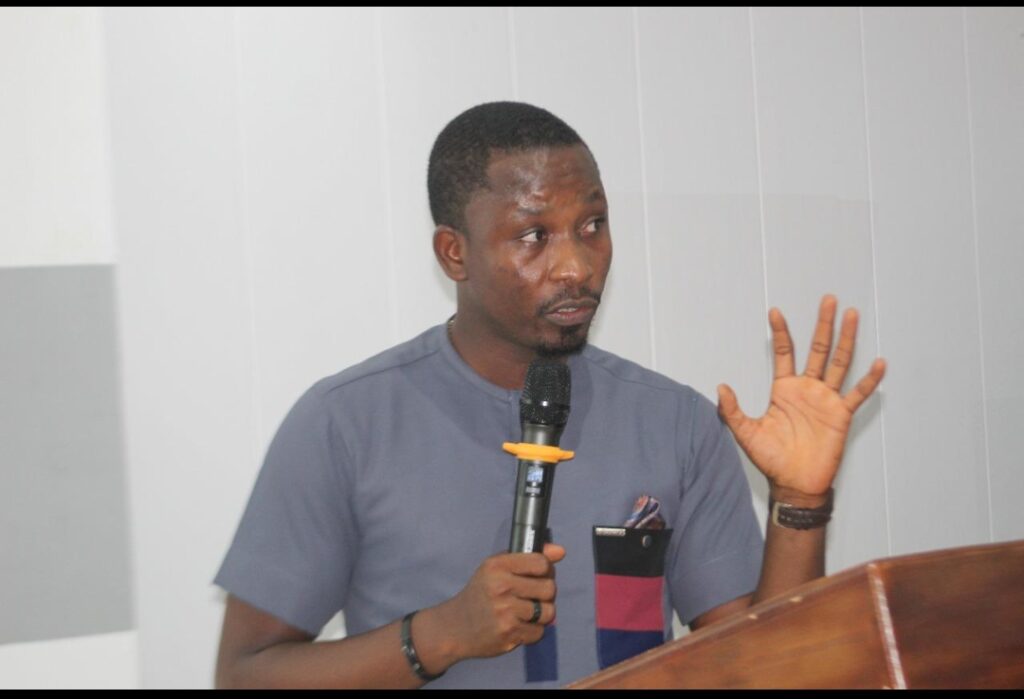
At the official launch in Monrovia, Assistant Minister for Research and Development Planning at the Ministry of Local Government, Hon. Emmanuel Wheinyue, described the report as “a critical tool” that will help guide policy reforms aimed at improving public service delivery nationwide.
He pledged the Ministry’s commitment to using the findings to strengthen inclusive and accountable local governance.Presenting the findings, CENTAL Project Lead C. Rogget Chea said the study confirms that decentralization efforts often fall short of citizens’ expectations.
He noted that while structures such as County Councils and County Service Centers are recognized, they continue to struggle with inadequate funding, limited transparency, and the exclusion of marginalized groups, including women, youth, and persons with disabilities.
The report shows that only 25 percent of respondents rated the County Service Centers as transparent, while just over a quarter found their services effective.
Respondents also reported moderate to very low involvement of women, youth, and persons with disabilities in local decision-making processes.Despite these gaps, the study highlights promising trends.
Advocacy and capacity-building efforts by civil society were rated strong by 69 percent of respondents, and awareness of civil society organizations reached 87 percent.
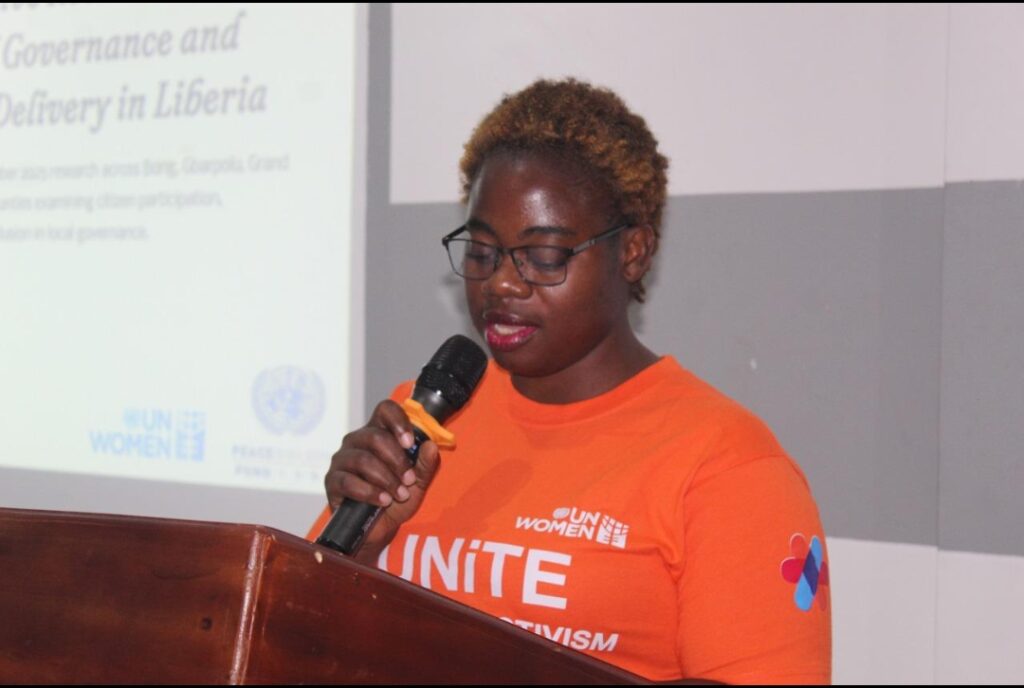
More than half of those surveyed said they had participated in meetings organized by CSOs, signaling growing citizen engagement.UN Women Liberia Program Officer, Leeneh Y. Kiamu, welcomed the findings and called for stronger collaboration among government, civil society, and community groups to advance decentralization, transparency, and gender-responsive governance.
The report recommending that there be increased capacity building on gender, decentralization, and good governance, expanded evidence-based advocacy by CSOs and community-based organizations, greater support and mentorship for women, youth, and persons with disabilities and further including a stronger partnerships between government and civil society and adequate financing for County Councils and County Service Centers.
The research is part of the project “Enhancing Citizens’ Participation in Local Governance,” funded by UN Women Liberia through the Peacebuilding Fund and jointly implemented by WONGOSOL and CENTAL.
According to the partners, the study represents an important step toward strengthening citizen voice, improving local service delivery, and advancing inclusive governance reforms across Liberia.
