
By Abraham K. Morris, Sr.
Liberia’s political memory is a fragile thing. One flattering speech, one nostalgic holiday, one sentimental Facebook post — and suddenly we’re polishing the statues of a leader whose records deserve interrogation, not incense.
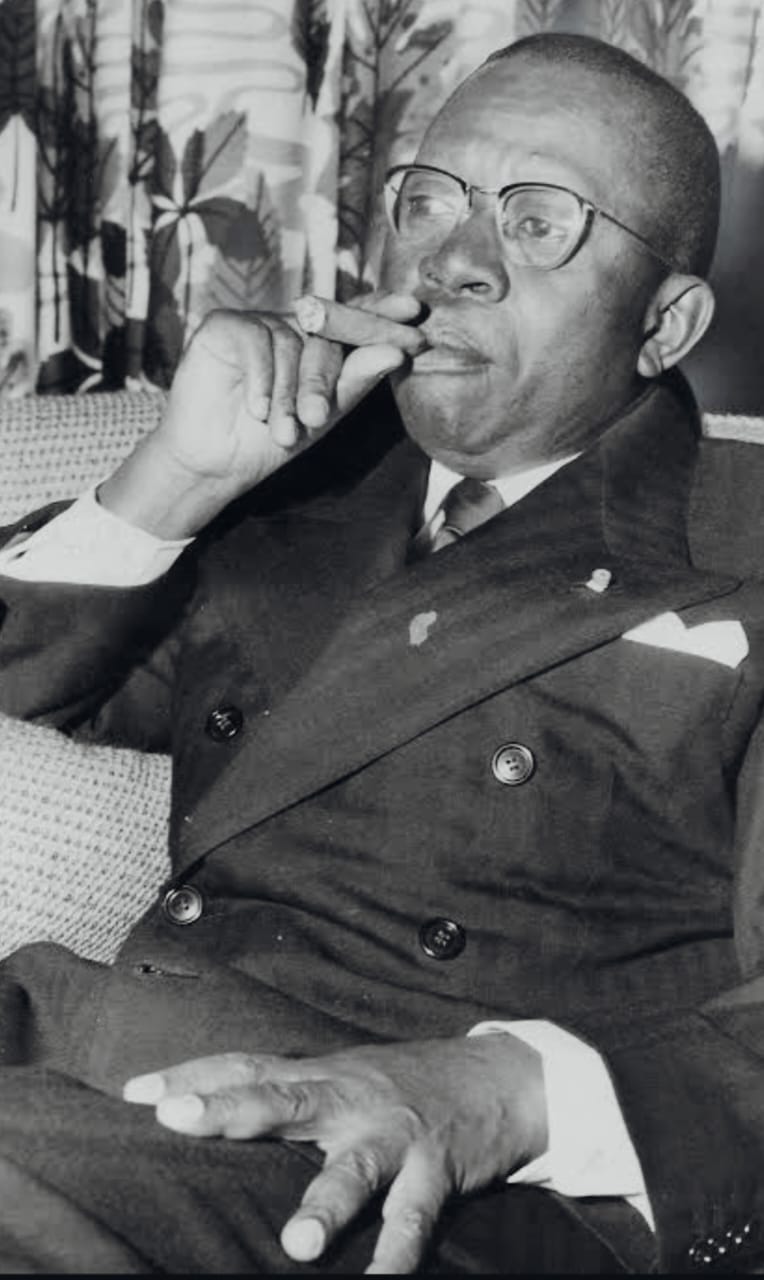
The growing chorus claiming William V. S. Tubman as “the Best President in Liberia’s history” is a prime example of how mythology can eclipse measured history.
And because political history is not a playground for national fantasy, the counter-narrative must carry equal weight, equal evidence, and far more honesty.
What follows is not a personal attack on Tubman. It is a sober, data-driven counter-assessment of the claims being made about his legacy — claims that collapse under deeper historical scrutiny. Liberia cannot aspire to renewal while clinging blindly to sentiment.
We must examine Tubman’s era as it was, not as we wish it to be.This reassessment challenges three central pillars of the pro-Tubman narrative: human development, infrastructure, and governance.
1. HUMAN RESOURCE DEVELOPMENTTubman expanded education — but under a tight, exclusionary architecture.Tubman undeniably built schools and modernized the University of Liberia. But the argument that he “launched Liberia’s investment in education” ignores the deeper structural reality.
Before Tubman, Liberia’s education system was intentionally stunted — designed to keep the indigenous majority politically and economically sidelined. Tubman expanded that system, yes, but he did not democratize it. Enrollment among indigenous Liberians remained dismally low, literacy barely improved, and whole counties remained without access to secondary education.
The expansion was also geographically skewed. Most investment clustered in Monrovia or in Tubman’s political strongholds. Rural Liberians remained isolated, under-educated, and chronically underprepared for participation in the formal economy.
And while universities produced graduates, the economy remained too narrow and patronage-driven to absorb them, ensuring that political loyalty — not merit — determined who advanced.Tubman advanced education, but he also preserved an unequal structure that privileged the few and excluded the many.
His reforms look modest when compared to contemporaries like Nkrumah or Senghor, who built national systems, not selective enclaves.
2. INFRASTRUCTURE Tubman built monuments — not a functioning national economy.Yes, the Executive Mansion, the Capitol, and the Temple of Justice rose under Tubman’s rule. But these structures, grand as they may be, were symbols of presidential prestige — not catalysts for broad economic transformation.
While ceremonial buildings multiplied, critical national systems stagnated. Industrialization never took off. Rural infrastructure remained skeletal. Electrification barely extended beyond small parts of Monrovia. Most of Liberia’s vast expanse remained physically and economically disconnected from the national capital.
By 1971, Liberia had paved fewer than 400 miles of road — a shockingly low figure after 27 years of unprecedented revenue from rubber, iron ore, maritime services, and foreign concessions. Meanwhile, countries with fewer natural advantages — Ivory Coast, Senegal, Ghana — built integrated road networks and diversified economic infrastructure.
Tubman did not fail to build; he failed to prioritize. His infrastructure concentrated benefits among elites and his home region, leaving the majority of Liberians untouched.
Today’s infrastructural deficits are not an accident of history — they are the direct inheritance of his governing philosophy.
3. GOVERNANCE & POLICYTubman’s model created institutional brittleness that outlived him.Nowhere do the pro-Tubman claims strain more than in discussions of governance.
His famed Open Door Policy undoubtedly attracted investors — but under terms that left Liberia dependent, vulnerable, and economically shallow. Vast landholdings passed into the hands of foreign companies. Royalties and concessions overwhelmingly favored investors. Manufacturing remained negligible, and diversification never materialized.
Liberia looked prosperous on paper, but this was a boom built on extraction, not development. When global commodity prices dropped in the 1970s, Liberia had nothing stable to stand on.
Tubman’s celebrated Unification Policy also melts under scrutiny. Granting indigenous Liberians political access and women the right to vote were important steps — but the True Whig Party’s monopoly remained firmly intact. Participation was controlled, dissent was suppressed, and political access functioned as patronage rather than empowerment.
Unification became a tool of social control rather than a vehicle for structural reform.The most damaging legacy, however, came from Tubman’s dismantling of democratic norms. He abolished term limits, centralized power, and built a political system that revolved entirely around the presidency.
The institutions that should have balanced him were weakened to the point of fragility. When he died, Liberia was held together by personality, not principle — a nation waiting for collapse.The tragedies that followed — from the Rice Riot to the 1980 coup to the civil wars — were not sudden eruptions.
They were the eventual consequences of a system meticulously constructed over nearly three decades of one-man rule.
CONCLUSIONA balanced assessment collapses the myth — not the man.Tubman undeniably contributed to Liberia’s development, but his legacy cannot survive the weight of uncritical hero worship.
He expanded education, but selectively. He built infrastructure, but without strategy. He welcomed investment, but at the cost of sovereignty and diversification.
He pursued unity, but without redistribution of power. He kept peace, but through suppression rather than institutional strength.
And above all, he personalized the state instead of institutionalizing a republic.Calling Tubman Liberia’s “best president” ignores the complexity of his record and the long-term consequences of his governance model.
Patriotism demands honesty — not mythmaking.Liberia will only move forward when it stops venerating its leaders uncritically and starts learning from their failures as well as their accomplishments. Only then can we craft a future anchored not in nostalgia, but in clarity and purpose.
