
By: Julius Konton
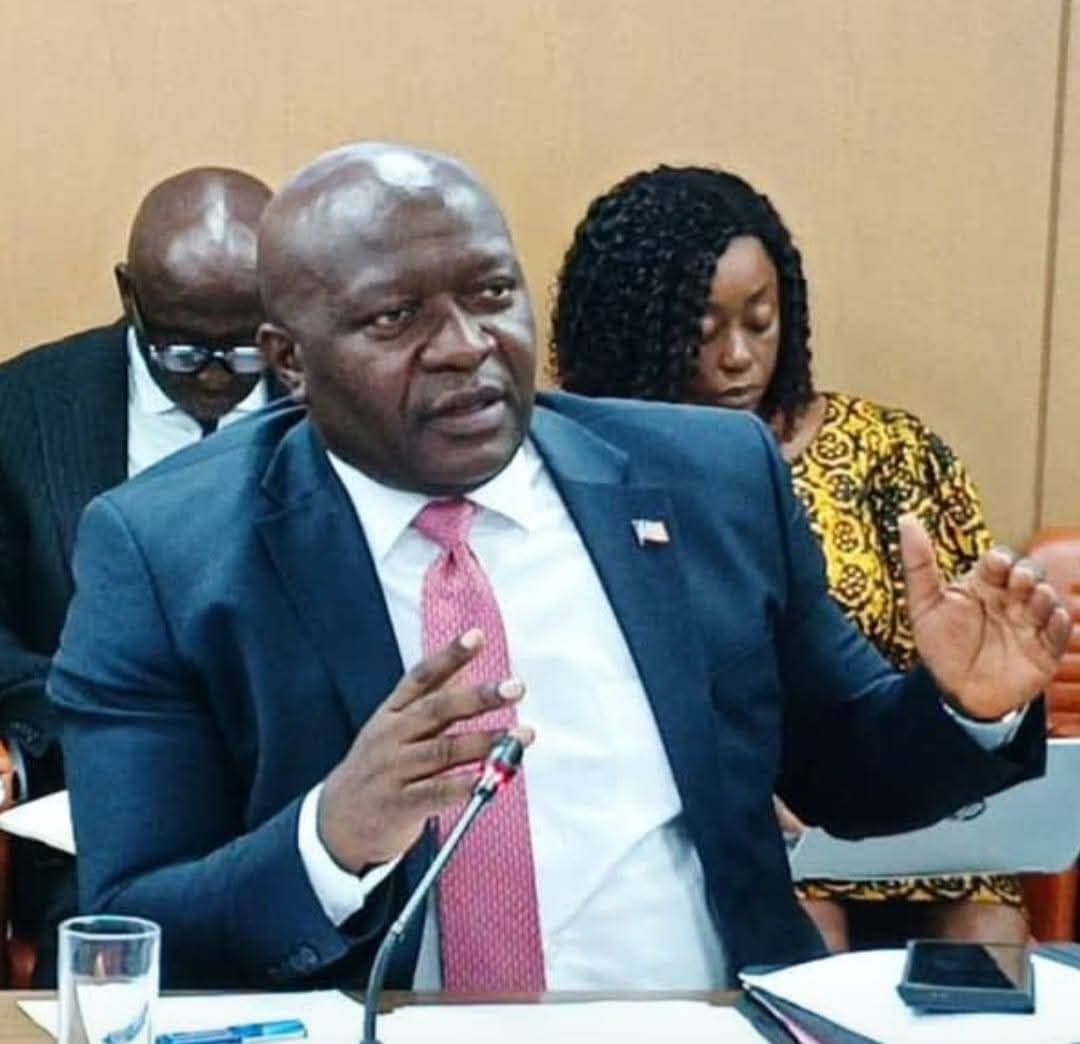
At the invitation of Sidi Ould Tah, Liberia’s Minister of Finance and Development Planning, Augustine Kpehe Ngafuan II, participated in a high-level Strategic Ministerial Dialogue on Debt Sustainability convened at the headquarters of the African Development Bank in Abidjan.
The dialogue brought together finance ministers, central bank governors, and development partners from across Africa to confront one of the continent’s most pressing economic challenges: the rising burden of public debt and its implications for long-term development.
Africa’s Mounting Debt Burden
Africa’s total public debt has surged significantly over the past decade, with estimates from the International Monetary Fund and the World Bank placing the continent’s combined debt stock at close to $1 trillion in recent years.
More than 20 African countries are currently at high risk of debt distress, while several others are already experiencing severe repayment challenges.
For many economies, including Liberia, debt levels rose sharply due to external shocks such as the COVID-19 pandemic, global inflation, and tightening financial conditions.
These pressures have reduced fiscal space, limiting governments’ ability to invest in critical sectors such as infrastructure, healthcare, and education.
Purpose of the Dialogue
The AfDB-hosted ministerial dialogue aimed to explore sustainable pathways for managing debt while maintaining economic growth.
Key discussions focused on:
Strengthening domestic revenue mobilization
Enhancing transparency in public borrowing
Expanding access to concessional financing
Promoting debt restructuring frameworks
Leveraging private sector investment
Participants also emphasized the importance of coordinated international support and innovative financial instruments to help African economies navigate debt vulnerabilities.
Liberia’s Strategic Engagement
Minister Ngafuan’s participation signals Liberia’s commitment to proactive economic management and regional cooperation.
Liberia, like many post-conflict economies, has made notable progress in stabilizing its macroeconomic environment since benefiting from debt relief initiatives such as the Heavily Indebted Poor Countries (HIPC) Initiative in the late 2000s.
However, recent global shocks have once again heightened fiscal pressures. Liberia’s public debt is estimated to be over 50% of GDP, reflecting a growing need for prudent fiscal policies and sustainable borrowing practices.
By engaging in this high-level forum, Liberia aims to align its national debt strategy with broader continental frameworks while attracting investment and safeguarding economic resilience.
AfDB’s Role in Africa’s Economic Future
Under the leadership of President Sidi Ould Tah, the African Development Bank continues to play a central role in financing development across the continent.
The institution has committed billions of dollars annually toward infrastructure, energy, agriculture, and governance reforms.
The Abidjan dialogue forms part of AfDB’s broader effort to support African countries in achieving sustainable development while mitigating financial risks.
As global economic uncertainties persist, African policymakers face the delicate balance of financing development without exacerbating debt vulnerabilities.
The outcomes of the Abidjan dialogue are expected to inform policy decisions at both national and continental levels, including future engagements with multilateral lenders and international financial institutions.
For Liberia, participation in such strategic discussions reinforces its position within Africa’s evolving economic landscape and highlights its commitment to responsible fiscal governance.
