
By: Julius Konton
Liberia is positioning itself for a transformative shift in its diamond sector, as the country explores a transition from artisanal mining to industrial-scale production following the conclusion of a high-level review mission by the Kimberley Process Certification Scheme (KPCS).
The development comes amid growing investor interest, highlighted by a formal presentation from the Youssef Diamond Mining Company (YDMC), which is seeking a Mineral Development Agreement (MDA) to commence large-scale diamond mining operations in the West African nation.
Investor Signals Confidence in Liberia’s Diamond Potential
During the final phase of the Kimberley Process (KP) Review Visit, YDMC outlined its technical readiness and long-term vision for industrial diamond extraction in Liberia.
Represented by Consulting Geologist and Qualified Person, Stephen Baysah Dorbor, the company emphasized its advanced geotechnical capabilities and decades of expertise.
According to the firm, its more than 30 years of experience particularly in kimberlite pipe and dike detection positions it as a frontrunner in Liberia’s diamond exploration landscape.
YDMC also claimed that its data-driven exploration techniques significantly enhance the probability of successful diamond recovery, a critical factor in attracting industrial investment.
Industry analysts note that Liberia’s untapped diamond reserves, particularly in kimberlite formations, could significantly boost national revenues if properly developed under transparent and compliant systems.
KP Review Team Backs Liberia’s Transition Ambitions
Members of the KP Review Team welcomed the presentation, expressing optimism about Liberia’s ambition to modernize its diamond industry.
The delegation encouraged the country’s efforts to move beyond small-scale, artisanal mining toward regulated industrial production.
Currently, Liberia’s diamond mining sector is dominated by Class ‘C’ licenses, which are reserved exclusively for Liberian nationals and largely support artisanal and small-scale mining operations.
While this framework promotes local participation, it has historically limited large-scale capital investment and technological advancement.
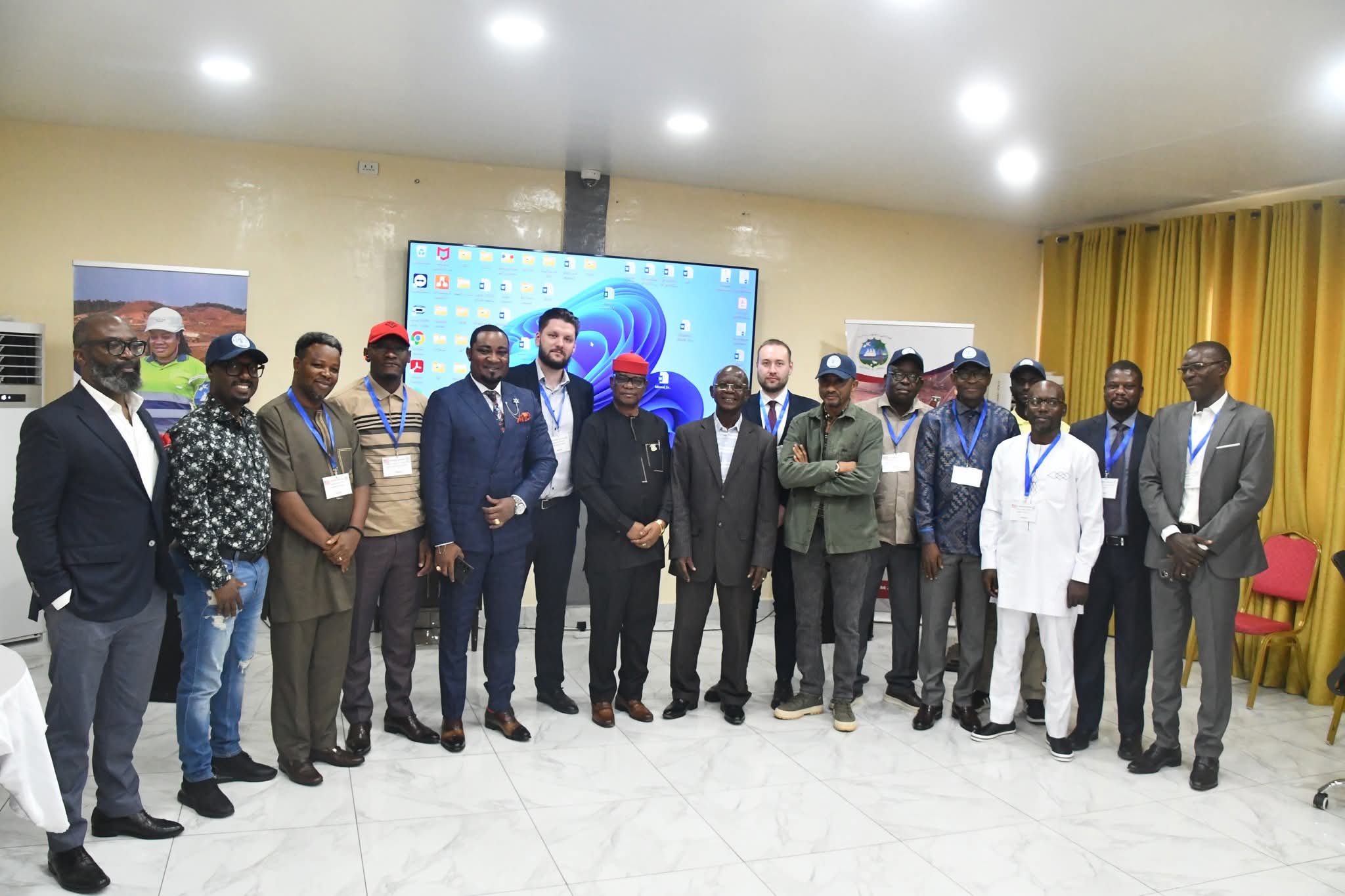
The KP mission comprising 14 international experts and led by Alexander Novikov conducted a week-long assessment that included stakeholder consultations, technical reviews, and field inspections, notably at Lofa Bridge, a key diamond-producing region.
Government Reaffirms Commitment to Global Standards
Liberia’s Minister of Mines and Energy, R. Matenokay Tingban, praised the KP delegation for its engagement and reaffirmed the government’s commitment to international best practices.
“We will continue to ensure that Liberia remains a compliant and credible diamond trading nation under the Kimberley Process framework,” Minister Tingban stated.
He also commended his ministry’s technical teams for successfully coordinating the review visit, describing it as a critical step toward strengthening governance in the mineral sector.
Strengthening Oversight and Institutional Coordination
The review mission highlighted the coordinated role of Liberia’s key regulatory bodies, including the Office of Precious Minerals (OPM), led by Director Rebecca K. Fallah, which played a central role in organizing and facilitating the visit.
Other critical institutions involved included:
The Bureau of Mines, responsible for issuing mining licenses
The Inspectorate Division, which enforces compliance and monitors operations
These agencies were represented by senior officials such as Director of Mines Alwell Aloysius Carr and Deputy Inspector-General for Mines Adolphus M.G.D. Gleekia, who participated in field inspections alongside the KP team.
With the conclusion of the review, attention now turns to the KP team’s formal recommendations, which will be submitted to Liberia’s Ministry of Mines and Energy.
These findings are expected to influence policy direction, regulatory reforms, and investor confidence in the country’s diamond sector.
Experts suggest that a favorable review could accelerate Liberia’s transition into a competitive player in the global diamond market.potentially increasing export revenues, formalizing the mining sector, and creating employment opportunities.
A Sector at a Turning Point
Liberia’s diamond industry, once constrained by post-conflict challenges and governance issues, now stands at a pivotal moment.
The convergence of regulatory oversight, international cooperation, and private sector investment could redefine the sector’s future.
As the country balances economic ambition with compliance and transparency, the success of this transition will depend on how effectively Liberia integrates industrial mining with community interests and sustainable development goals.
