
By: Julius Konton
In a significant milestone for Liberia’s ongoing public sector reform agenda, three senior officials from the Ministry of Finance and Development Planning (MFDP) have been recognized for their exceptional contributions to advancing digital public financial management (PFM) systems across Africa.
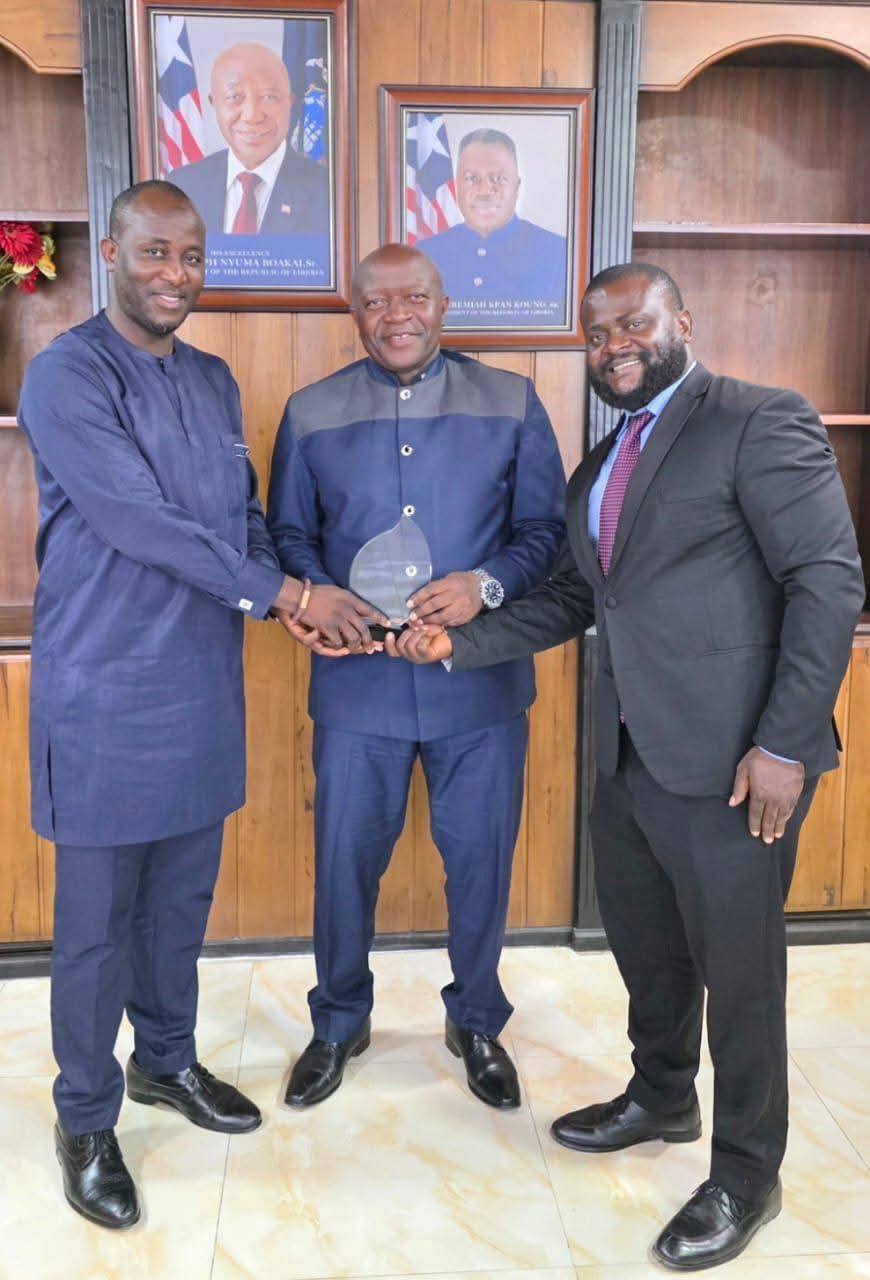
The honorees, P. Akoi Thompson, Sedekie Kamara, and Robert Gaye received continental recognition following their participation in the Digital PFM Reform in Africa Peer Learning Exchange (PLE) organized by the Collaborative Africa Budget Reform Initiative.
The high-level workshop was held from March 9–10, 2026, in Kigali, widely regarded as one of Africa’s leading hubs for digital governance innovation.
A Continental Platform for Reform and Innovation
The Kigali forum convened over 100 public finance practitioners, policymakers, and reform experts from more than 20 African countries, reflecting the growing urgency of modernizing financial governance systems across the continent.
Discussions focused on leveraging digital technologies to improve fiscal discipline, enhance transparency, and strengthen accountability in public resource management. Key tools highlighted included:
Integrated Financial Management Information Systems (IFMIS)
E-procurement platforms
Digital tax administration systems
According to regional estimates from African financial governance bodies, countries that have fully implemented IFMIS have seen up to a 30% reduction in public expenditure leakages and significant improvements in budget execution rates, underscoring the transformative potential of digital PFM reforms.
Liberia’s Growing Role in Africa’s Digital Transformation Agenda
The Liberian delegation featured:
P. Akoi Thompson, Director of Payroll Coordination and Tracking
Sedekie Kamara, Assistant Director, Public Investment Unit
Robert Gaye, Assistant Director for Monitoring and Evaluation
Their active engagement and technical contributions at the workshop positioned Liberia as an emerging voice in Africa’s digital financial governance landscape.
Liberia’s participation reflects a broader national commitment to reform. Historically, the country has undertaken major public financial management overhauls since the post-conflict reconstruction period of the early 2000s.
With support from international partners, Liberia introduced its IFMIS platform in 2009, marking a turning point in efforts to curb corruption and improve fiscal transparency.
Today, the government continues to expand digital tools in revenue collection and expenditure tracking, aligning reforms with its Pro-Poor Agenda for Prosperity and Development (PAPD) and long-term economic recovery strategies.
Peer Learning Model Drives Practical Solutions
A defining feature of the workshop was its peer-learning exchange model, which encouraged open dialogue and real-time problem-solving among participating countries, including Rwanda, Kenya, and Liberia.
Delegates shared case studies demonstrating measurable progress, including:
Enhanced procurement transparency through e-platforms
Increased domestic revenue mobilization via digital tax systems
Improved monitoring of public investments
At the same time, participants confronted persistent challenges such as:
System interoperability gaps
Cybersecurity vulnerabilities
Limited technical and institutional capacity
Experts emphasized that addressing these constraints will require sustained investment, policy alignment, and cross-border collaboration.
Beyond Technology: Building Trust Through Transparency
Speakers at the forum underscored that digital PFM reforms are not merely technological upgrades but foundational tools for strengthening democratic governance.
“Digital systems are essential for restoring public confidence in government institutions,” one policy expert noted during the sessions. “Transparency and accountability are no longer optional,.they are central to sustainable development.”
Across Africa, where public financial mismanagement has historically hindered development, digital reforms are increasingly viewed as critical to achieving inclusive growth, fiscal sustainability, and good governance.
Liberia’s Reform Momentum
The recognition of the MFDP staff signals Liberia’s steady progress in aligning with continental best practices in public financial management.
Analysts note that continued investment in digital systems could significantly improve Liberia’s fiscal performance, especially in areas such as:
Payroll integrity and expenditure control
Public investment tracking
Domestic revenue mobilization
As African nations accelerate their digital transformation journeys, Liberia’s growing participation in high-level policy forums such as CABRI’s PLE highlights its commitment to reform and regional collaboration.
The Kigali workshop not only celebrated innovation but also reinforced a shared vision for a digitally empowered Africa.
For Liberia, the recognition of its finance ministry officials marks both an achievement and a call to deepen reforms that will shape the country’s economic future.
