


By Julius Konton | Special Commentary
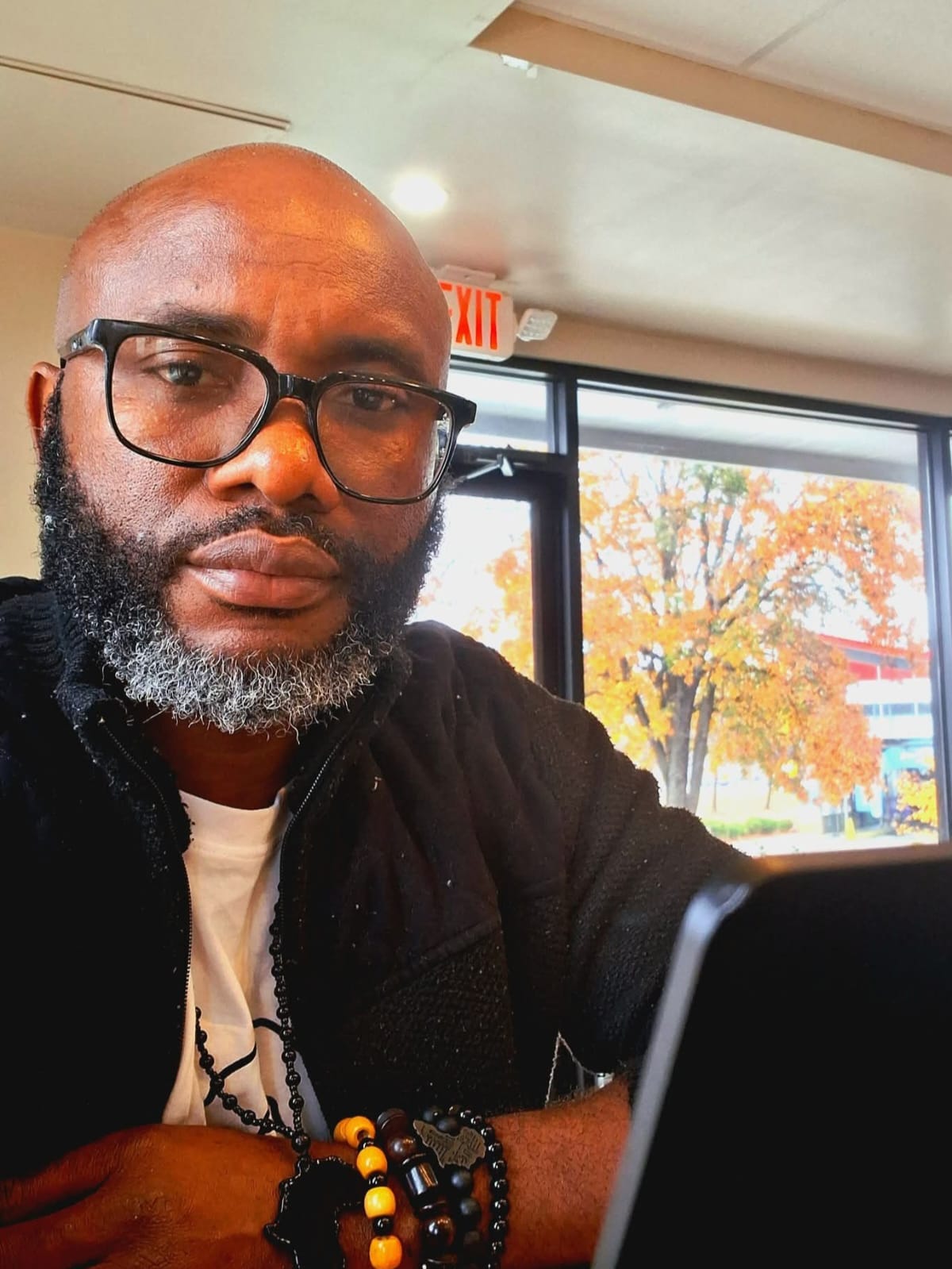
A storm of political controversy is sweeping across Liberia’s public discourse as U.S.-based Liberian youth advocate Tennie Jallah delivers one of the strongest criticisms yet against President Joseph Nyuma Boakai’s leadership, accusing the administration of “governing in reverse” while demanding that young Liberians withdraw their energy from what he calls misplaced national priorities.
Jallah known among diaspora communities for his blunt civic advocacy argues that the President’s widely celebrated slogan, “Think Liberia, Love Liberia, Build Liberia,” has collapsed under the weight of governance practices that directly contradict its spirit.
“Liberia is not the land; Liberia is the people,” Jallah said. “And today, the people are suffering while political elites consolidate comfort.”
A Slogan in Crisis: ‘The Reality on the Ground Is a Betrayal’
When President Boakai assumed office, expectations soared. Many believed Liberia was entering a new era of humility, reform, and accountability. But according to Jallah, nearly three years later, the country’s socio-economic landscape tells a starkly different story.
He argues that the essence of the slogan has been lost:
Thinking Liberia, he says, requires acknowledging the daily suffering of ordinary citizens.
Loving Liberia must mean prioritizing the people above political privilege.
Building Liberia demands investing in human capital not “luxury travels, entertainment budgets, or political infrastructure.”
“Today, the government claims to be building Liberia while the foundation of the nation the people is cracking, sinking, and ignored,” Jallah lamented.
Budget Controversy: ‘When a Government Funds Comfort Over Citizens, It Loses Its Moral Authority’
At the center of Jallah’s criticism is the 2026 National Budget, projected at US$1.2 billion, which he argues exposes Liberia’s disturbing governance priorities.
Key Allocations Causing Public Outrage
US$6,830,237 for Legislative Committees
US$748,002 for Entertainment, Representation, and Gifts
Meanwhile, critical national sectors remain in disrepair:
The University of Liberia (UL) remains structurally and academically underfunded.
An estimated 35,000 graduates enter a job market that creates fewer than 6,000 sustainable jobs per year.
73% of Liberian teachers lack adequate training materials.
Hospitals across the country report chronic shortages of essential drugs.
Rural communities remain chronically isolated from healthcare, modern transportation, and economic opportunity.
Liberian-owned businesses hold less than 10% of the domestic credit market, one of the lowest percentages in Africa.
“These numbers are not statistics; they are symptoms of a nation being governed backwards,” Jallah asserted.
“How does a government prioritize constructing a party headquarters while its flagship university crumbles?”
The Youth Are Watching And They See Everything
Jallah warns that Liberian youth who make up over 65% of the population are increasingly impatient with governance that appears to prioritize political survival over national transformation.
“Liberian young people are not fools,” he said. “They see the double standards. They understand the political games. And they know when leadership is choosing comfort over country.”
His strongest message was a challenge:
“Will young Liberians fund the ruling party’s new headquarters or demand investments in the University of Liberia, job creation, and healthcare?”
He pressed young citizens to reflect on one fundamental question:
Which builds a nation more political offices or stronger education, innovation, and opportunities?
According to him, Youth Empowerment Is Not Optional, ‘It Is the Engine of National Growth’
Economic data from the World Bank shows that countries that heavily invest in youth empowerment gain:
5–12% GDP growth over a decade
Reduced unemployment and crime
Lower dependency on foreign aid
Higher innovation output
But Jallah notes that Liberia remains stuck in the opposite trajectory.
He argues that redirecting even a fraction of political comfort spending could revolutionize the nation:
If reallocated, funds could support:
Technical and vocational training programs
Startup capital for young entrepreneurs
Modern, well-equipped school facilities
Agriculture cooperatives for rural youth
Health outreach in underserved counties
Technology and innovation hubs
“This is what real nation-building looks like not ribbon-cuttings at political party buildings,” Jallah said.
‘This Is Not Governance, This Is Another Looting Mission’
In one of his most scathing remarks, Jallah accused the Boakai administration of drifting toward the same governance patterns Liberians have long rejected:
Excessive foreign travel
Budget lines that benefit political elites
Underinvestment in public institutions
A political culture that prioritizes infrastructure for parties rather than citizens
“Liberia does not need more political monuments. Liberia needs functioning systems, opportunities, and protection for its people.”
Jallah issued a call for peaceful, symbolic resistance.
He said youth must stand for:
Jobs before political offices
Education before entertainment budgets
Medicine before legislative comfort
Universities before party buildings
“This is not rebellion,” he emphasized.
“This is responsibility. This is patriotism. This is what it means to truly Think Liberia, Love Liberia, and Build Liberia.”
‘Build Liberia by Building Its People’
Jallah’s message ends with a national challenge:
Liberia will not be saved by slogans.
It will be saved by investments in people not politics.
“Building a party headquarters is not building Liberia,” he concluded.
“Building the Liberian people is.
Tomorrow, let your absence be your voice.
Let your courage be your contribution.
And let this moment mark the beginning of a new political consciousness, one where Liberia finally chooses its people over its politicians.”


