



By : Julius Konton
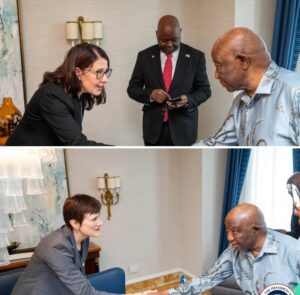
Liberia has begun a new phase of strategic engagement aimed at strengthening its domestic revenue systems, particularly within the country’s lucrative mining sector, as a joint delegation from the Korean Knowledge Sharing Program (KSP) and the African Development Bank (AfDB) opened high-level consultations with the Ministry of Mines and Energy.
The discussions, held in Monrovia, form part of Phase One of the 2025–2026 KSP–AfDB Joint Consulting Project, an initiative designed to help Liberia improve domestic resource mobilization through data-driven policy reforms, stronger institutional coordination, and modernized fiscal systems.
Government officials say the engagement reflects Liberia’s growing recognition that efficient revenue collection from natural resources is essential for fiscal stability and long-term economic growth, particularly as the country continues to rely heavily on external financing and development assistance.
Mining Sector Central to Liberia’s Revenue Strategy
Liberia’s mining industry remains one of the pillars of the national economy.
The sector includes large-scale iron ore operations, gold mining, and diamond extraction, alongside dozens of exploration and artisanal licenses issued across the country.
According to government and international financial reports, mining contributes roughly 10–15 percent of Liberia’s Gross Domestic Product (GDP) and accounts for a significant portion of export earnings.
However, experts have long argued that the country has yet to fully capture the potential fiscal benefits from its natural resources.
Over the past decade, Liberia has attracted major mining investments from multinational corporations operating in iron ore-rich regions such as Nimba, Bong, and Grand Bassa Counties.
Yet revenue collection challenges including weak compliance systems, regulatory gaps, and limited digital integration across institutions have constrained the government’s ability to maximize income from the sector.
During the meeting, officials from the Ministry of Mines and Energy provided a comprehensive overview of the fiscal framework governing mining revenues, including royalties, administrative charges, surface rental payments, licensing fees, and other regulatory payments made by concession holders and exploration companies.
The visiting delegation also requested detailed data on mining-related fiscal revenues collected over the past five years, which will feed into a broader analytical assessment of Liberia’s revenue performance and institutional capacity.
International Expertise for Evidence-Based Reforms
The Korean Knowledge Sharing Program, widely regarded as one of Asia’s leading policy-exchange initiatives, works with developing countries to transfer development experience and governance best practices drawn from South Korea’s own economic transformation.
Together with the African Development Bank, the program aims to assist Liberia in identifying structural weaknesses in its revenue mobilization systems and recommending reforms that could improve tax compliance, transparency, and fiscal efficiency.
Analysts involved in the project say the study will examine several key areas, including:
Institutional coordination among revenue-collecting agencies
Digital integration of licensing and fiscal monitoring systems
Policy and regulatory gaps affecting mining taxation
Best practices in resource revenue management across Africa
The nine-month project will include consultations with multiple government entities, including the Liberia Revenue Authority (LRA), the Ministry of Finance and Development Planning, and regulatory agencies overseeing concessions and investment agreements.
Digital Systems and Transparency Efforts
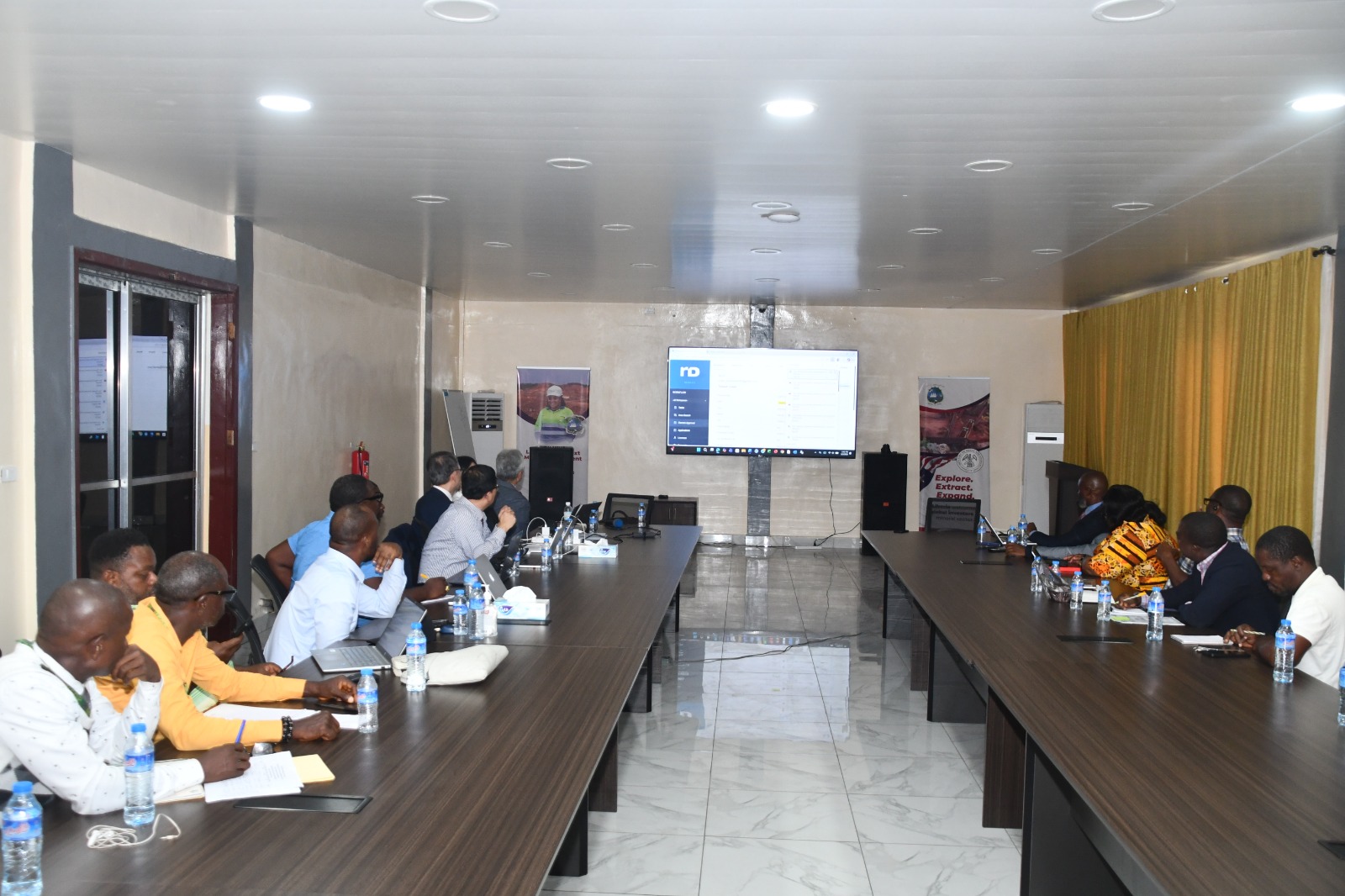
A central focus of the discussions was the digital transformation of Liberia’s mining governance systems.
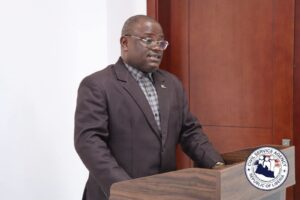
Director of Mining Cadastre Cooper Voker Pency, representing the Ministry of Mines and Energy, delivered a detailed presentation highlighting the ministry’s online licensing repository and digital cadastre platform, which tracks mineral rights, exploration permits, and concession agreements.
According to Pency, the digital platform has significantly improved the management of mining licenses by enabling real-time data access, improving record-keeping, and strengthening coordination between regulatory agencies and revenue authorities.
He emphasized that digital transparency tools are essential to combating corruption and improving accountability in resource management, a concern that has historically plagued resource-rich developing economies.
“Modern digital platforms allow government institutions to monitor licensing activities, revenue flows, and compliance more efficiently while ensuring transparency for investors and citizens,” Pency noted during the presentation.
Government Officials Outline Policy and Institutional Framework
Senior officials of the Ministry of Mines and Energy also provided insights into Liberia’s broader mining governance framework.
Deputy Minister for Administration Eudora Blay-Pritchard highlighted ongoing administrative reforms aimed at strengthening institutional capacity within the ministry, while Deputy Minister for Planning, Research and Development Franceth B. Mulbah emphasized the importance of data-driven policy planning for sustainable resource management.
Director for Concessions and Economic Forecast Thomas E. Cox outlined the ministry’s role in policy coordination, sector planning, and oversight of concession agreements, which form the backbone of Liberia’s mining investment regime.
Cox stressed that stronger collaboration between regulatory bodies and fiscal authorities would be crucial in ensuring that mining concessions translate into tangible economic benefits for the country.
A Longstanding Challenge in Resource-Rich Economies
Liberia’s efforts to strengthen domestic resource mobilization mirror broader trends across Africa, where governments are increasingly seeking to maximize revenue from natural resources.
According to the African Development Bank, African countries lose billions of dollars annually due to weak tax administration systems, illicit financial flows, and poorly negotiated resource contracts.
In Liberia, reforms aimed at improving mining governance have intensified since the end of the country’s civil war in 2003.
Initiatives such as the Extractive Industries Transparency Initiative (EITI) and the creation of the Liberia Revenue Authority in 2014 have sought to improve accountability in resource revenue management.
Yet fiscal experts note that gaps remain in monitoring production volumes, tracking revenue flows, and coordinating institutional responsibilities.
The KSP–AfDB Joint Consulting Project is expected to deliver policy recommendations by early 2026, offering a roadmap for strengthening Liberia’s domestic revenue systems through improved technology, regulatory reforms, and institutional coordination.
If implemented effectively, analysts say the reforms could significantly increase Liberia’s ability to capture and manage revenues from its natural resources, reducing reliance on external aid and strengthening national development financing.
For Liberia, a country rich in mineral wealth yet still grappling with fiscal constraints, the success of these reforms could determine whether its natural resources become a stronger engine for economic transformation.


