
By: Julius Konton
In a renewed push to curb Liberia’s persistently high maternal mortality rate, a Boston-based medical collaboration has trained 30 anesthesia providers in advanced obstetrical anesthesia, strengthening the country’s capacity to deliver safer childbirth services.
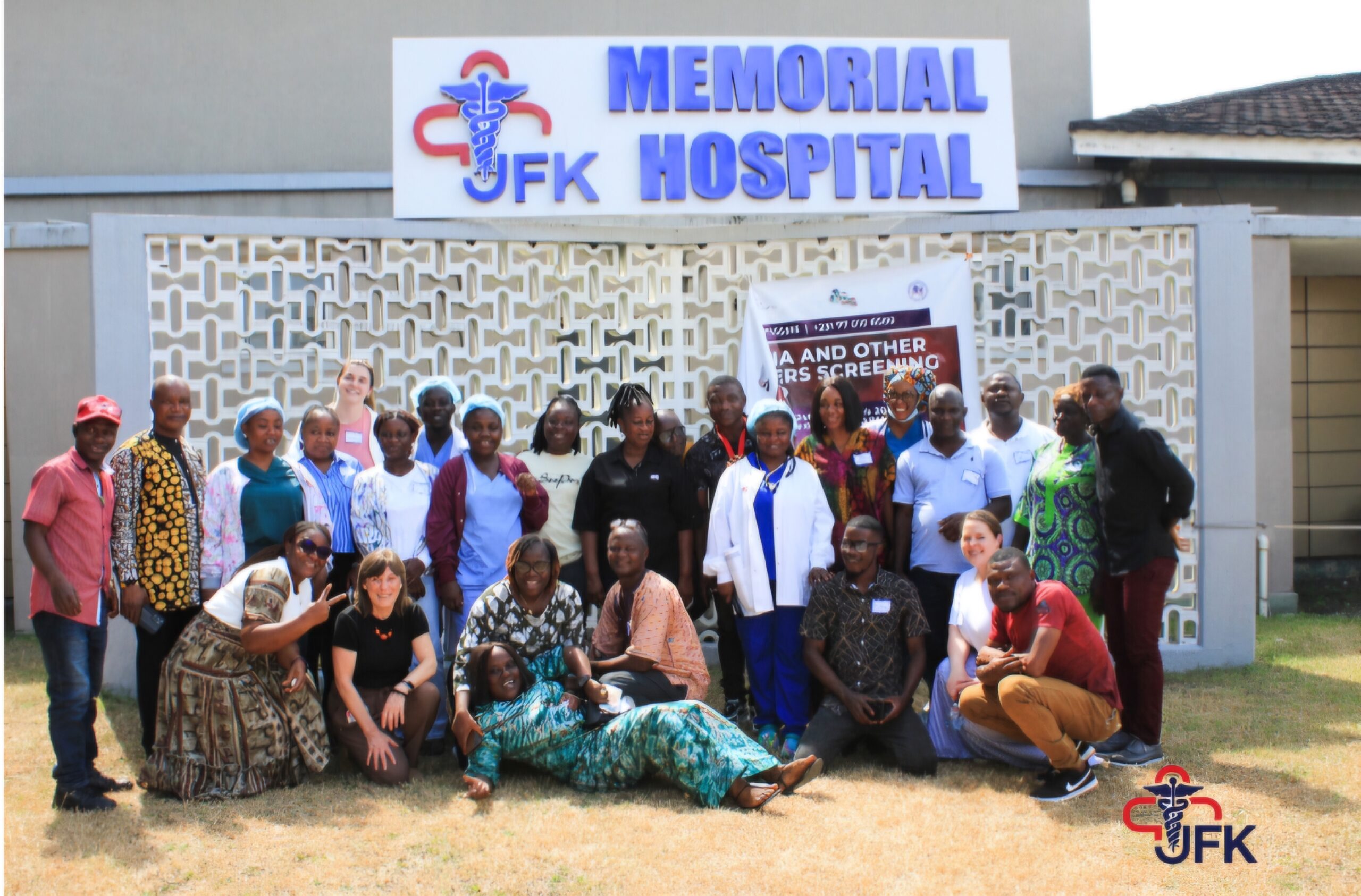
The intensive training was conducted Tuesday at John F. Kennedy Medical Center by the Boston-Africa Anesthesia and Critical Care Collaborative, a long-standing partner in Liberia’s health sector.
The initiative forms part of broader efforts to improve maternal health outcomes in a country where complications during pregnancy and childbirth remain among the leading causes of death for women of reproductive age.
According to international health estimates, Liberia continues to face significant shortages of skilled anesthesia providers an essential component of safe obstetric and surgical care.
Strengthening a Critical Gap in Maternal Care
For several years, the Boston-based team has worked closely with Liberian institutions to build sustainable anesthesia services nationwide, focusing on both pre-licensure students and licensed practitioners.
The collaboration brings together John F. Kennedy Medical Center, Phebe Esther Bacon College of Health Sciences, and the Liberia Nurse Anesthesia Association.
Speaking during the training, Eileen Stuart-Snor, head of the Boston team, traced the partnership’s roots to 2015, when she first came to Liberia under the Global Health Service Partnership.
Although that initial program ended in 2017, she noted that both sides were determined to sustain the collaboration under a new framework.
“Since then, we have continued supporting anesthesia education through in-person mentorship and virtual supplementary training,” Stuart-Snor said, underscoring the importance of long-term engagement rather than short-term interventions.
Hands-On Training for High-Risk Obstetric Care
Tuesday’s program focused on the unique physiological changes in obstetric patients and the anesthesia options available for cesarean deliveries, including labor epidurals, spinal anesthesia, and general anesthesia.
Participants also received practical instruction on the safe use of labor epidurals and the management of common obstetric emergencies such as hemorrhage and anesthesia-related complications.
A key feature of the program is its train-the-trainer model, designed to multiply impact across the health system.
Under this approach, at least one senior nurse anesthetist, preceptor, or clinical educator at each training site is equipped with the skills needed to mentor colleagues and future trainees.
“This model ensures sustainability,” Stuart-Snor emphasized. “When local providers are empowered to teach others, the benefits extend far beyond a single training session.”
Peer Learning and Practical Problem-Solving
The sessions were highly interactive, with participants encouraged to present real-life cases and share problem-solving strategies drawn from their clinical experience.
This peer-learning approach helped bridge theory and practice, enabling anesthetists to adapt international best practices to Liberia’s resource-constrained settings.
By the end of the training, all 30 participants were certified to safely administer anesthesia to obstetrical patients and to respond effectively to emergencies skills considered vital for reducing preventable maternal deaths.
National Impact and Institutional Support
Ama A. A. Taplah, Theater Manager at John F. Kennedy Medical Center and Program Coordinator for the TNIMA Anesthesia Program, welcomed the initiative, describing it as a major boost to patient safety.
“This training will significantly enhance the quality of care we provide to mothers,” Taplah said, adding that it directly supports the goals of the Liberia Ministry of Health to reduce maternal mortality nationwide.
A Continuing Commitment
The Boston team led by Eileen Stuart-Snor and comprising Annie Horgan, CRNA, and Annie Haney, CRNA reaffirmed its commitment to advancing anesthesia education and strengthening maternal healthcare outcomes across Liberia.
As Liberia continues to rebuild and modernize its health system, partnerships such as this highlight the role of sustained international collaboration, specialized training, and local capacity-building in addressing one of the country’s most pressing public health challenges.
