
By Laymah Kollie
The Liberian Senate has announced plans to review the controversial salary harmonization policy implemented during the administration of former President George Manneh Weah, a move that could reopen national debate over public sector pay cuts that affected thousands of civil servants.
The salary harmonization exercise, carried out in August 2019 under the Weah-led government, impacted an estimated 10,000 civil servants across various ministries, agencies, and commissions.
The policy formed part of broader public financial management reforms intended to address wage disparities within government.
At the time, former Minister of Finance and Development Planning Samuel D. Tweah Jr. explained that the initiative aimed to reduce the salaries of employees considered overpaid while increasing wages for approximately 15,000 underpaid civil servants.
According to the ministry, the objective was to promote fairness, transparency, and fiscal sustainability in the public sector wage bill.
However, the policy’s implementation triggered widespread public outcry, particularly from low-income civil servants who reported significant salary reductions.
Labor unions and civil society organizations criticized the process, arguing that it disproportionately affected junior staff and was carried out without adequate consultation or safeguards for vulnerable workers.
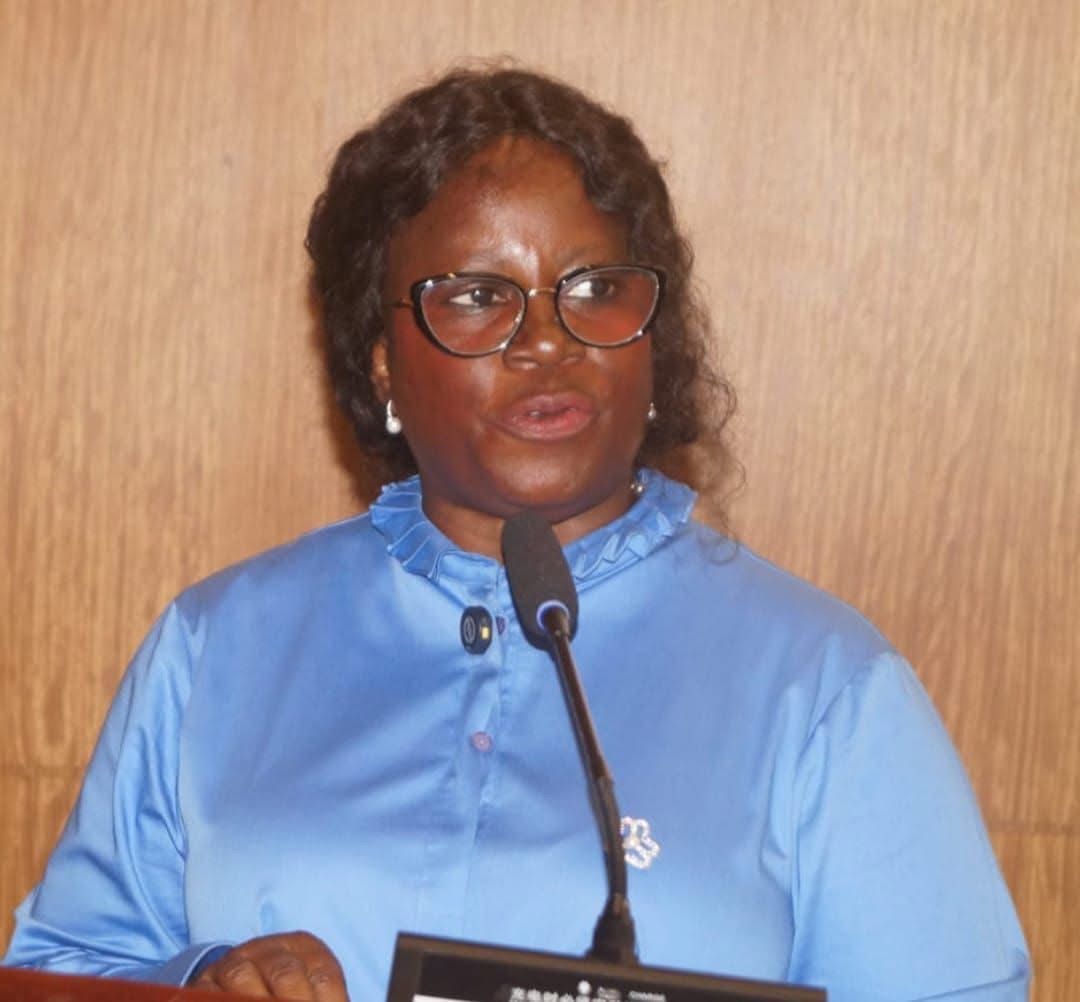
Addressing lawmakers during the opening of the First Session of the 55th Legislature on Monday, January 12, 2026, Senate Pro Tempore Nyonblee Karnga-Lawrence announced that the Senate would take a fresh look at the harmonization process.
She mandated the Senate Committees on Ways, Means and Finance, along with the Committee on Public Accounts, to conduct a comprehensive review and report their findings to plenary within two weeks.
According to Pro Tempore Karnga-Lawrence, the review will cover all sectors affected by the policy, with the goal of ensuring equity and fairness in public sector compensation.
“The Senate is considering a review of the harmonization process that affected civil servants across all sectors to ensure just compensation based on qualifications and the nature of work performed,” she stated.
“We hereby mandate the Ways, Means and Finance Committee and the Public Accounts Committee to begin this process immediately and brief plenary within two weeks.”
The Senate’s decision has been welcomed by some public sector workers, who view the move as an opportunity to address longstanding grievances related to salary reductions and alleged inconsistencies in the harmonization exercise.
It remains unclear whether the review will result in a policy reversal, compensation adjustments, or recommendations for future reforms. Nonetheless, the Senate’s action signals renewed legislative scrutiny of one of the most contentious public sector reforms of the Weah administration.
