




By: Julius Konton
At the United Nations General Assembly in New York, the Kingdom of Morocco renewed its call for a coordinated, solidarity-driven international approach to migration governance, urging nations to deepen collective commitments toward safe, orderly, and regular migration.
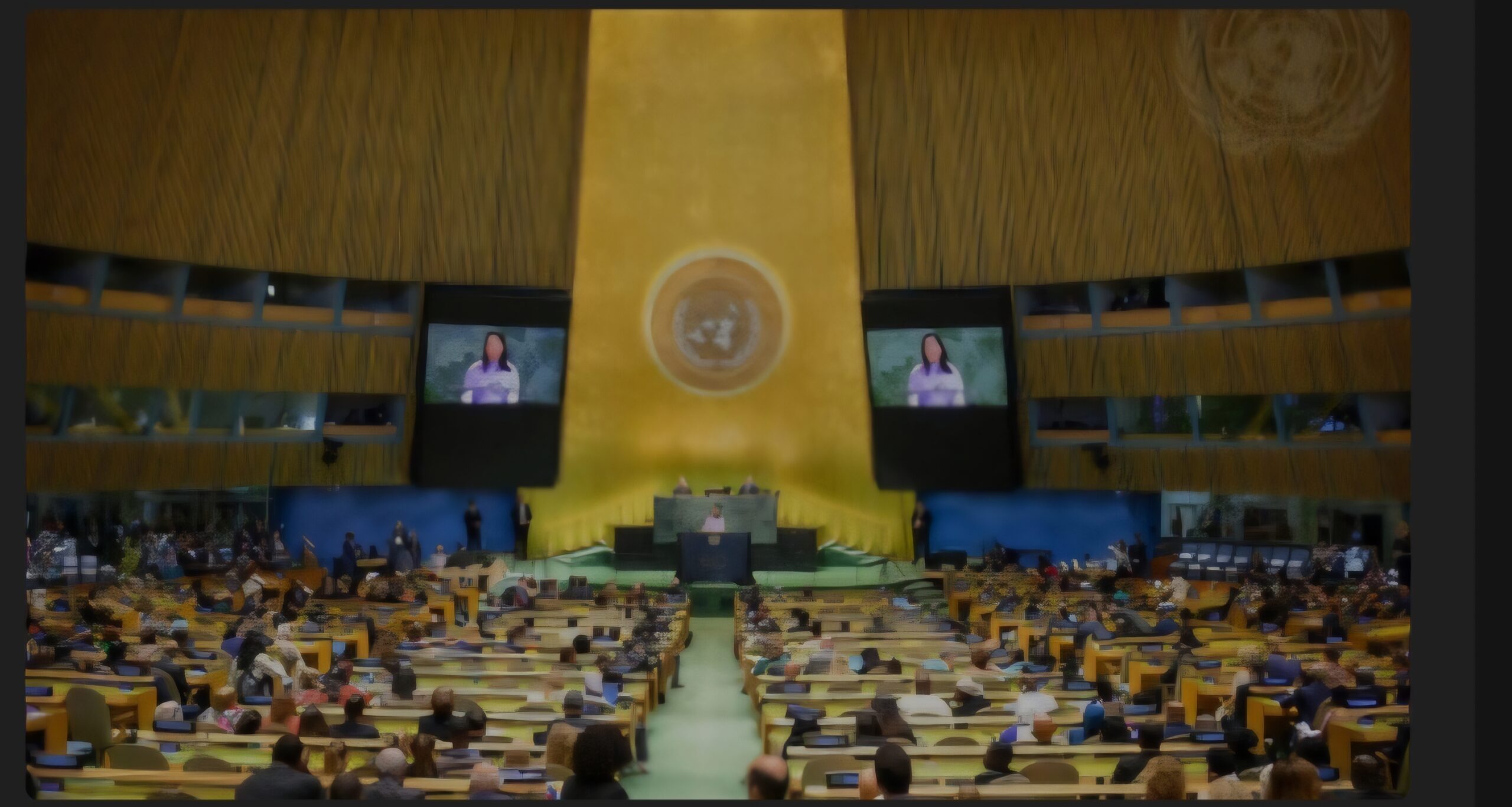
Speaking on behalf of Morocco during the plenary session of the Second International Migration Review Forum Ismail Chekkori, Director of Global Issues at Morocco’s Ministry of Foreign Affairs, African Cooperation and Moroccan Expatriates, emphasized the urgent need for stronger multilateral cooperation to address the growing complexities of global migration.
The high-level forum, convened under the auspices of the United Nations, serves as the principal global platform for assessing progress on the implementation of the Global Compact for Safe, Orderly and Regular Migration, widely known as the Marrakech Compact, adopted in Morocco in 2018.
In his address, Mr. Chekkori called on participating states and international stakeholders to use the review forum as an opportunity to reinforce international commitment to the Compact’s 23 objectives, which seek to improve migration governance while safeguarding the dignity and rights of migrants worldwide.
He recalled the message delivered by His Majesty King Mohammed VI during the historic 2018 Marrakech conference, where the Moroccan monarch stressed that the Global Compact “would have meaning only if effectively implemented.”
According to Mr. Chekkori, Morocco has remained steadfast in translating that vision into practical action through policies grounded in international cooperation, shared responsibility, and human dignity.
“Morocco’s approach is based on leadership by example and the sharing of best practices,” he noted, highlighting the Kingdom’s active participation in the Champion Countries Network on Migration, a global coalition Morocco chaired in 2023.
The Moroccan diplomat stressed that the review of the Marrakech Compact should not be viewed merely as a procedural exercise, but rather as an opportunity for countries to demonstrate measurable achievements and renew commitments ahead of the next implementation cycle.
During the session, Morocco showcased a broad range of initiatives designed to establish what officials described as a “humanist and responsible” migration governance framework.
These include reforms aimed at humanizing border management, expanding migrant access to healthcare, education, employment opportunities, and entrepreneurship programs, as well as strengthening migration-related data systems to support evidence-based policymaking.
Mr. Chekkori further underscored Morocco’s efforts to promote a positive narrative around migration, portraying migrants not as a burden but as contributors to economic growth, innovation, and social development.
According to Moroccan officials, the country has developed more than 100 migration-related best practices that have received recognition from several international institutions and organizations working in migration governance and humanitarian affairs.
Morocco occupies a unique geopolitical position as both a country of origin, transit, and destination for migrants, particularly those traveling between Africa and Europe.
Over the past decade, the North African nation has increasingly positioned itself as a continental leader on migration policy, balancing border management concerns with humanitarian commitments.
The Kingdom has also championed the African Agenda on Migration, an initiative led by King Mohammed VI in his role as the African Union Leader on Migration Issues.
The agenda advocates stronger African cooperation on migration management, development-centered mobility strategies, and greater protection for migrants across the continent.
Mr. Chekkori warned that no national migration strategy, regardless of its effectiveness, can succeed in isolation without stronger regional and international coordination.
He stressed that sub-regional partnerships, continental strategies, and global solidarity remain indispensable in addressing the root causes of migration, including conflict, climate change, poverty, unemployment, and political instability.
The International Organization for Migration estimates that more than 281 million people currently live outside their countries of birth globally, while forced displacement worldwide has surpassed 120 million people due to wars, economic crises, and environmental disasters.
Against this backdrop, migration governance has become one of the defining diplomatic and humanitarian challenges of the 21st century.
Concluding his remarks, Mr. Chekkori described the Migration Review Forum as a critical opportunity to strengthen international consensus around a governance model that places migrants’ rights, dignity, and community welfare at the center of global migration policies.
Analysts say Morocco’s continued activism on migration diplomacy reflects its broader ambition to strengthen its role as a strategic bridge between Africa, Europe, and the wider international community while reinforcing its standing within multilateral institutions.


