



By: Julius Konton
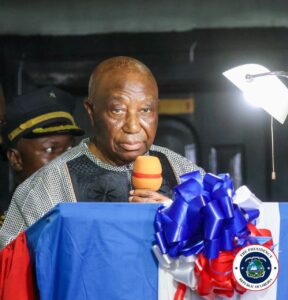
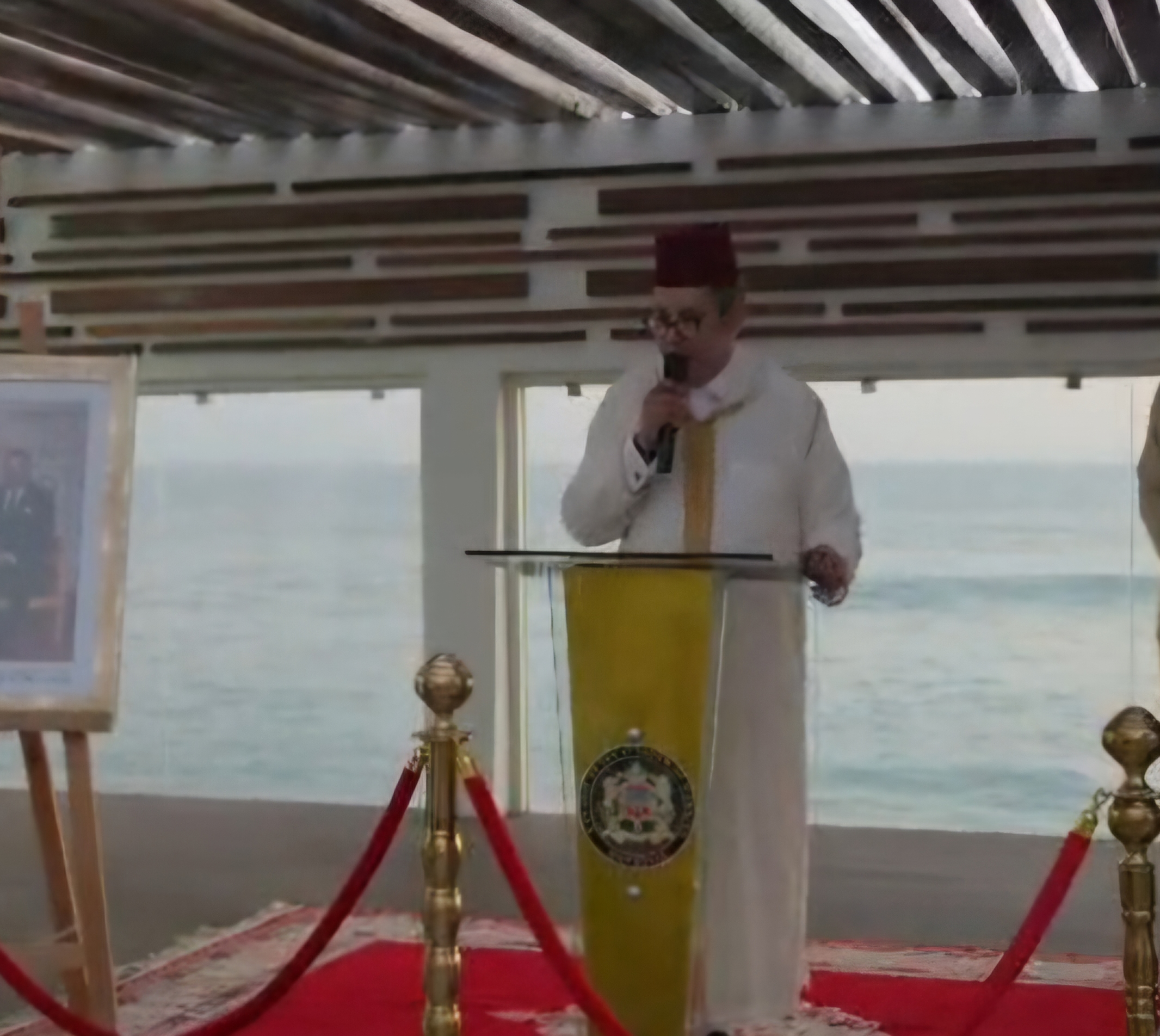
The Kingdom of Morocco has reaffirmed its diplomatic and cultural engagement in West Africa by hosting a high-profile Ramadan Iftar in Liberia’s capital, bringing together key stakeholders in a display of unity, faith, and international cooperation.
The event, led by Chargé d’Affaires Lahoucine Rahmouni, highlighted Morocco’s growing influence in Africa through what analysts describe as “religious diplomacy, a strategy that blends faith, culture, and foreign policy to strengthen alliances.
Over the past two decades, Morocco has significantly increased its presence across Africa, rejoining the African Union in 2017 and expanding partnerships in more than 40 African countries.
At the Monrovia gathering, Rahmouni emphasized the importance of Ramadan as a time for reflection and solidarity, while also acknowledging Liberia’s role as a valued partner.
Religious leader Sualiho Dukuly described the event as a unifying platform that reinforces peaceful coexistence, noting that religion remains a powerful force for stability when guided by tolerance and understanding.
Senator Gbehzohngar M. Findley praised the Muslim community for its contributions to peace and national development, adding that their prayers during Ramadan extend beyond borders to global stability.
He further expressed appreciation to Morocco’s King, Mohammed VI, whose government has supported numerous initiatives across Africa, including religious training programs and humanitarian outreach.
Experts note that such engagements are increasingly significant in a world facing rising religious tensions, positioning countries like Morocco as key players in promoting moderate religious discourse.
With Islam being the world’s second-largest religion and Africa projected to host nearly half of the global Muslim population by 2050, events like this Iftar carry both symbolic and strategic importance.


