



By: Julius Konton
Liberia has taken a bold step toward reshaping its sports development architecture, as Youth and Sports Minister Atty. Cornelia W. Kruah unveiled a nationwide decentralization strategy anchored by international exposure for grassroots athletes.
In a landmark announcement, Minister Kruah revealed that 15 amateur footballers representing one of Liberia’s 15 counties will travel to China in May 2026 to participate in the Cun Chao International Amateur Tournament, a one-week global sporting event designed to foster youth engagement and cross-cultural exchange.
The initiative marks one of the most deliberate efforts in recent years to shift Liberia’s sports focus away from its traditional concentration in Monrovia, where historically over 70% of organized sporting activities and facilities have been based, according to sector estimates.
A Strategic Shift Toward Inclusion and Equal Representation
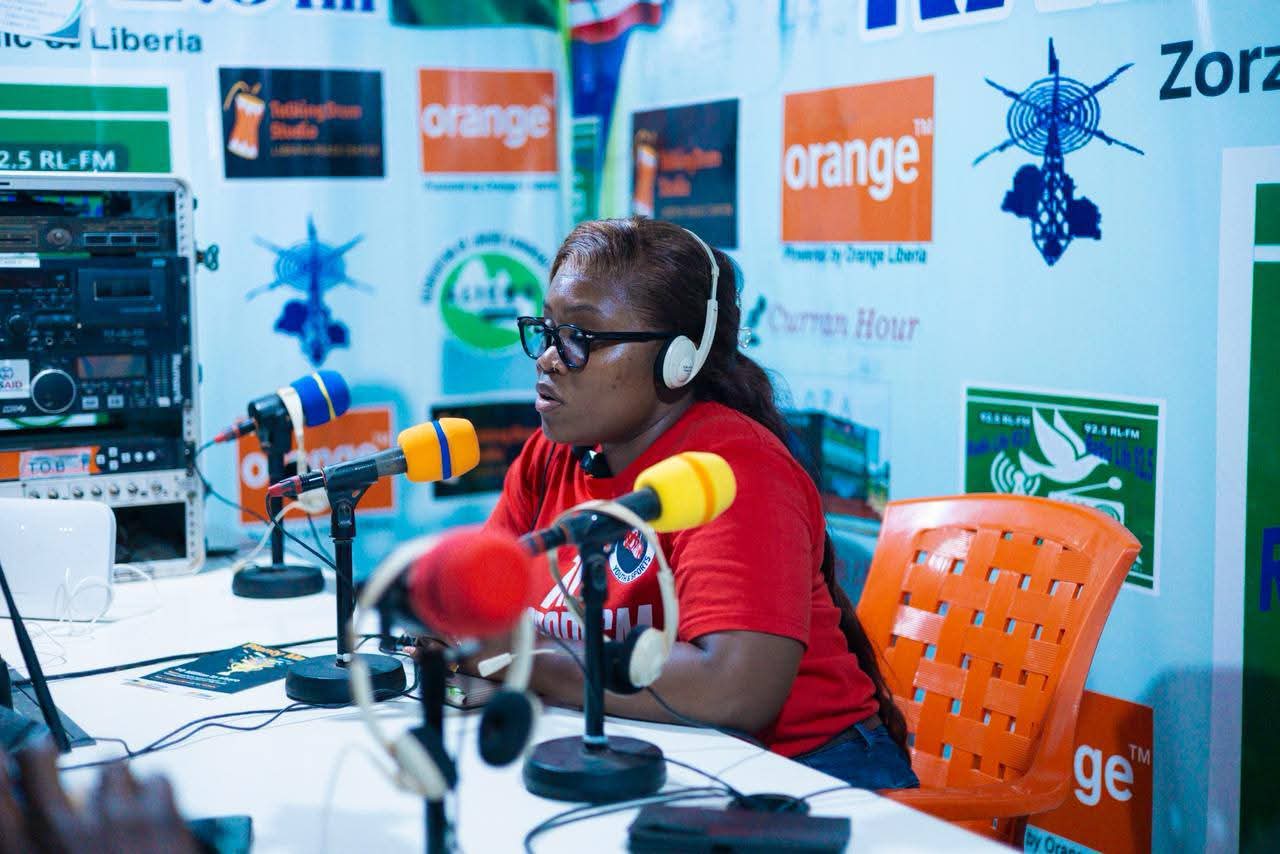
Speaking at the Wologisi Intellectual Forum in Voinjama, alongside a live appearance on Radio Life, Minister Kruah emphasized that the program reflects her administration’s commitment to equity, inclusion, and national representation in sports.
The China-bound squad will be drawn from the National County Meet All-Star Team, Liberia’s premier inter-county football showcase, which has long served as a pipeline for local talent.
“This is about giving every county a seat at the table,” Kruah stated. “For too long, opportunities have been centralized. We are now taking sports development to every corner of Liberia.”
The selection follows an official invitation from the Chinese Embassy in Liberia, which allocated 18 slots for participation.
The Ministry reserved 15 positions specifically for county-based players, ensuring that each county is represented a move widely seen as a structural shift toward decentralization.
Strict Local Criteria Reinforces Grassroots Identity
Deputy Minister for Sports, Hon. G. Andy Quamie, who supervised the selection process, underscored the integrity and localized nature of the criteria.
According to Quamie, each selected player must:
Be born in the county they represent
Have been educated within that county
Be actively playing locally
Currently reside in the county
This approach aims to preserve the authenticity of grassroots development while preventing talent migration to urban centers solely for exposure.
One standout selection is Dennis Gbagbaku of Lofa County, who will represent the region at the tournament.
“Dennis will go to China, gain experience, and return with new skills and confidence,” Quamie noted.
“This is how we build national talent from the ground up.”
Reviving County Sports Amid Broader National Reform
Beyond the international trip, Minister Kruah disclosed ongoing efforts to revitalize county-based sporting structures, many of which declined during and after Liberia’s civil conflicts (1989–2003), a period that severely disrupted youth development systems nationwide.
The Ministry is currently working in collaboration with the Director of Sports to:
Reintroduce county leagues and competitions
Establish talent identification programs in rural areas
Strengthen community-level coaching and training systems
Liberia, a nation of approximately 5.5 million people, has historically produced notable football talents, including global icon George Weah, yet continues to face structural challenges in developing talent pipelines outside urban centers.
Sports Diplomacy and Liberia–China Relations
The upcoming tournament also carries diplomatic significance.
The Cun Chao Tournament is expected to feature amateur teams from multiple countries, serving as a platform for sports diplomacy, cultural exchange, and bilateral engagement.
Liberia and China have maintained strong diplomatic ties since 1977, with increasing cooperation in infrastructure, education, and youth development programs.
This latest initiative adds a sports dimension to the partnership.
Participants, aged 18 to 30, will gain exposure not only to international competition but also to professional training environments, an opportunity rarely accessible to grassroots athletes in Liberia.
A New Chapter for Liberian Sports
Analysts view the initiative as a turning point in Liberia’s sports policy, with potential long-term impacts on talent discovery, national unity, and international competitiveness.
If sustained, decentralization could significantly expand Liberia’s talent pool, reduce rural-urban disparities, and position the country to better compete regionally and globally.
As Liberia prepares to send its county representatives to China, the message is clear: the future of Liberian sports is no longer confined to the capital, it is national, inclusive, and increasingly global.


