



By: Julius Konton
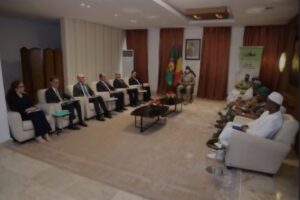
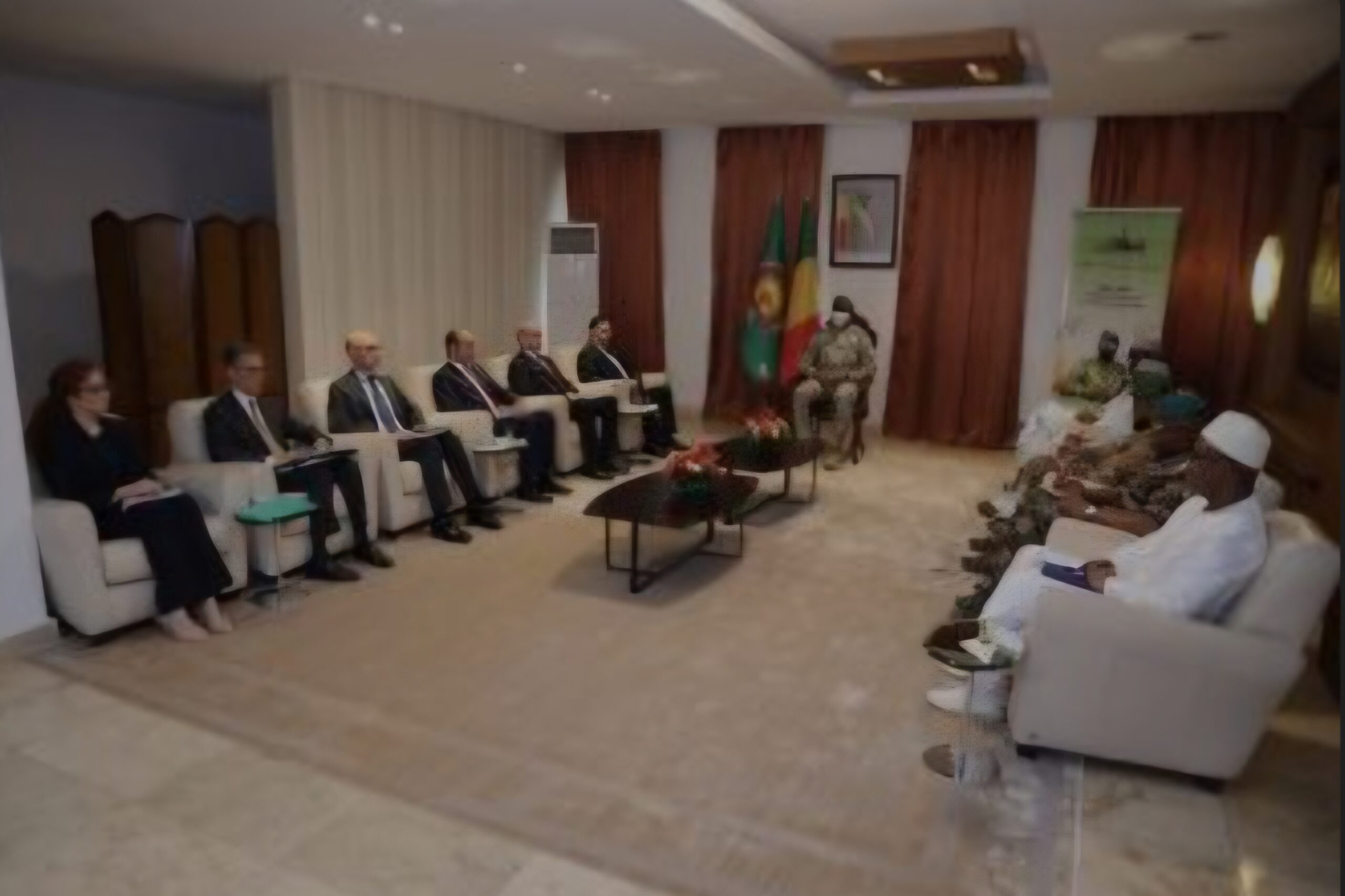
Morocco and Mali have reaffirmed their longstanding diplomatic partnership, with Malian Transitional President General Assimi Goïta praising King Mohammed VI for Morocco’s consistent support of Mali’s sovereignty, national unity, and territorial integrity during high-level talks held in Bamako on Friday.
The meeting brought together Morocco’s Minister of Foreign Affairs, African Cooperation and Moroccan Expatriates, Nasser Bourita, and President Goïta on the sidelines of the Fourth Session of the Morocco-Mali Joint Cooperation Commission, a key bilateral mechanism aimed at expanding political, economic, and development cooperation between the two African nations.
During the audience, President Goïta conveyed his profound appreciation to King Mohammed VI for what he described as Morocco’s “steadfast and unwavering” commitment to Mali during a period marked by political transition and regional security challenges.
He underscored Morocco’s continued support for Mali’s sovereignty and territorial integrity, principles that remain central to Bamako’s foreign policy priorities.
The Malian leader also praised the historic friendship and solidarity that have united the Kingdom of Morocco and the Republic of Mali for decades, emphasizing that the relationship has evolved into a comprehensive partnership encompassing diplomacy, education, religious cooperation, infrastructure, agriculture, healthcare, and human capital development.
President Goïta expressed gratitude for King Mohammed VI’s multidimensional assistance to Mali, noting that Morocco has consistently extended support through development initiatives, scholarship programs for Malian students, technical cooperation, humanitarian assistance, and capacity-building programs designed to strengthen public institutions.
Reaffirming Bamako’s commitment to closer engagement with Rabat, the Head of State said Mali is prepared to deepen cooperation with Morocco across all strategic sectors, including trade, investment, energy, agriculture, transport, vocational training, and regional security.
The discussions took place amid growing efforts by both countries to strengthen South-South cooperation across Africa. Morocco has increasingly positioned itself as one of the continent’s leading investors, with Moroccan banks, telecommunications firms, insurance companies, and infrastructure enterprises operating across more than 30 African countries.
Trade and investment between Morocco and sub-Saharan Africa have expanded significantly over the past two decades as Rabat pursues deeper economic integration with the continent.
For Mali, a landlocked nation of more than 24 million people, enhanced cooperation with Morocco offers opportunities to attract investment, expand trade, and benefit from technical expertise while supporting national reconstruction and sustainable development efforts.
The Morocco-Mali Joint Cooperation Commission, established to oversee bilateral agreements and identify new areas of collaboration, continues to serve as the principal framework for strengthening relations between the two countries.
Previous sessions have produced agreements covering education, vocational training, agriculture, Islamic affairs, infrastructure, and economic development.
The latest meeting signals the shared determination of Rabat and Bamako to elevate their partnership at a time when African nations are increasingly emphasizing regional integration, economic resilience, and South-South cooperation as drivers of sustainable development.
Diplomatic observers say the renewed commitment demonstrated during the Fourth Joint Cooperation Commission reflects both countries’ intention to transform their historic friendship into a broader strategic alliance capable of promoting stability, economic growth, and regional cooperation across West and North Africa.


