



By: Julius Konton
In a symbolic yet economically strategic move, Liberia’s Legislature has adopted a new policy mandating senators to wear African attire preferably made from Liberian-produced fabric during plenary sessions every Thursday, signaling a renewed commitment to cultural preservation and local economic empowerment.
The policy, introduced under the leadership of Nyonblee Karnga Lawrence, President Pro Tempore of the Liberian Senate, has drawn praise from lawmakers, cultural advocates, and business leaders alike.
Among the most vocal supporters is Edwin Melvin Snowe Jr., Senator of Bomi County, who described the initiative as “a new beginning for the preservation and promotion of Liberia’s cultural heritage.”
“Thank you, Madam Pro Tempore, for your belief in and commitment to our culture,”
Senator Snowe wrote in a widely shared social media post, describing the policy as both timely and visionary.
A Visible Shift Inside the Senate Chamber
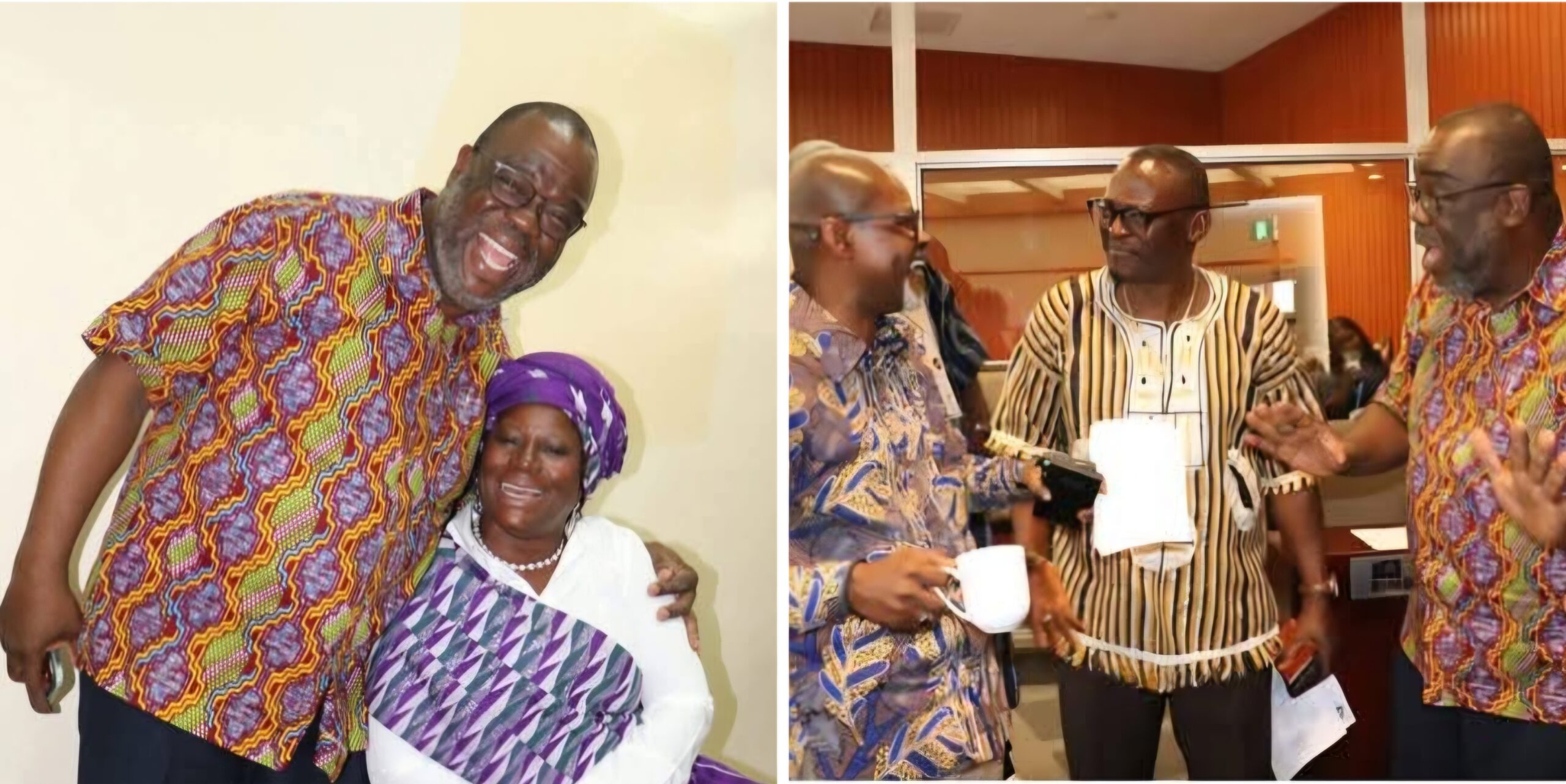
On Thursday, the impact of the policy was immediately visible as senators appeared in session clad in vibrant African attire, ranging from traditional country cloth designs to modern interpretations of indigenous Liberian patterns.
Senate Pro Tempore Lawrence herself led by example, donning Liberian-made fabric during the sitting.
The move marks one of the clearest institutional endorsements of cultural expression within Liberia’s governance framework since the end of the country’s civil conflict in 2003.
Cultural Revival Rooted in History
Liberia’s cultural identity shaped by indigenous traditions and settler influences dating back to the 19th century has often struggled for visibility in official state institutions.
While African attire is commonly worn during national celebrations such as Independence Day, it has rarely been institutionalized within the formal legislative process.
Cultural historians note that similar initiatives in African parliaments including Ghana, Senegal, and Rwanda have helped normalize indigenous identity in governance while reinforcing post-colonial pride.
Economic Implications for Local Industry
Beyond symbolism, the Senate’s policy is expected to deliver tangible economic benefits.
Liberia’s informal textile and tailoring sector employs tens of thousands nationwide, according to estimates from local trade associations, with tailoring shops forming a critical part of urban and rural micro-economies.
By prioritizing Liberian-made fabric, the policy is anticipated to:
Increase demand for locally produced textiles
Support small-scale tailors and fashion designers
Encourage investment in domestic garment production
Liberia currently imports the majority of its clothing, a trend that drains millions of U.S. dollars annually from the national economy.
Advocates believe sustained institutional demand could gradually shift consumption patterns toward local production.
“National identity is key, and this is a welcoming move,” one senator remarked, describing the policy as both patriotic and economically sound.
Public Reception and Broader Significance
Early public reaction has been largely positive, with civil society groups and youth organizations applauding the Senate for what they describe as “cultural leadership by example.”
Social media platforms have since been flooded with images and calls for similar policies across other branches of government.
Analysts say the initiative reflects a broader continental trend where African states are increasingly using culture as a soft-power tool both domestically and internationally.
While the policy is currently limited to Thursdays, lawmakers suggest it could pave the way for broader cultural integration within Liberia’s public institutions.
Whether the initiative expands or inspires parallel measures in the Executive and Judicial branches remains to be seen.
For now, Liberia’s Senate has sent a clear message: governance and culture need not exist in separate spheres and national pride can be woven directly into the fabric of democracy.


