


By: Julius Konton
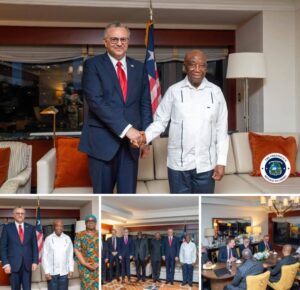
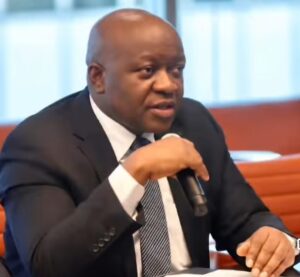
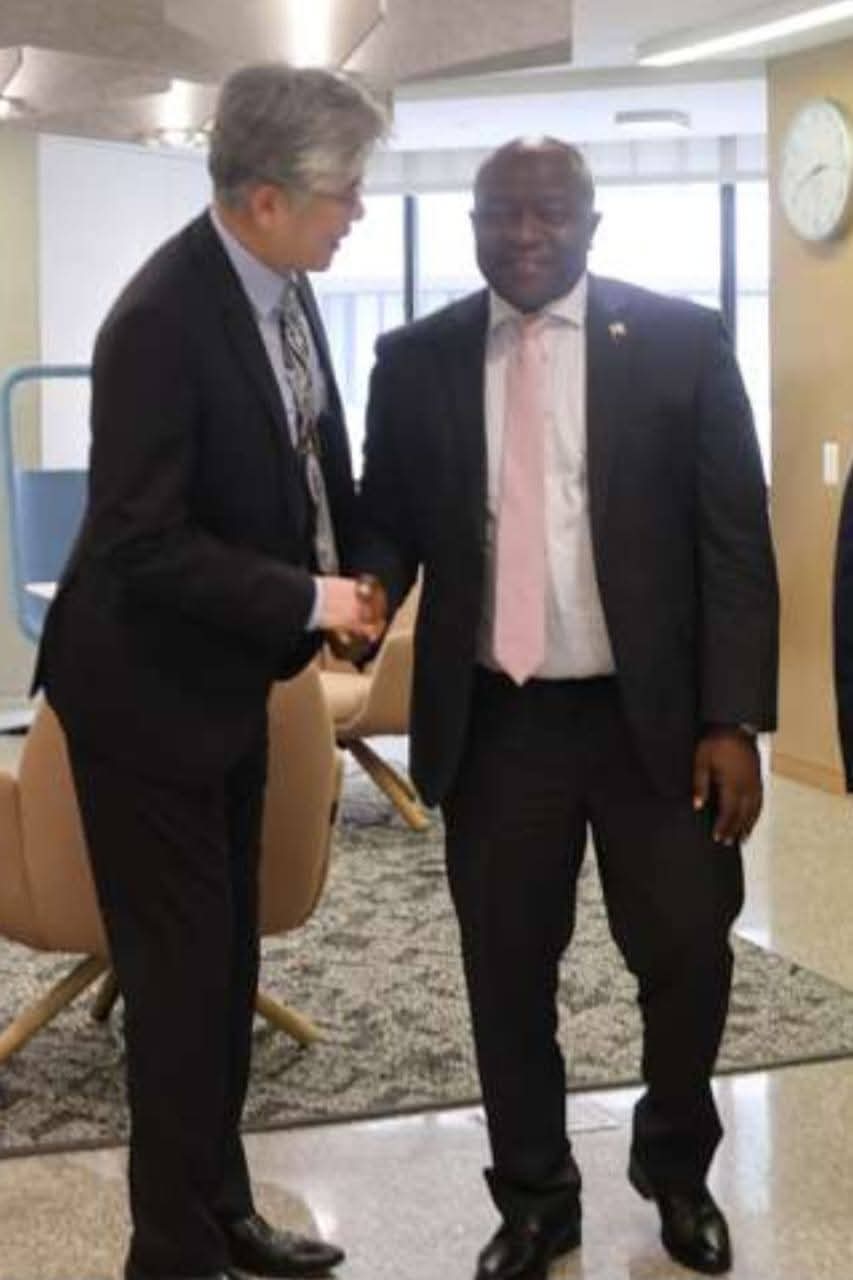
Liberia has secured renewed confidence from the International Monetary Fund (IMF) following high-level discussions between Finance and Development Planning Minister Augustine Kpehe Ngafuan and IMF Mission Chief for Liberia Daehaeng Kim during the ongoing 2026 IMF/World Bank Spring Meetings in Washington, D.C.
The bilateral meeting, held on the sidelines of the global economic summit, focused on Liberia’s economic outlook, the impact of escalating tensions in the Middle East on commodity prices, and fresh financing opportunities for climate resilience and sustainable growth.
Minister Ngafuan briefed the IMF delegation on the ripple effects of the current Middle East crisis, particularly rising fuel and food import costs that threaten inflationary pressures in import-dependent economies such as Liberia. Liberia imports a significant portion of its petroleum products, rice, and industrial goods, making it vulnerable to external shocks.
He outlined measures taken by the Liberian government to cushion citizens and stabilize the economy, including tighter fiscal controls, support for essential imports, and social protection initiatives aimed at protecting low-income households.
“We remain committed to disciplined fiscal management while protecting vulnerable populations,” Minister Ngafuan said.
IMF Commends Liberia’s Economic Stewardship
In response, IMF Mission Chief Daehaeng Kim praised Liberia for what he described as prudent macroeconomic management despite a difficult global environment marked by geopolitical instability, inflation risks, and slowing international growth.
Liberia’s economy has shown gradual recovery in recent years, supported by mining, agriculture, and services.
According to previous IMF and World Bank estimates, Liberia’s growth has averaged between 4% and 5% in recent periods, driven largely by iron ore, gold exports, rubber production, and infrastructure investment.
Kim reaffirmed the IMF’s continued partnership with Liberia and expressed optimism about the country’s reform trajectory.
“The Fund remains committed to working with Liberia to achieve its development goals,” Kim stated.
Liberia Nears Approval for Resilience and Sustainability Facility
A major highlight of the meeting was confirmation that Liberia is progressing toward IMF Executive Board consideration of its application for the Resilience and Sustainability Facility (RSF).
The RSF is a special IMF financing window created in 2022 to help vulnerable and low-income countries address long-term structural challenges such as climate change, pandemic preparedness, and energy transition.
More than two dozen countries have already benefited from the facility.
For Liberia, one of West Africa’s most climate-vulnerable nations, approval could unlock substantial concessional financing over a two-year period to support:
Climate-smart agriculture
Coastal protection and flood prevention
Renewable energy expansion
Disaster preparedness systems
Green infrastructure investments
Liberia faces mounting climate threats including coastal erosion, urban flooding, irregular rainfall, and deforestation.
Studies estimate that coastal erosion alone threatens communities and assets worth hundreds of millions of dollars along the country’s Atlantic coastline.
Strategic Importance of the Spring Meetings
The annual IMF/World Bank Spring Meetings gather finance ministers, central bank governors, investors, and development leaders from nearly every country to discuss the global economy, debt, growth, and poverty reduction strategies.
For Liberia, participation comes at a strategic moment as President Joseph Nyuma Boakai’s administration seeks to attract investment, strengthen public finances, modernize infrastructure, and expand job opportunities.
Analysts say positive engagement with the IMF and World Bank boosts investor confidence and improves Liberia’s chances of mobilizing grants, concessional loans, and technical support.
A New Chapter for Liberia’s Development Agenda
The Washington discussions signal growing international recognition of Liberia’s reform efforts and its ambition to build a more resilient economy.
If approved, the RSF package would represent another milestone in Liberia’s economic diplomacy providing critical support for sustainable development while helping shield the nation from future climate and external shocks.


