



By: Julius Konton
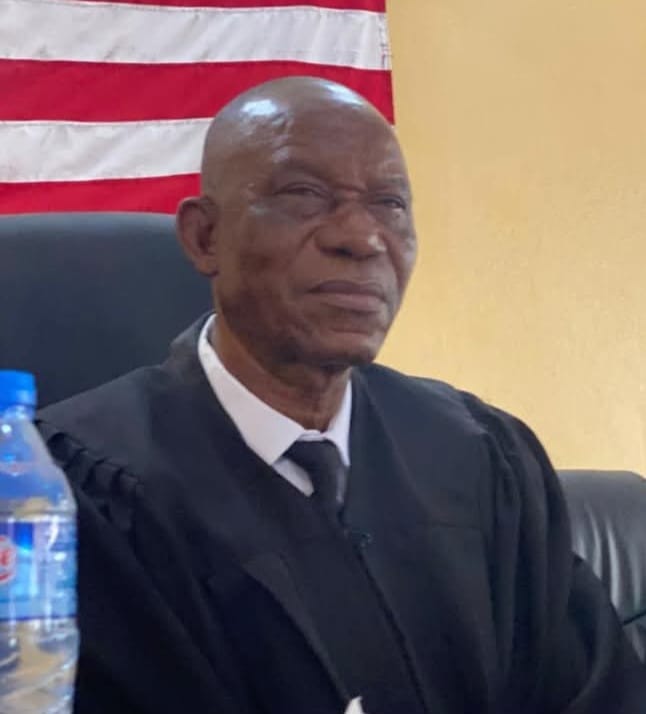
The Judge of Civil Law Court of Liberia Peter W. Gbeneweleh has handed down ruling in the controversial case at the football house in which he lifted the injection previously placed on the conduct of the LFA’S April 18, 2026 election.
Court Avoids Constitutional Determination
In Judge Gbeneweleh’s decision, the court refrained from ruling on the constitutionality of Article 58.1 of the LFA’s 2018 statutes.
The provision bars individuals from contesting LFA elections if they have been found guilty of criminal offenses, matters the statute says fall under the jurisdiction of the Supreme Court of Liberia.
Rather than issuing a substantive judgment, Judge Gbeneweleh emphasized that constitutional interpretation lies beyond its remit, effectively directing any such disputes to the nation’s highest court.
No Clear Winner, But A Clear Direction
Legal analysts describe the ruling as a “procedural outcome” rather than a decisive victory for either side.
While Kouh did not secure a direct endorsement of his eligibility, the court affirmed his constitutional right to participate in the electoral process.
The judgment explicitly instructs Kouh to re-engage with the LFA election process, signaling that administrative remedies should be exhausted before further legal escalation.
Election Framework Still Restrictive
Despite the court’s position, the LFA’s election guidelines continue to mirror the same eligibility restrictions found in the disputed statute.
This creates a potential legal contradiction: while Kouh is encouraged to participate, the rules governing the election could still be used to disqualify him.
If such a disqualification occurs, observers expect the dispute to escalate to the Supreme Court, where a definitive constitutional interpretation could finally be rendered.
Implications for April 18 Elections
The ruling clears the immediate path for the LFA’s scheduled elections on April 18 to proceed without judicial interruption. However, uncertainty remains.
At the moment, Election timeline: April 18 remains unchanged
Historical and Legal Context
The LFA’s 2018 statutes were introduced as part of broader governance reforms aimed at improving transparency and accountability within Liberian football.
Such reforms often align with international standards promoted by global bodies like FIFA, which require member associations to maintain integrity in leadership.
However, eligibility clauses tied to criminal records have proven controversial in multiple jurisdictions, raising questions about:
Due process
Rehabilitation and eligibility rights
Jurisdictional authority between sports bodies and national courts
If the matter reaches the Supreme Court, it could establish a landmark precedent not only for football administration but also for how private organizations’ statutes align with constitutional protections in Liberia.
While the Civil Law Court’s decision avoids immediate disruption to the electoral calendar, it leaves the central legal question unresolved. With tensions still high and legal pathways open, Liberia’s football leadership contest may ultimately be decided not on the pitch or at the ballot box but in the Supreme Court.


