




By: Staff Writer
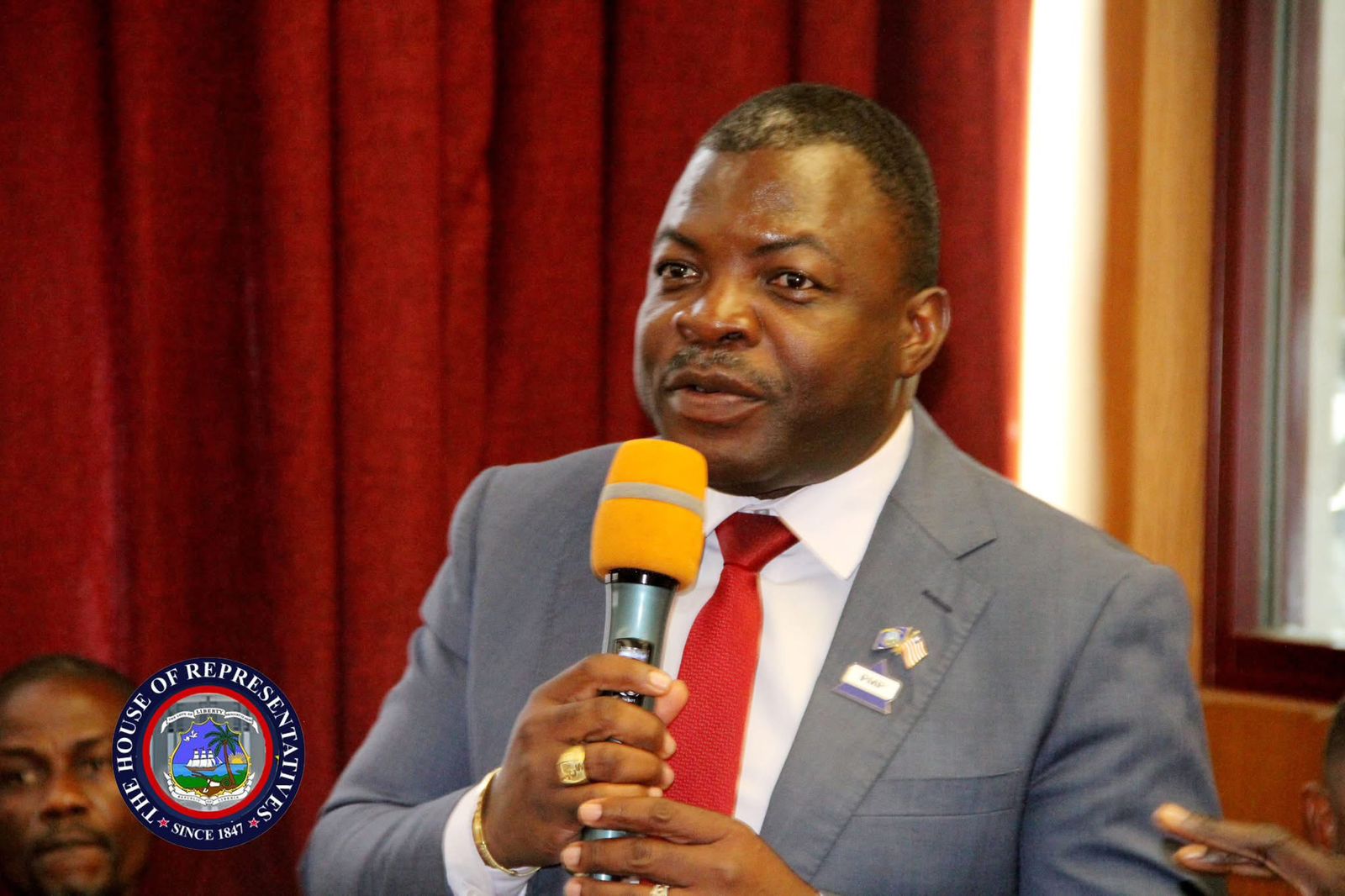
When J. Cyrus Saygbe Sr., Acting Director General of the National Fisheries and Aquaculture Authority (NaFAA), walked into the Plenary of the House of Representatives on Tuesday, December 2, 2025, he carried more than just a folder of figures. He carried the story of an agency battling to stay afloat—one that inherited more debt than operational breathing room, and yet remains responsible for one of Liberia’s most vital natural resource sectors.
As he settled before lawmakers, Saygbe made one clarification unmistakably clear: NaFAA has not refused to commit to the 2026 national budget. In fact, he said, the institution has already pledged US$500,000. But behind that commitment lies a financial reality far more complicated than the numbers alone reveal.
A Burden Inherited
Saygbe recounted the situation his team met when they took over leadership in March.
NaFAA was already weighed down by US$3.1 million in liabilities. The Liberia Revenue Authority accounted for roughly US$1.3 million of that burden, with additional debts stretching to NASSCORP, the National Port Authority, and several vendors who had long been awaiting payment.
Those numbers formed the backdrop of a larger structural challenge. We inherited 203 employees, each depending on the institution for their livelihood. Their collective wage bill came to US$2.4 million annually—a figure so large that it nearly consumed the agency’s entire revenue.

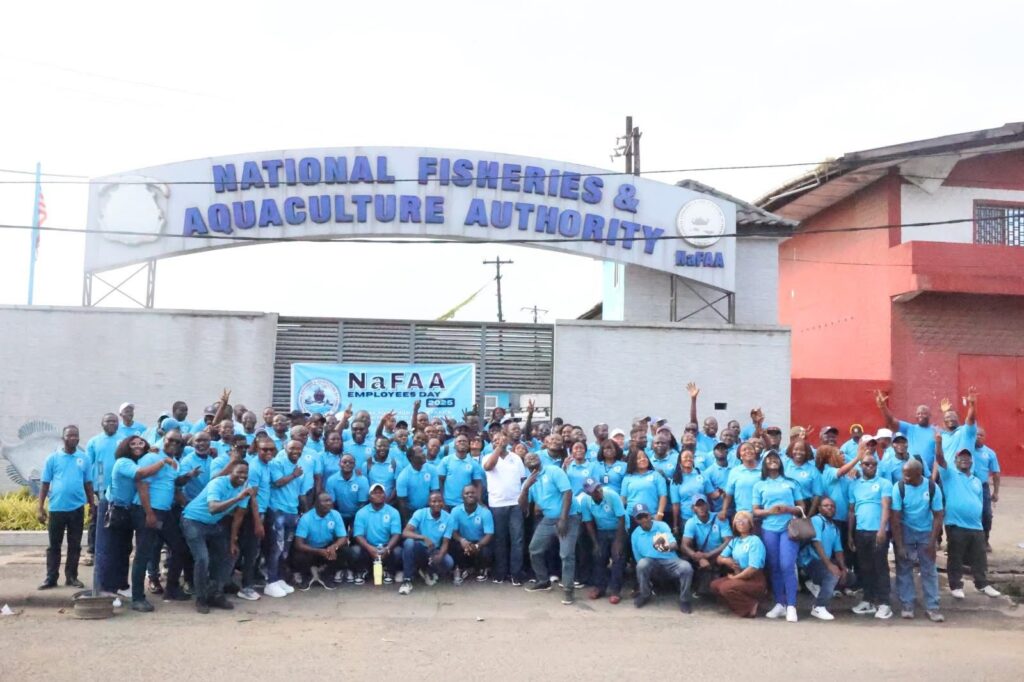
Saygbe explained that with US$3.2 million in revenue, the wage bill left NaFAA with only just over US$300,000 to manage all nationwide operations—patrols, monitoring, coastal programs, administrative functions, and the growing demands of the fisheries sector.
A Moment of Candor Before Lawmakers
In a tone that mixed realism with determination, Saygbe addressed the legislators:
“NaFAA has not refused to commit to the 2026 budget; we committed US$500,000. When we took over in March, we inherited liabilities totaling US$3.1 million… With revenue at US$3.2 million and a wage bill consuming almost all of it, NaFAA was left with just over US$300,000 for operations. This situation shows clearly why we need to diversify our revenue streams.”
His words echoed through the chamber—a stark reminder of the tension between public expectations and the financial constraints often hidden from public view.
A Sector Too Important to Fail
Fisheries remain a crucial pillar of Liberia’s economic future. From industrial fishing agreements to the livelihoods of coastal communities, the sector carries untapped potential. But Saygbe’s testimony highlighted the friction between ambition and the inherited fiscal reality.
Despite the tight constraints, NaFAA is pushing forward—honoring its commitments while urging the nation to re-examine how the fisheries sector is funded and how it can be better positioned to generate sustainable revenue.
Looking Ahead
As lawmakers deliberate the 2026 national budget, Saygbe’s appearance has already shaped the conversation. His message was clear: NaFAA is committed, but commitment requires capacity—and capacity requires financial room to grow.
The future of Liberia’s fisheries may depend on whether the institution receives not just scrutiny, but the strategic support it needs to finally move from survival to progress.


