




By: Julius Konton
A coalition of eight countries, led by the Kingdom of Morocco and the United Kingdom alongside partners spanning four continents have launched a new international initiative aimed at reducing violence against women and girls globally, in what officials describe as an ambitious effort to halve gender-based violence within the next decade.
The coalition, formed during a hybrid ministerial meeting, brings together Morocco, the United Kingdom, Spain, Brazil, Australia, Bosnia and Herzegovina, Jamaica, and South Africa.
The initiative seeks to strengthen international cooperation, share policy expertise, and enhance political commitments to address one of the world’s most persistent human rights and public health crises.
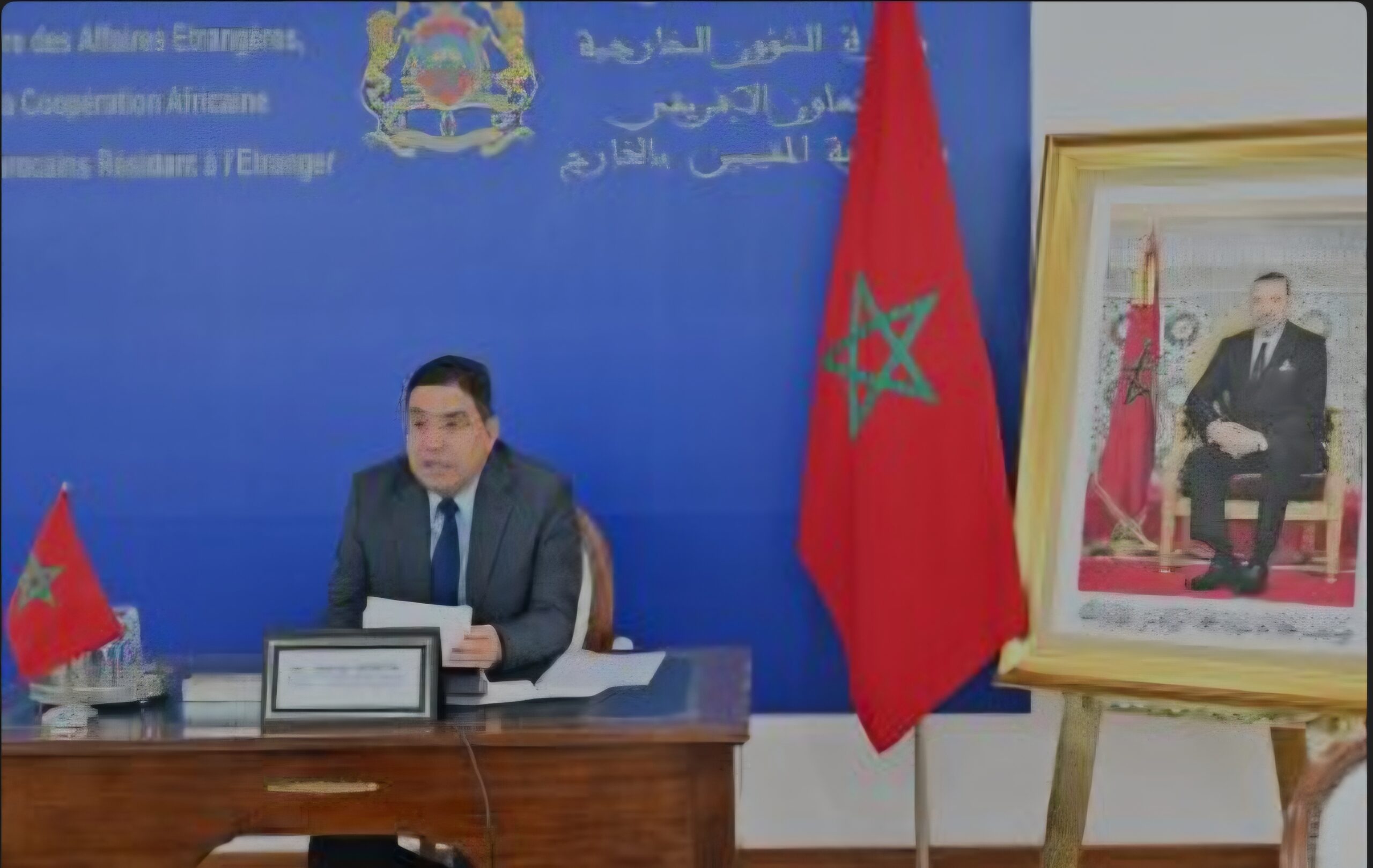
Representing Morocco, Nasser Bourita, Minister of Foreign Affairs, African Cooperation and Moroccan Expatriates, joined senior officials including Yvette Cooper in formally launching the coalition during the high-level meeting.
The initiative comes against the backdrop of alarming global statistics on violence against women.
According to estimates by the United Nations), nearly one in three women worldwide approximately 736 million have experienced physical and/or sexual violence at least once in their lifetime, often perpetrated by intimate partners or acquaintances.
Studies further indicate that gender-based violence imposes severe social and economic costs, including long-term physical and mental health consequences, reduced workforce participation, and heightened poverty risks.
Officials said the coalition will focus on helping participating countries reduce violence at the national level through stronger institutional frameworks, knowledge-sharing mechanisms, and coordinated action against emerging threats, including technology-facilitated abuse such as cyber harassment, online exploitation, and digital stalking.
A major goal of the initiative is to accelerate measurable progress toward cutting violence against women and girls by half over the next ten years, an objective supporters describe as ambitious but necessary amid rising global concerns about gender inequality and violence.
Speaking during the launch, Nasser Bourita reaffirmed Morocco’s commitment to global efforts aimed at protecting women and girls, stressing the importance of collective international action.
He emphasized that multilateral initiatives such as the coalition are essential to ensuring “every woman and girl can live in dignity, safety, and equality,” while underscoring Morocco’s willingness to contribute actively to global prevention and protection mechanisms.
Morocco’s Domestic Reforms Highlighted
Bourita used the occasion to spotlight Morocco’s legislative and institutional reforms designed to combat violence against women, positioning the North African kingdom as an increasingly active advocate in gender protection policies.
Among the key reforms cited was Law No. 103.13 on violence against women, which entered into force in September 2018 and criminalizes multiple forms of abuse, strengthens legal protections for victims, and establishes preventative measures against gender-based violence.
He also referenced Morocco’s National Policy to Combat Violence Against Women and Girls, adopted in 2021, which aims to eliminate violence against women by 2030 through prevention programs, victim support services, legal reforms, and enhanced institutional coordination.
At the conclusion of the ministerial meeting, participating countries signed a joint declaration outlining the coalition’s high-level guiding principles.
These include prioritizing prevention, addressing structural inequalities and root causes of violence, strengthening accountability for perpetrators, and expanding protection and support systems for survivors.
Rising Global Attention Ahead of 2027 Summit
The launch of the coalition comes amid increasing international attention on violence against women and girls as governments and international institutions seek stronger commitments toward gender equality and safety.
Diplomatic sources confirmed that an International Summit on Violence Against Women and Girls is scheduled for 2027, where coalition members and global stakeholders are expected to assess progress, deepen commitments, and outline expanded strategies for prevention and victim protection.
Observers say the initiative could serve as a major benchmark for cross-regional diplomacy on gender-based violence, particularly as countries confront evolving threats linked to digital technologies, economic inequality, armed conflict, and social instability.
For advocates, the coalition signals growing recognition that violence against women is not merely a domestic issue but a transnational challenge requiring coordinated global action, sustained financing, and political will to produce measurable change.


