
By: Julius Konton
As Muslims across Liberia prepare for the sacred observance of Ramadan, a significant act of philanthropy in Kolba City is drawing attention for its symbolic and practical impact on community life.
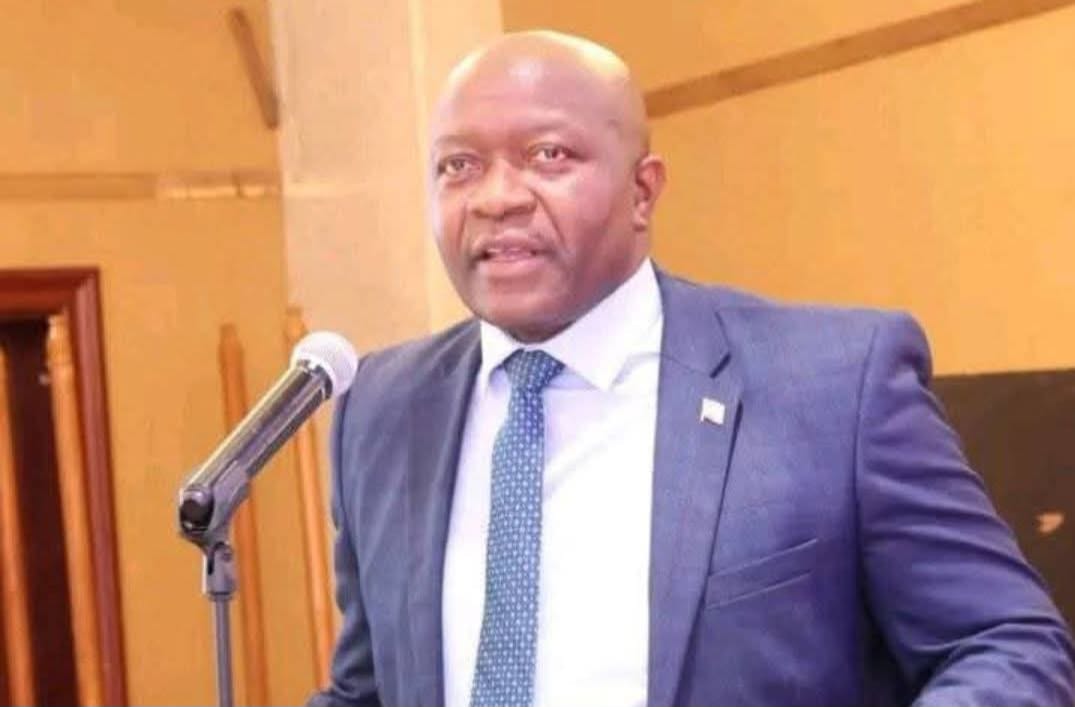
Augustine Kpehe Nganfua, a prominent son of Gbandi Land, has donated L$100,000 (approximately US$525) to the Muslim community in Kolba City, an intervention widely praised as both timely and unifying in a country where religion and community identity remain deeply intertwined.
A Timely Intervention Ahead of Ramadan
The donation comes at a critical moment. Ramadan, observed by an estimated 85–90% of Liberia’s Muslim population, is a period marked by fasting from dawn to sunset, increased prayer, and charitable giving.
For many low-income households, however, the financial demands associated with the holy month ranging from food provisions to communal prayers can be significant.
In rural and peri-urban communities such as Kolba City, where access to economic opportunities remains limited, such contributions can have an outsized impact. According to Liberia Institute of Statistics and Geo-Information Services (LISGIS) data, over 50% of rural households face periodic food insecurity, underscoring the importance of community-driven support systems.
Community Reception and Symbolism
The presentation ceremony brought together local leaders, elders, and residents in a show of unity that extended beyond religious lines.
Receiving the donation on behalf of the Muslim community, Alihaji Blama Kamara expressed deep appreciation, emphasizing the broader significance of the gesture.
“This generous support comes at a crucial time for our community,” Kamara said. “It will help us observe Ramadan with dignity and peace of mind.
More importantly, it reminds us that we are not alone.”
Residents described the donation as more than financial assistance, it was seen as a reaffirmation of shared identity and mutual care.
Leadership Beyond Politics
Observers note that acts of localized philanthropy have increasingly become a hallmark of effective leadership in Liberia, particularly in regions where government resources are stretched thin.
Mr. Nganfua’s gesture aligns with a broader tradition of community-centered leadership in Gbandi Land, where social cohesion is often reinforced through cultural and religious support systems.
Analysts argue that such interventions help bridge gaps left by formal institutions, while also strengthening trust between leaders and constituents.
“Grassroots contributions like this may appear modest in monetary terms, but their social value is immense,” said a local civil society advocate. “They build credibility, unity, and resilience.”
Religion, Unity, and National Identity
Liberia, founded in 1847, has long been recognized for its religious tolerance. While Christianity remains the majority faith, Muslims constitute approximately 12–15% of the population, with strong concentrations in counties such as Lofa, Bong, and Nimba.
Interfaith collaboration has historically played a stabilizing role in the country, particularly in the post-civil war era.
Initiatives that promote mutual respect and shared celebrations such as support during Ramadan or Christmas are often viewed as essential to maintaining national harmony.
A Broader Impact Beyond Kolba City
In Kolba City, the immediate benefits of the donation are clear: support for vulnerable families, enhanced communal preparations, and a renewed sense of solidarity.
But its ripple effects may extend further.
Community leaders say such gestures encourage a culture of giving, inspiring others both within Liberia and in the diaspora to contribute to local development.
As Ramadan approaches, Muslims in Kolba City are preparing to join millions worldwide in a month defined by reflection, sacrifice, and generosity.
Minister Nganfua’s contribution, many say, embodies these very principles.
Small Act, Lasting Legacy
In a time when economic pressures continue to challenge rural communities, the L$100,000 donation stands as a reminder that impactful leadership is often measured not only in policy, but in presence and empathy.
For Kolba City, this Ramadan will begin not only with prayer and fasting but with a strengthened sense of unity.
