



By: Julius Konton
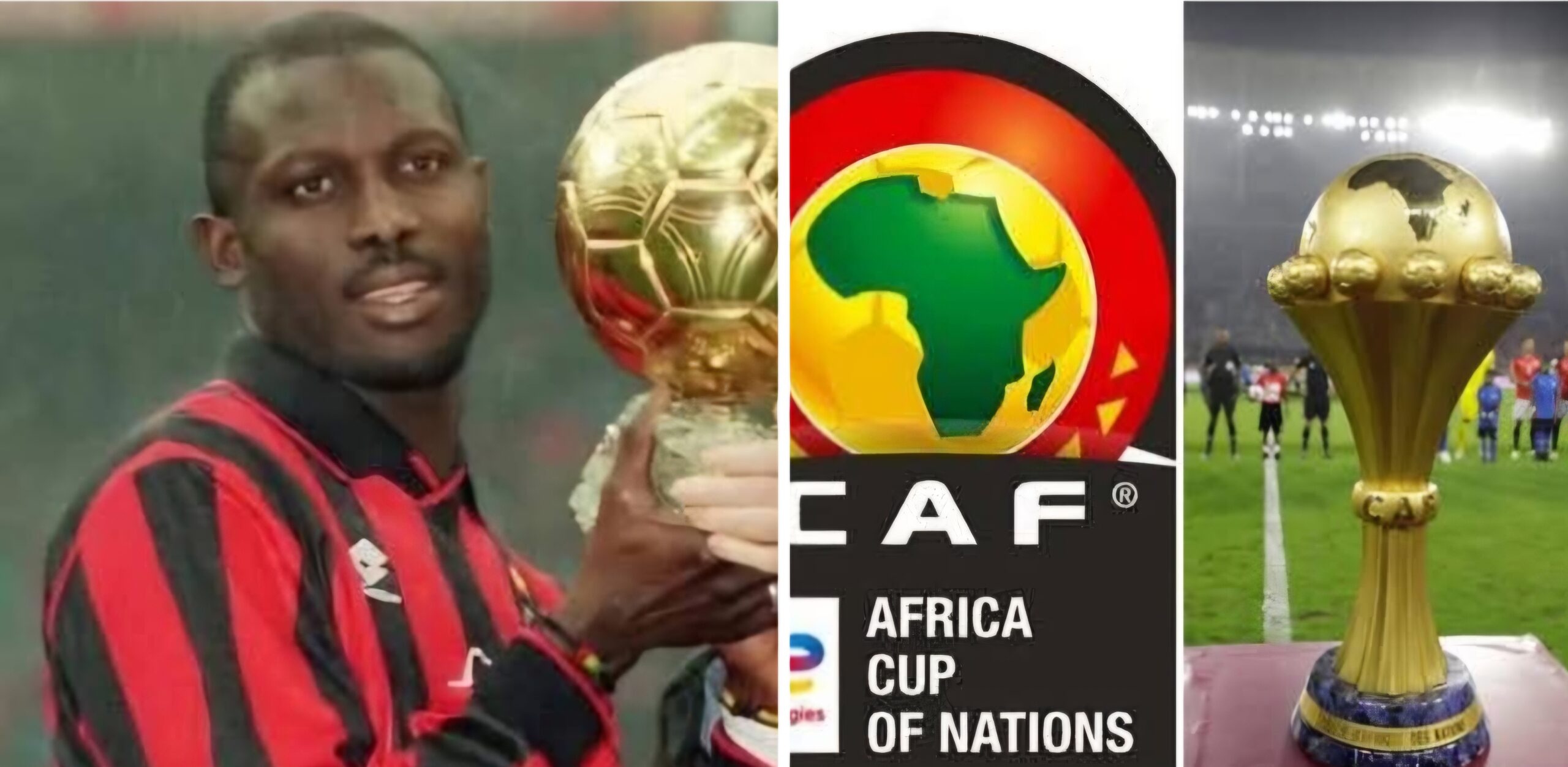
A major controversy is engulfing African football following a disputed decision by the Confederation of African Football (CAF) to withdraw the AFCON 2025 championship title from Senegal and reassign it to Morocco, a move now being fiercely challenged by global football stakeholders, including Liberian football icon George Manneh Weah.
In a sharply worded and legally grounded statement, Weah warned that CAF’s decision risks undermining the very foundations of the sport, arguing that it contradicts the universally accepted authority of match officials as defined by the FIFA Laws of the Game.
A Decision Beyond the Pitch
At the center of the dispute is the AFCON 2025 final between Senegal and Morocco, a match reportedly marred by a controversial walk-off by the Senegalese side. Despite the disruption, the referee allowed play to continue, and the match was ultimately completed including extra time with a result recorded on the field.
According to Weah, this sequence of events should have settled the matter.
“Football must be decided on the pitch, not re-decided after the final whistle,” he asserted.
Under Law 5 of the Laws of the Game, the referee holds full authority over match proceedings, and decisions regarding facts of play are deemed final.
This principle has long been a cornerstone of global football governance, ensuring that outcomes are determined in real time rather than retroactively.
Weah emphasized that the referee’s post-match report categorized the incident as a temporary stoppage, not a forfeiture, and recommended disciplinary sanctions rather than annulment.
CAF’s Intervention Raises Governance Concerns
CAF’s subsequent decision to overturn the match outcome has sparked widespread debate about governance, transparency, and consistency within African football.
Critics argue that the ruling sets a dangerous precedent one that could open the door for administrative bodies to override on-field decisions long after matches conclude.
Football analysts note that such interventions are extremely rare at the global level.
Historically, FIFA and continental confederations have been reluctant to nullify completed matches unless there is clear evidence of fraud, match-fixing, or gross violations of eligibility rules.
According to available data, fewer than 1% of top-tier international matches over the past three decades have been overturned after completion, underscoring the exceptional nature of CAF’s decision.
A Slippery Slope for the “Beautiful Game”?
Weah’s statement goes further, warning of a systemic risk:
“Otherwise, the game will head down a slippery slope where committee room officials not referees decide outcomes.”
This concern resonates across the football community, where the integrity of results is paramount. If upheld, CAF’s ruling could redefine the balance of power between referees and governing bodies, potentially affecting future competitions across the continent.
African football, which commands a global audience of over 500 million viewers during AFCON tournaments, has in recent years sought to strengthen its credibility amid growing commercial investments and international partnerships.
However, controversies of this magnitude risk eroding public trust.
Call for Arbitration and Legal Review
Weah has formally called on the Court of Arbitration for Sport (CAS) to intervene, describing the situation as a “travesty” that must not stand.
CAS, based in Lausanne, Switzerland, serves as the highest authority in global sports dispute resolution.
Its involvement could lead to a landmark ruling with far-reaching implications for how football disputes are handled not only in Africa but worldwide.
Legal experts suggest that Senegal could pursue an appeal, arguing that CAF’s decision violates established procedural norms and the principle of referee finality.
Social Media Misinformation and Public Reaction
Amid the escalating controversy, Weah also addressed misinformation circulating online, dismissing claims that he supports CAF’s decision as “blatantly false.”
The digital backlash has been swift and polarized.
While some fans support CAF’s authority to enforce discipline, others view the decision as politically influenced or procedurally flawed.
Historical Context: A Pattern of Controversy?
CAF has faced criticism in the past over governance issues, including refereeing standards, disciplinary decisions, and organizational transparency.
High-profile disputes in AFCON tournaments particularly in 2019 and 2021 highlighted ongoing challenges in maintaining consistency.
This latest episode risks reinforcing perceptions of institutional instability at a time when African football is striving to compete more effectively on the global stage.
As pressure mounts, the future of the AFCON 2025 title remains uncertain.
A potential CAS ruling could either validate CAF’s authority or reaffirm the primacy of on-field decisions.
For now, the controversy has ignited a broader debate:
Who truly decides the outcome of a football match, the referee on the pitch or administrators behind closed doors?
The answer may redefine the governance of African football for years to come.


