
By: Julius Konton
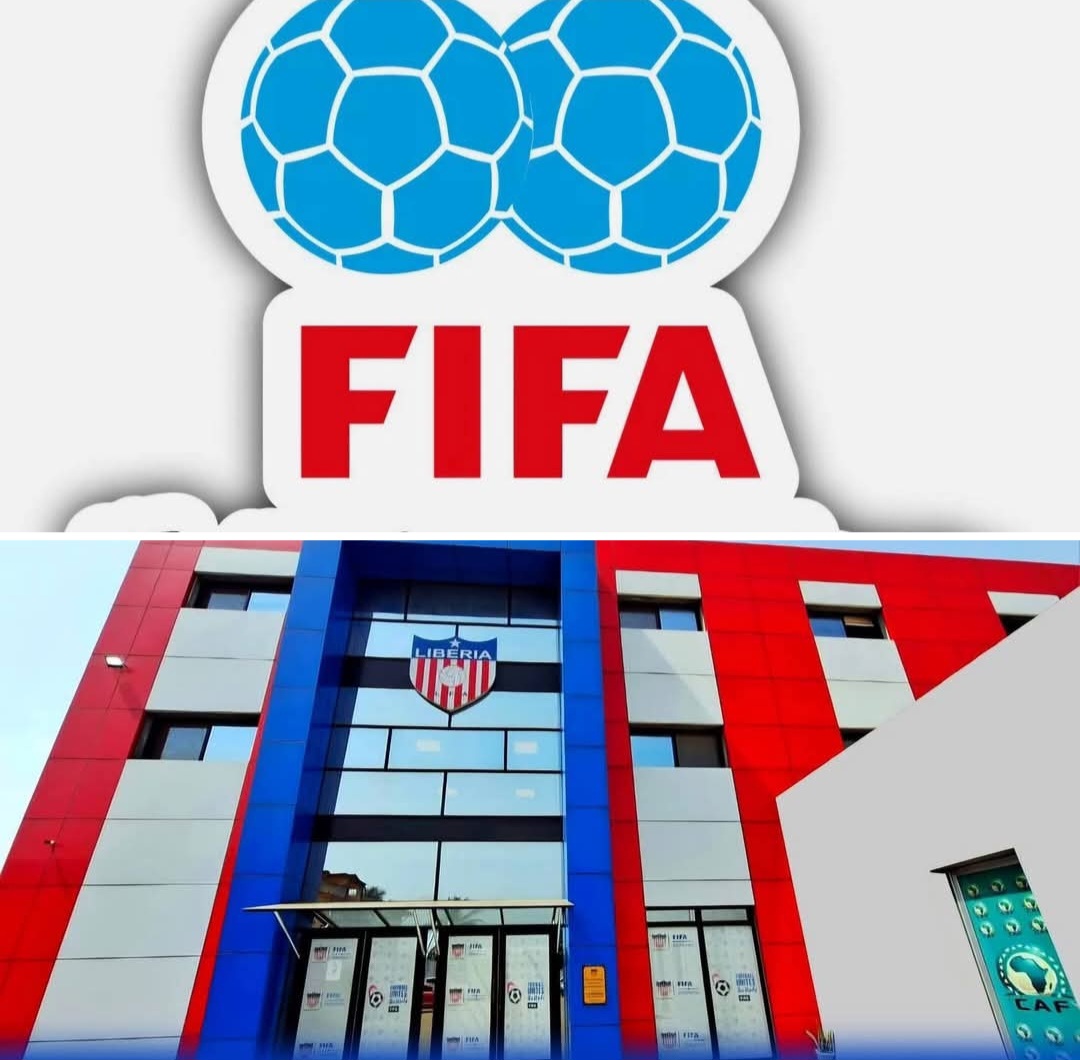
Liberia’s football community is once again at the center of a growing governance battle after a Civil Law Court ruling reopened the path for elections at the Liberia Football Association (LFA) a decision now triggering fears of possible confrontation with FIFA, the world governing body for football.
At the heart of the controversy is a long-standing principle that FIFA has repeatedly enforced across the globe:
football associations must operate independently and free from political or third-party interference.
That rule has led to sanctions, suspensions and international embarrassment for countries such as India, Pakistan, Chad and Zimbabwe in recent years.
Now, with Liberia’s election process revived by the courts, many analysts warn that the country could be entering dangerous territory if the dispute escalates beyond football institutions.
Court Victory Opens New Chapter But Also New Risks
The court decision effectively lifted restrictions that had stalled the LFA electoral process, meaning aspirants may now proceed to apply for various positions.
However, legal and football experts note that the ruling does not automatically guarantee eligibility for every candidate.
The next crucial step lies with the LFA
Elections Commission, which must vet all applicants according to the federation’s constitution and electoral code.
One of the most debated provisions is Article 58 of the LFA Statutes, which reportedly bars individuals with criminal convictions from contesting elections.
Observers say this clause could become decisive.
Anthony Cassell Kouh at Center of Integrity Debate
One of the most prominent figures linked to the case is Anthony Cassell Kouh, a businessman and former Vice President for Operations of the LFA and Chief Executive Officer of first division club, FC Fassell.
Ironically, critics point out that Kouh was part of the football administration in 2017, when reforms to the LFA statutes were introduced.
Now, some argue he could be affected by the very integrity rules established during that era, due to past criminal convictions in the United States.
Supporters counter that Kouh has already served his punishment and deserves the right to participate.
But FIFA has historically taken a hard line on integrity standards, particularly regarding criminal records and governance transparency.
The dispute has therefore moved beyond one man’s candidacy into a broader clash between individual rights and institutional rules.
If Liberia Heads to Supreme Court, FIFA Alarm Bells Could Ring
Should any rejected aspirant challenge the Elections Commission in Liberia’s Supreme Court, football insiders say the issue could become even more sensitive.
Why? Because FIFA has often viewed intervention by state courts in football administration as a form of external interference.
That exact scenario played out in India in 2022, when the country’s Supreme Court removed federation leaders and appointed a committee to run football.
FIFA responded by suspending India and stripping it of hosting rights for the FIFA U-17 Women’s World Cup.
India’s suspension was lifted only after football autonomy was restored.
Liberia now faces comparisons to that precedent.
Four Nations Punished by FIFA: The Warning Signs
- Pakistan — Multiple Suspensions
Pakistan has suffered repeated FIFA suspensions in 2017, 2021 and 2025 due to governance disputes and third-party control.
In 2021, rival groups reportedly seized federation headquarters, prompting FIFA to intervene.
Consequences:
International ban
Frozen FIFA development funds
Loss of tournament participation
- Chad — Government Takeover
In 2021, Chadian authorities dissolved the football federation and assumed control of operations.
FIFA suspended the country until independence was restored.
- Zimbabwe — Political Control
Zimbabwe was suspended in 2022 after state authorities dissolved the national football association and installed administrators.
Its teams missed continental and FIFA competitions.
- India — Supreme Court Intervention
India’s case became one of FIFA’s clearest examples of judicial interference.
The suspension caused major embarrassment as India lost hosting rights for a FIFA tournament before reforms were accepted.
What FIFA Suspension Would Mean for Liberia
If Liberia were suspended, consequences could be severe:
National Team Impact
Liberia’s men’s and women’s teams barred from international matches
No World Cup qualifiers
No AFCON qualifiers
Club Football Impact
Liberian clubs banned from CAF tournaments
Financial Losses
Suspension of FIFA grants
Loss of infrastructure and youth development funding
Reputational Damage
International image setback
Investor and sponsorship concerns
For a football nation still rebuilding infrastructure and competitiveness, such punishment would be costly.
D. Zeogar Wilson Urges National Interest First
Former Youth and Sports Minister D. Zeogar Wilson, speaking on local radio, called on football stakeholders to prioritize Liberia over personal ambitions.
He urged decision-makers to “see the bigger picture,” stressing that national football interests must outweigh politics or individual agendas.
His intervention reflects a growing concern among former officials and supporters that Liberia’s football future is being placed at risk during a critical moment.
A Battle Bigger Than Football
The crisis now centers on a fundamental question:
Should individual legal rights override football statutes?
Or must national associations strictly obey FIFA governance rules?
For Liberia, the answer may determine whether the nation proceeds with peaceful elections or joins the list of countries suspended from world football.
As history has shown in India, Pakistan, Chad and Zimbabwe, FIFA rarely hesitates when it believes football autonomy is threatened.
Liberia now stands at a crossroads where one election dispute could shape the future of the nation’s game.
