




By: Julius Konton
President Joseph Nyuma Boakai has placed legislation at the center of his governance strategy, portraying the passage and proposal of key laws as essential tools for reforming Liberia’s political institutions, stabilizing the economy, and reshaping the country’s post-conflict governance architecture.
Yet, while the administration touts progress made in 2025, critics argue that delays, controversial bills, and unresolved reforms expose deeper structural challenges facing the Liberian state.
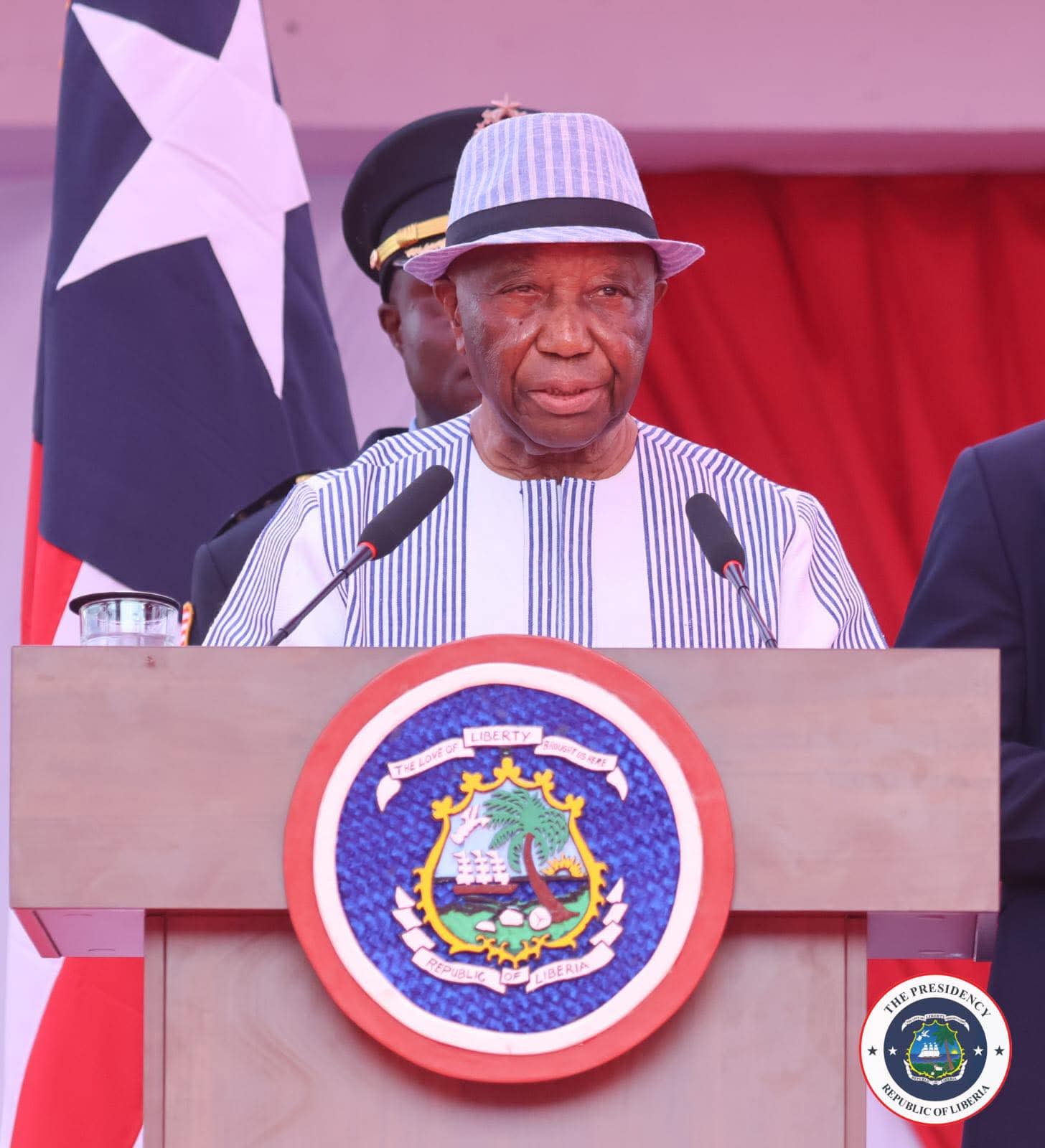
Delivering his Third State of the Nation Address, President Boakai outlined what his administration describes as a reform-driven legislative agenda, emphasizing collaboration with the Legislature to “strengthen institutions, grow the economy, and improve the well-being of all Liberians.”
The address, however, has since ignited debate over whether Liberia is witnessing a genuine reform moment or a familiar cycle of ambitious promises constrained by political realities.
Passed Laws: Progress or Symbolism?
Among the most significant legislative achievements of 2025, President Boakai highlighted the passage of the Ministry of Local Government Act, a long-anticipated law designed to decentralize governance and empower local authorities.
Decentralization has been a policy aspiration since Liberia’s post-war reconstruction era, yet successive administrations have struggled to transfer real political and fiscal power away from Monrovia.
Supporters say the law could mark a turning point by improving grassroots participation and service delivery.
Skeptics, however, warn that without adequate funding, trained personnel, and political will, decentralization risks becoming another paper reform.
The administration also secured passage of the Liberia National Tourism Authority Act, aimed at unlocking economic growth by leveraging Liberia’s beaches, rainforests, and cultural heritage.
Tourism currently contributes only a marginal share to Liberia’s GDP, lagging behind regional peers, raising questions about whether infrastructure gaps and security perceptions will undermine the law’s intended impact.
Other enacted measures include the establishment of a National Food Assistance Agency, a response to chronic food insecurity affecting nearly half of Liberia’s population and the ratification of nine financing agreements with bilateral and multilateral partners.
While these agreements inject much-needed capital, critics caution that Liberia’s rising debt exposure must be carefully managed to avoid fiscal distress.
Pending Bills Expose Legislative Fault Lines
Despite these advances, President Boakai used his address to express frustration over stalled legislation, warning that delays threaten economic growth and institutional credibility.
At the center of this impasse is the Presidential Transition Act, intended to formalize the transfer of power between administrations.
Liberia’s past transitions most notably those marked by political tension and administrative uncertainty have underscored the absence of clear legal procedures.
Analysts argue that failure to pass the law leaves the country vulnerable to instability during future elections.
Also pending are bills to establish a Civil Service Commission, widely viewed as critical to curbing patronage and professionalizing public service, and the Third Amendment to the Mineral Development Agreement with ArcelorMittal.
The latter has generated intense public scrutiny, with civil society groups demanding transparency and stronger guarantees for local communities affected by mining operations.
Anti-Corruption Agenda: Bold Reforms or Political Risk?
Perhaps the most controversial element of Boakai’s legislative push lies in his proposed anti-corruption amendments, including laws targeting illicit enrichment and the removal of the statute of limitations on corruption cases.
While anti-graft advocates praise the proposals as overdue, political observers note that such reforms could unsettle entrenched interests across government.
Liberia consistently ranks low on global corruption indices, and past administrations have struggled to translate anti-corruption rhetoric into convictions.
Whether Boakai’s proposals signal a genuine break from that pattern remains an open question.
2026 Legislative Pipeline: Ambition Meets Reality
The President outlined an expansive legislative agenda for 2026, including bills to establish a National Planning Commission, a specialized land disputes court, and a National Road Authority institutions aimed at addressing chronic planning failures, land conflicts, and infrastructure decay.
Proposals for universal health insurance and reforms to the University of Liberia’s charter further underscore the administration’s reformist narrative.
However, funding constraints, legislative resistance, and administrative capacity raise doubts about how many of these proposals can realistically be implemented.
The planned repeal of outdated People’s Redemption Council (PRC) era decrees has also reopened historical debates, with some viewing the move as necessary modernization, while others warn against erasing institutional safeguards without adequate replacements.
Executive Orders and Institutional Balance
Beyond legislation, President Boakai revealed that his administration issued sixteen Executive Orders in 2025 to advance governance and economic priorities.
While constitutionally permitted, governance experts caution that overreliance on executive authority can strain the balance of power if legislative processes continue to lag.
A Reform Moment Under Pressure
President Boakai concluded with a call for cooperation among the branches of government, framing reform as a collective national responsibility.
Yet Liberia’s history suggests that reform agendas often falter not at the level of ideas, but in execution.
As the country enters 2026, the question remains whether Boakai’s legislative drive will translate into durable institutional change or whether political resistance, capacity constraints, and old governance habits will once again blunt Liberia’s reform ambitions.
What is clear is that the stakes are high, and the coming legislative battles may define not only Boakai’s presidency, but Liberia’s governance trajectory for years to come.


