


By: Julius Konton
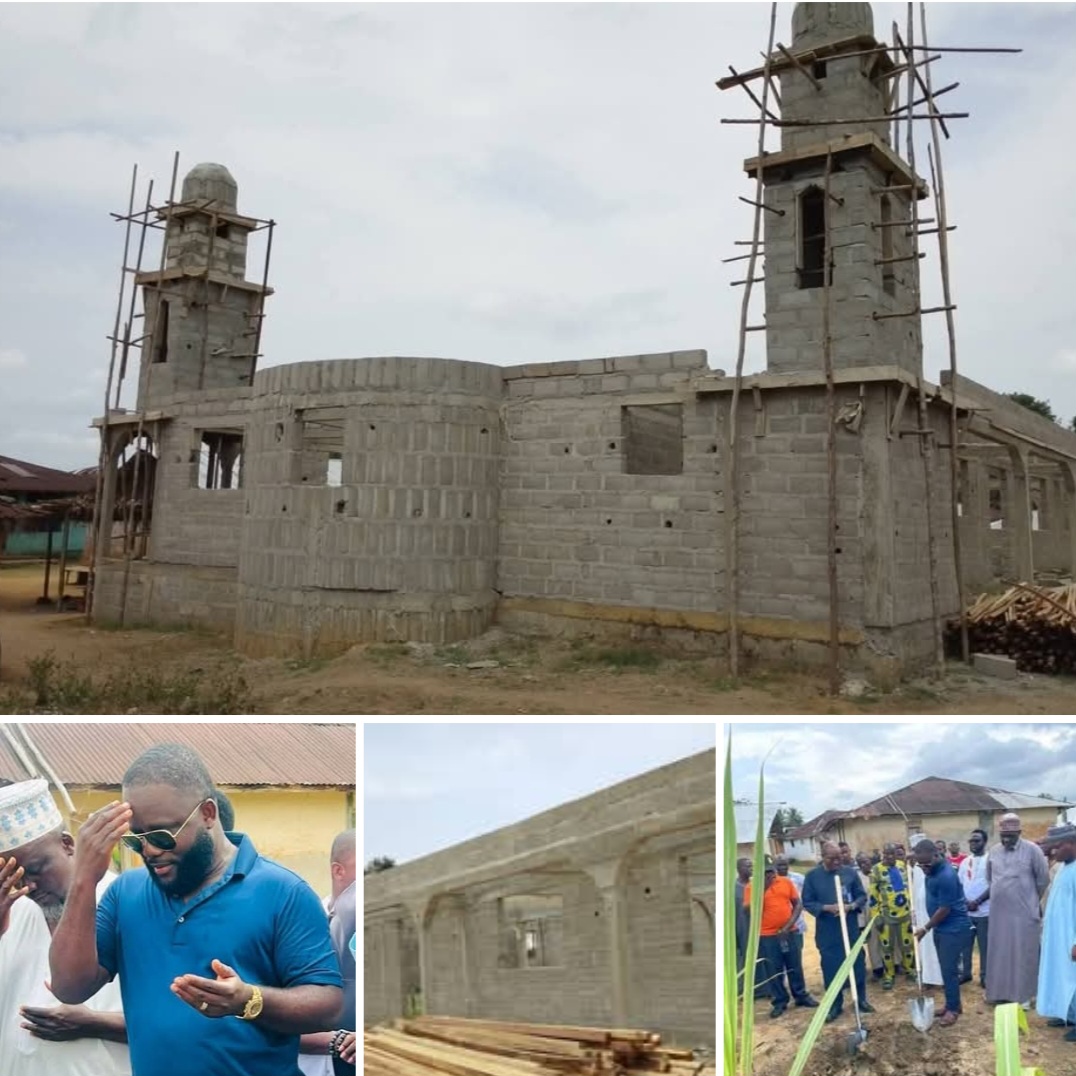
In an era where citizens increasingly judge leaders by their visible impact on communities, Managing Director of the National Port Authority, Sekou Hussein Dukuly, is earning praise for a significant contribution toward the construction of a mosque in Big Geweh Town, Bomi County.
According to local sources, the project received an estimated US$25,000 contribution, helping accelerate work on the mosque, which is now reportedly approaching completion.
Residents say the initiative represents more than the building of a place of worship, it symbolizes hope, unity, and a renewed sense of development in the area.
The donation comes at a time when community infrastructure remains a challenge across many rural parts of Liberia.
According to national development assessments, access to modern public facilities, educational centers, and religious institutions remains limited in several counties outside the capital.
Projects such as this therefore carry both spiritual and socio-economic significance.
A Mosque With a Broader Mission
Speaking during the groundbreaking ceremony, Hon. Dukuly reportedly emphasized that the mosque would not serve only as a center for prayer, but also as a multi-purpose community institution.
Observers note that in many African societies, mosques often function as centers for:
Religious education
Youth mentorship
Conflict mediation
Community meetings
Charity distribution
Moral guidance and counseling
By supporting a structure with such a broader mandate, Dukuly’s initiative is being viewed as an investment in long-term community empowerment rather than a one-time charitable gesture.
Balancing National Duty with Community Responsibility
As head of the National Port Authority, Dukuly oversees one of Liberia’s most strategic economic institutions.
The NPA manages the country’s major seaports, including the Freeport of Monrovia, which handles a large share of national imports and exports.
Liberia’s port sector remains central to trade, customs revenue, and supply chains, making the NPA a vital engine of economic activity.
Yet despite these national responsibilities, analysts say Dukuly’s engagement at the local level demonstrates a leadership model that connects public office with grassroots service.
“Strong leadership is not only measured in policy papers or boardrooms,” one local elder noted. “It is measured in what people can see and feel in their communities.”
Promoting Unity in a Diverse Nation
Liberia is home to a rich mix of religious traditions, with Christianity and Islam representing the country’s two largest faith communities.
Historians often cite Liberia as one of West Africa’s examples of relative religious coexistence.
By supporting a Muslim community project while serving in a national public role, Dukuly’s action has been interpreted by many as a message of tolerance, inclusion, and national unity.
Experts say such gestures are important in multi-faith democracies, where leaders are expected to respect diversity while encouraging peaceful coexistence.
Bomi County’s Historical Importance
Bomi County, located northwest of Monrovia, is one of Liberia’s historically significant counties. Created in 1984, the county has long been known for mining, agriculture, and vibrant local trade networks.
However, like many rural counties, it continues to seek greater investment in roads, schools, healthcare, and social institutions.
Residents of Sweh Mecca District say projects like the mosque can help stimulate local engagement and provide a rallying point for community development.
A Leadership Style Focused on Long-Term Impact
Sources close to the project say Dukuly has pledged continued engagement with communities in Bomi County and beyond.
That commitment signals a broader development philosophy rooted in sustained partnerships rather than short-term visibility.
Development specialists often note that sustainable progress depends on three key pillars:
Consistent leadership support
Community participation
Transparent use of resources
If maintained, such partnerships can create ripple effects that extend beyond one project to education, social cohesion, and local enterprise.
Public Reaction and National Implications
Across social and community circles, many Liberians have welcomed the move as a refreshing example of leadership beyond official mandates.
Others say it should inspire more public servants and private citizens to invest in community-driven initiatives nationwide.
At a time when public trust in institutions is increasingly linked to accountability and service delivery, symbolic and practical acts of development carry strong political and moral value.
Service Beyond Title
As the Big Geweh Town mosque nears completion, it stands not only as a building of worship, but as a monument to community partnership and responsible leadership.
For many in Bomi County, Sekou Hussein Dukuly’s contribution reflects a leadership style grounded in service, humility, and practical impact.
Whether viewed through the lens of faith, development, or public responsibility, the message is clear: true leadership is measured not merely by office held, but by lives touched.


