


By: Julius Konton
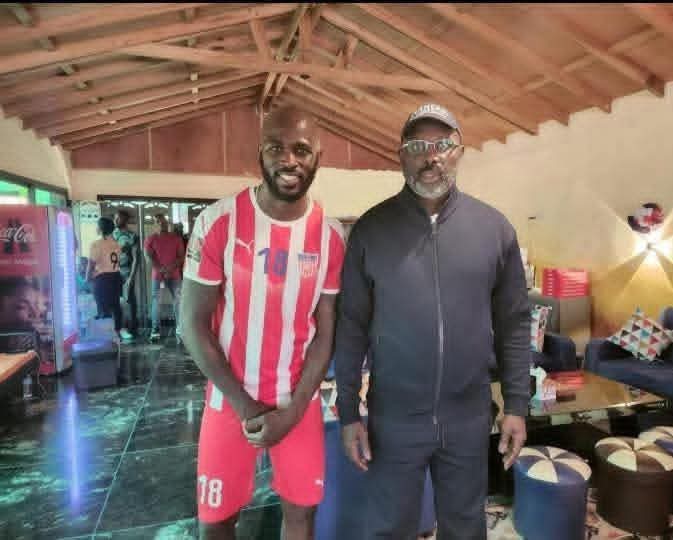
Former Liberia national team captain and celebrated striker Anthony S. Laffor has mounted a passionate defense of football legend and former Liberian president George Weah, amid growing public debate, criticism, and counter-criticism surrounding the ex-global football icon’s contributions to Liberian football and national team development.
Speaking strongly in support of the former world football superstar, Laffor dismissed recent criticisms targeting Weah, insisting that Liberia’s football history cannot be discussed without recognizing the extraordinary sacrifices, investments, and opportunities the former Ballon d’Or winner created for countless Liberian players over decades.
According to Laffor, George Weah remains an unmatched figure in Liberian football history, a player whose legacy transcends trophies and extends deeply into human development, mentorship, and national pride.
“There is only one king and the greatest of all, and he is George Weah,” Laffor declared.
“People may disrespect him or call him names, but in my opinion, he has done well for football.”
A Legacy Beyond the Pitch
George Weah’s football achievements remain historically unmatched on the African continent.
In 1995, Weah became the first and only African footballer to win the prestigious Ballon d’Or, while also securing the FIFA World Player of the Year award and the African Footballer of the Year honor in the same era, achievements that elevated Liberia’s global profile and inspired generations of African athletes.
During his illustrious club career, Weah played for elite European clubs including , AC Milan, PSG, and , scoring hundreds of goals and becoming one of Africa’s most celebrated football exports.
For a nation of fewer than six million people, Liberia’s visibility on the world football map became inseparable from George Weah’s name.
Yet Laffor argues that the football legend’s greatest contribution may not lie solely in statistics, trophies, or international fame, but in the lives he impacted behind the scenes.
“He Helped Liberian Players” ; Laffor Reflects
Laffor stressed that Weah’s generosity during his playing career helped several Liberian footballers pursue opportunities and sustain careers at difficult moments.
“In his playing days, he helped many Liberians, including myself, Ben Teekloh, and others,” Laffor emphasized.
He further rejected accusations suggesting Weah failed Liberian football while serving as president of the country, reminding critics that Weah never occupied football administrative positions such as Sports Minister or President of the Liberia Football Association.
“George Weah was never Sports Minister, neither was he President of the Liberia Football Association,” Laffor argued.
“He was President of Liberia; not President for football.”
Laffor’s comments appear aimed at reframing expectations surrounding Weah’s role, particularly amid criticisms that Liberia’s football structures and national team performance did not significantly improve during his political leadership.
The ‘Weah 11’ Legacy and Lingering Questions
The former Lone Star captain also questioned the timing of renewed criticism coming from some former players associated with the famous “Weah 11”, a group of players reportedly supported and financed by Weah during Liberia’s football campaigns in the late 1990s and early 2000s.
Laffor openly wondered why grievances allegedly dating back to 2002 are surfacing publicly only now.
“For those former players who played on the famous Weah 11 and have issues with him since 2002 , why only now?” he questioned.
The “Weah 11” era remains a significant chapter in Liberian football history.
During periods of institutional weakness and financial struggles, George Weah was widely reported to have personally funded travel, logistics, allowances, equipment, and operational support for Liberia’s national team, helping the country remain competitive in international football despite limited resources.
Liberia Football: Progress, Expectations, and Public Debate
Liberia has historically struggled to maintain consistent continental football success despite producing elite talents.
The senior national football team, the Lone Star, has rarely reached major tournament heights, and public frustration around infrastructure, youth development, and administrative consistency continues to fuel intense national debate.
For supporters of George Weah, however, criticism often overlooks his symbolic and practical contributions to football development, from sponsoring players to using his global profile to inspire Liberia’s sporting ambitions.
To admirers such as Anthony Laffor, George Weah remains not simply a football legend but a transformational figure whose influence helped shape careers and national identity.
A Football Legacy Still Inspiring Generations
Even years after retiring from professional football and leaving public office, George Weah’s influence continues to dominate sporting conversations across Liberia and Africa.
For many Liberians, his rise from the streets of Monrovia to global football immortality remains one of the continent’s most powerful stories of resilience and possibility.
As public debate intensifies, Anthony Laffor’s message is unmistakable: history, he believes, should judge George Weah not only by criticism or politics, but by decades of sacrifice, mentorship, opportunity, and service to Liberian football.
In Laffor’s words, Liberia may produce many stars but there remains “only one king.”


