


By: Julius Konton
In a season marked by injuries, player departures, internal pressure and declining form, Liberia’s reigning football champions, Watanga Football Club, have emerged as a symbol of resilience after completing a remarkable title-winning campaign that many believed was beyond reach.
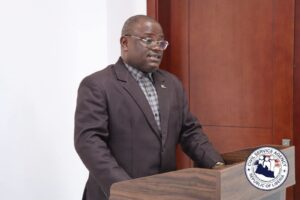
In an emotional post-season message to players, supporters and stakeholders, club Chief Executive Officer G. Andy Quamie reflected on what he described as one of the club’s most difficult journeys to championship success, paying tribute to athletes, technical staff, administrators, sponsors and private backers whose contributions sustained the team during a turbulent season.
“Many people thought we were done,” Quamie declared, recalling a period in which the club appeared vulnerable after losing experienced and influential players while grappling with a devastating injury crisis.
The triumph represents another milestone for one of Liberia’s increasingly competitive football institutions in a domestic football ecosystem where financial instability, player migration and limited medical resources often undermine club consistency.
Football remains Liberia’s most followed sport, with the country’s top-flight league serving as a platform for youth development and regional talent exposure.
A Season Defined by Departures and Setbacks
According to Quamie, Watanga’s title defense appeared threatened after the departure of several prominent figures, including Nelson Laomie, Daniel Nyemah (popularly known as Raul), Pewee Zaza Roberts, Hassan Fadiga, Nuch Zohn and Phillip Tarnue.
The departures raised concerns over squad depth and tactical continuity, particularly in a league where experienced players often provide leadership and stability during difficult stretches of competition.
The situation worsened after the annual county tournament, the National County Sports Meet, one of Liberia’s largest sporting competitions and a traditional talent pipeline for local clubs.
Following the tournament, multiple Watanga players reportedly returned injured or physically diminished.
Midfielder Isiaka Bayo suffered an injury setback, while Teddy Kollie returned with a broken finger. Varney B. Varney Jr. reportedly experienced a decline in form and performance, while leading striker Darius Garmondeh suffered knee complications alongside muscle damage, he explained.
One of the club’s most painful blows came through the injury of Henry Diah, popularly known as “Kaka,” whose severe knee injury sidelined him indefinitely.
Quamie disclosed that Diah’s physical struggles evolved into psychological distress, underscoring the emotional toll elite football injuries can impose on athletes.
Sports medicine experts globally note that serious knee injuries can affect not only physical performance but also confidence, emotional wellbeing and long-term career trajectories, especially among players competing in leagues with limited rehabilitation infrastructure.
League Slide Raises Alarm
Watanga’s struggles soon translated into poor results.
Back-to-back defeats against LPRC Oilers, followed by frustrating draws against Wologizi FC and Paynesville FC, caused the club to tumble from first place to fourth in league standings.
“The confidence of the team dropped,” Quamie explained, describing a dramatic decline in morale during one of the most uncertain periods of the campaign.
The downturn reportedly intensified internal pressure, with concerns emerging over the departure of key players seeking opportunities abroad or elsewhere in pursuit of improved financial prospects, a common trend across African domestic leagues.
Quamie acknowledged that coaching frustrations also surfaced during the difficult period, with tension reportedly growing between technical leadership and club administration over injuries, recruitment decisions and squad management.
Betting on Youth Amid Crisis
Rather than pursuing expensive transfers, Watanga opted for an unconventional strategy: investing in young, relatively inexperienced players sourced from lower divisions and the National County Sports Meet.
The club recruited Choice Howard, Sampson Gborie, Kpakio Momolu and Hilary King players, Quamie said entered the top division with little or no elite league experience.
That gamble ultimately proved decisive.
Despite skepticism, the youthful additions contributed to Watanga’s resurgence as the club regained momentum and overcame major domestic rivals, including LISCR FC, FC Fassell and Bea Mountain FC on the road to championship success.
The strategy mirrors a growing trend in African football where clubs increasingly rely on youth development systems to counter financial limitations and player departures while building long-term sustainability.
Looking Beyond the Trophy
Despite the celebrations, Quamie stressed that Watanga’s ambitions extend far beyond one domestic title.
“The future of the club is okay,” he said, expressing confidence in what he described as one of Liberia’s brightest pools of emerging football talent.
He urged supporters to celebrate the championship while simultaneously preparing for the next chapter, declaring that preparations for the upcoming season had effectively already begun.
“Celebrate your club championship in grand style,” Quamie stated. “The pre-season has just started.”
For Watanga supporters, the title symbolizes more than sporting success, it represents persistence through adversity, belief amid uncertainty and proof that youth, resilience and institutional faith can transform a season of despair into championship glory


