
By: Julius Konton
Liberia is intensifying efforts to address the hidden psychological scars left by decades of civil conflict, as civil society organizations, academic institutions, and international partners expand trauma-informed peacebuilding initiatives across the country.
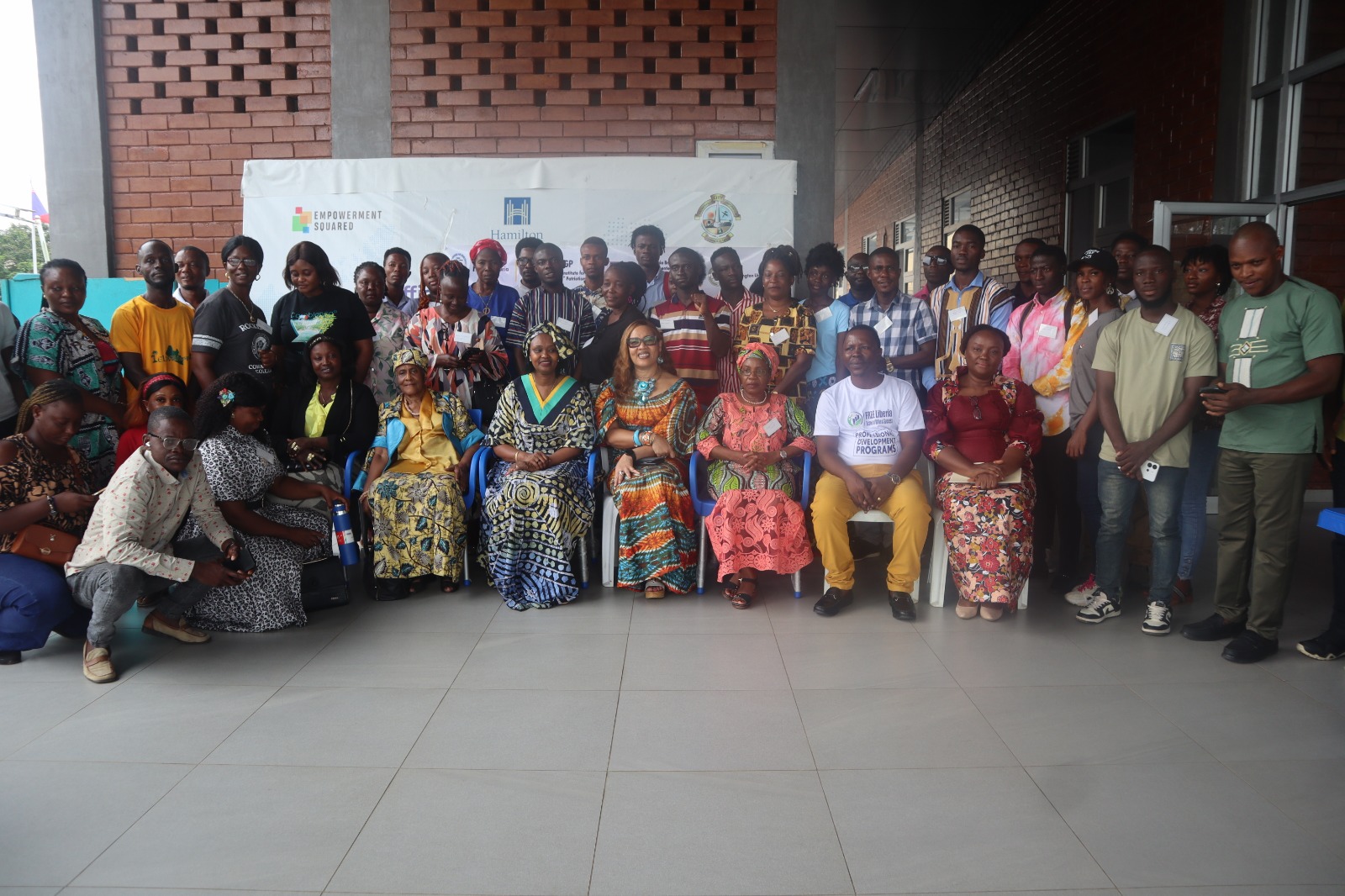
On Wednesday, December 17, 2025 , the Foundation for Research, Education & Empowerment (FREE Liberia), in partnership with the Liberia Institute for “Growing” Patriotism (LIGP), the Angie Brooks International Centre for Women’s Empowerment, Leadership Development, International Peace & Security (ABIC), and Cuttington University, convened a one-day Trauma Relief Cluster Training at the Liberia Learning Center in Paynesville.
Held under the theme “Healthy People Build a Peaceful Nation,” the training aligns with Liberia’s broader peace consolidation framework under the Rev. William R. Tolbert III Chair for Peacebuilding, Mediation, Conflict Resolution, Reconciliation, and National Unity, launched by President Joseph N. Boakai, Sr. in May 2024.
The initiative supports the government’s Sustaining Liberia’s Peace Agenda, which emphasizes social cohesion, reconciliation, and inclusive governance.
Addressing a Lingering National Challenge
More than 45 participants drawn from government agencies, civil society organizations, community groups, faith-based institutions, and the security sector took part in the Paynesville training.
The program focused on understanding trauma, its long-term effects on individuals and communities, and the role emotional well-being plays in preventing violence and strengthening democratic stability.
Liberia’s two civil wars, which spanned from 1989 to 2003, claimed an estimated 250,000 lives and displaced nearly one-third of the population, according to United Nations data. While the country has enjoyed over two decades of relative peace, experts say unresolved trauma continues to undermine social trust, youth development, and community cohesion.
“National rebuilding is not only about roads and institutions,” said Dr. Charles Gbollie, Chief Executive Officer of FREE Liberia.
“It also requires inner healing. Without addressing trauma, peace remains fragile.”
Leadership Reflections and Personal Testimonies.
The opening session featured reflections from national and institutional leaders. Rev. Fr. Terry M. Quoi welcomed participants and highlighted the enduring legacy of the late Rev. Emmanuel Bowier, a key advocate of Liberia’s peace and reconciliation efforts.
Dr. Romelle A. Horton, President of Cuttington University, underscored the responsibility of academic institutions to shape values of peace and civic responsibility among future leaders.
Former Foreign Minister Olubanke King-Akerele, now Executive Director of LIGP, emphasized patriotism, citizenship, and national pride as essential pillars of sustainable peace.
A particularly poignant moment came with remarks by Christine N. Umutoni, United Nations Resident Coordinator to Liberia.
Drawing from her personal experience as a survivor of the 1994 Rwanda genocide, she spoke about resilience, healing, and the power of collective compassion.
“Trauma does not have to define a person or a nation,” Umutoni told participants. “Healing is possible, and when communities heal together, peace becomes durable.”
Practical Skills for Community Impact
Facilitators led sessions on emotional regulation, positive coping mechanisms, countering hate speech, violence prevention, and responsible citizenship.
Participants engaged in dialogue and reflection, learning how trauma-informed approaches can be applied within families, workplaces, and local communities.
The training concluded with the presentation of certificates and commitments from participants to replicate the knowledge gained within their respective institutions and neighborhoods.
Growing National Demand
The Paynesville session follows a similar Trauma Relief Cluster Training in Kakata in November, which attracted more than 120 participants, signaling growing nationwide demand for psychosocial support and peace education.
FREE Liberia announced that a post-training report and documentary highlights will be released in the coming days, alongside plans to expand trauma relief programming to additional counties.
As Liberia continues its post-conflict recovery, organizers say the message from Paynesville is clear: lasting peace depends not only on political stability, but on emotionally healthy citizens equipped to heal, reconcile, and build trust across generations.
Editor’s Note:
Liberia’s post-war journey has largely been told through the lens of political stability, elections, and institutional reform.
Yet, as this report highlights, the deeper work of healing the psychological wounds left by years of violent conflict remains one of the nation’s most urgent and least visible challenges.
Trauma, when unaddressed, continues to shape social relations, youth behavior, and community trust often in ways that threaten the sustainability of hard won peace.
This article draws attention to a growing shift in Liberia’s peacebuilding discourse: from rebuilding physical infrastructure alone to restoring emotional and social well-being.
The trauma relief initiatives described here underscore the increasing recognition among civil society, academia, and international partners that peace is not merely the absence of war, but the presence of healed, resilient citizens.
As Liberia advances its Sustaining Peace Agenda under a new political dispensation, efforts such as these serve as a reminder that national reconciliation is both a policy priority and a deeply human process.
Addressing trauma at the community level may prove to be one of the most enduring investments in safeguarding Liberia’s future peace and unity.
