
By: S. Nimely Sonpon
A massive corruption scandal has erupted in Liberia following the indictment of seven high-profile individuals, including former government officials and civil society leaders, over the alleged diversion of millions of dollars intended for vulnerable rural women.
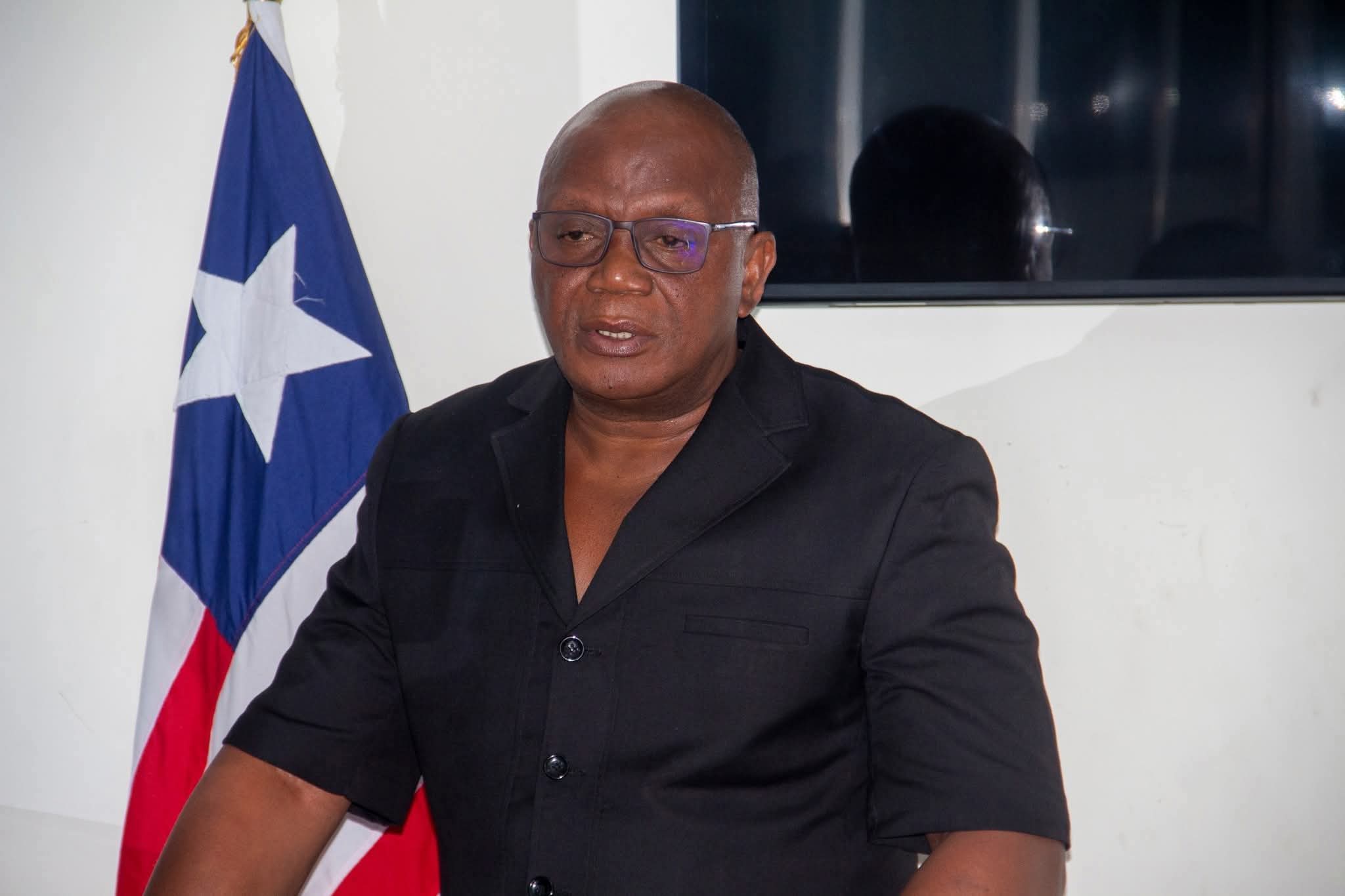
At a press briefing, Cllr. Edwin Kla Martin of the Asset Recovery and Property Retrieval Taskforce (AREPT) confirmed that Criminal Court “C” has issued its fourth indictment in connection with the ongoing investigation.
According to AREPT, the Government of Liberia allocated US$2 million in the 2023 fiscal year for the Vulnerable Small Business Support Program, aimed at empowering rural women, including farmers, marketers, and small business owners.
However, investigators revealed that US$1,819,469.43 was disbursed and allegedly diverted for personal use, depriving thousands of intended beneficiaries of critical financial support.
“This is not speculation,” Martin stated. “Our findings are based on credible, tangible evidence linking the accused to the crimes.”
Those indicted include Mawine G. Diggs, former Minister of Commerce and Industry; Gudi J. N. Neufville, Financial Comptroller at the Ministry of Commerce; Joseph Yado Howe, former Senior Policy Advisor; Kebeh Monger, President of the National Rural Women Structure of Liberia.
Others include Elizabeth Finda Sambulah, President of the Liberia Marketing Association; Josephine Handful Greens, former Secretary General of the National Rural Women Structure; and Kemmoh Borbor, Cashier at the Ministry of Commerce.
They face charges including theft of property, economic sabotage, misapplication of entrusted property, and criminal conspiracy.
AREPT Boss dismissed public concerns about delays in releasing updates, noting that the period since November 2025 was spent conducting detailed and methodical investigations.
“There will be no witch-hunt,” Martin emphasized. “Every indictment is grounded in evidence—not hearsay, not politics.”
The taskforce further assured that all accused individuals were granted due process and participated in the investigation with legal representation, in line with 1986 Constitution of Liberia.
Meanwhile, authorities warned that additional arrests could follow as more corruption cases remain under investigation, including efforts to trace and recover public funds allegedly hidden abroad.
“This is just one step,” Martin added. “We will pursue every lead and ensure accountability.”
The unfolding case is considered one of the most significant anti-corruption crackdowns in recent years, signaling intensified efforts to hold both public officials and civil society actors accountable.
