
By: Laymah Kollie
The Government of Liberia has launched a modern organic composting facility in Fiamah, marking a major step forward in improving waste management and promoting environmental sustainability in the country.
The project, implemented through the Environmental Protection Agency and the Monrovia City Corporation, in collaboration with international partners, is designed to convert organic waste into high-quality compost for agricultural use.
Authorities say the initiative will also reduce pressure on landfills and significantly cut methane emissions, a major contributor to climate change.
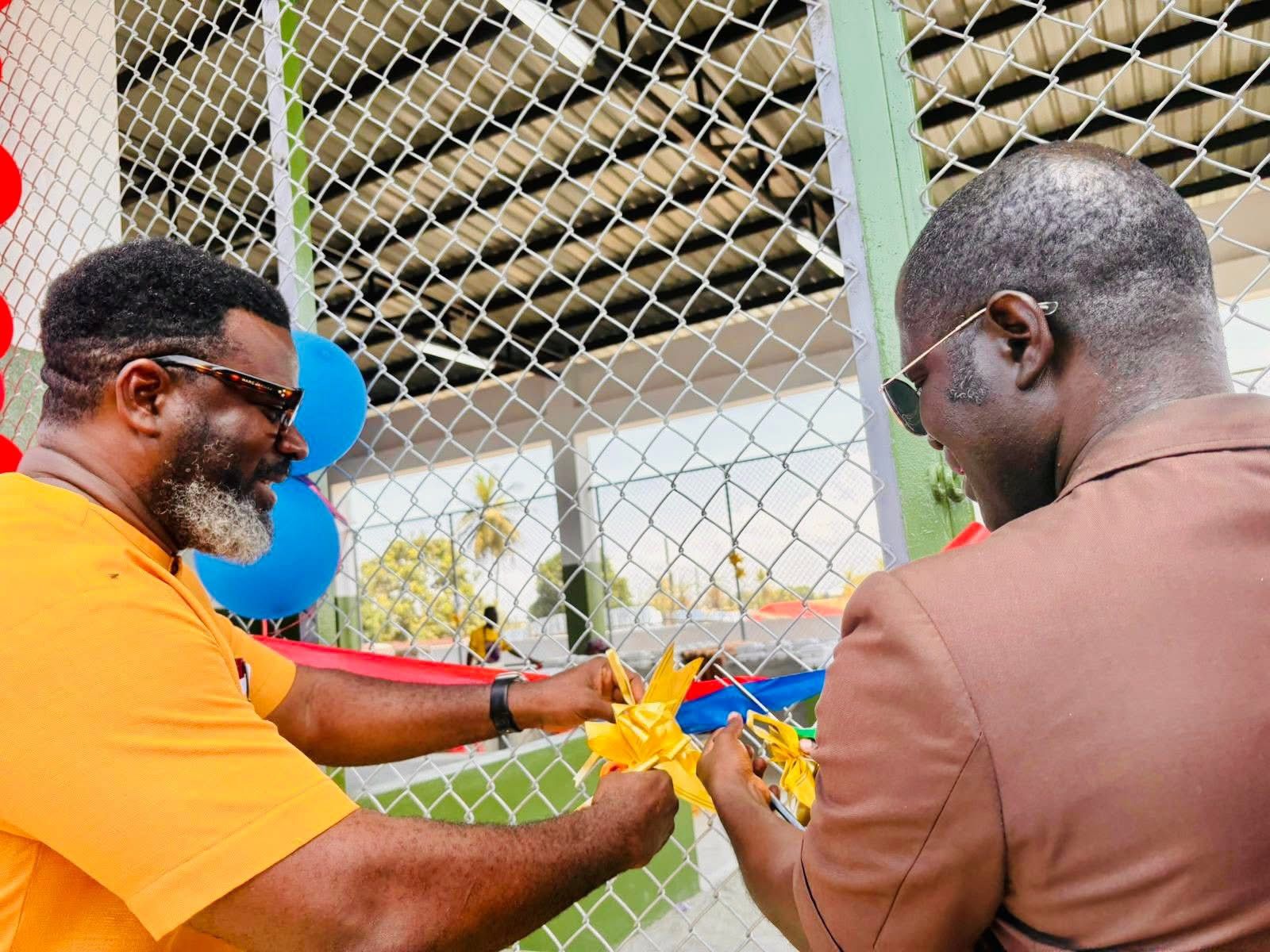
At the commissioning ceremony, a representative of the MRV for Climate Action Initiative, Christopher Gorloff, described the facility as a milestone achievement in Liberia’s environmental management efforts.
“This is a historic day in the evolution of urban services and environmental management in Liberia,” he said, noting that the facility is a “world-class, well-engineered system” that creates new opportunities for sustainable waste utilization.
He added that the plant’s strategic location near wastewater treatment infrastructure and transfer stations enhances its potential to serve as a central hub for integrated waste management, while also supporting nearby urban farming activities.
The project, funded by the Canada, received key support from the Liberia Water and Sewer Corporation, which provided land for the facility. Speaking on behalf of the corporation, Deputy Managing Director for Administration, T. Wilson Gaye, highlighted the economic and social benefits of the initiative.
“This project will not only improve sanitation in Monrovia but also create jobs and generate income opportunities for our people,” he said, urging stakeholders to ensure its long-term sustainability.
Officials from the Ministry of Finance and Development Planning reaffirmed the government’s commitment to scaling up similar projects nationwide, noting that effective waste management is central to President Joseph Nyuma Boakai’s ARREST Agenda for Inclusive Development.
For his part, EPA Executive Director Emmanuel Yarkpawolo described the launch as a bold step toward transforming waste management practices across Liberia.
“This facility represents a significant shift in how we manage waste in Monrovia and beyond,” he said, adding that the initiative aligns with Liberia’s national waste management policy and broader climate goals.
Yarkpawolo further disclosed that the facility will be operated by community-based organizations, a move aimed at empowering local communities, creating green jobs, and encouraging environmental responsibility.
In addition to compost production, authorities revealed plans to expand into waste-to-energy technologies that could convert municipal waste into cooking gas—signaling Liberia’s gradual transition toward a circular economy.
As Liberia continues to grapple with urban waste challenges, the Fiamah composting facility is being hailed as a model of effective collaboration between government, communities, and international partners, offering a sustainable pathway to cleaner cities, improved public health, and economic growth.
