



By: Julius Konton
The four member states of the Mano River Union have concluded a week of high-level deliberations in Freetown by adopting a joint communiqué designed to strengthen financial governance, institutional accountability, and cross-border cooperation across one of West Africa’s most strategically important subregions.
The communiqué was formally endorsed at the close of the 16th Ordinary Session of the Technical Commission on Administration and Finance (TCAF), following intensive consultations involving delegates from Liberia, Sierra Leone, Guinea, and Côte d’Ivoire.
Officials described the agreement as a major step toward modernizing governance systems within the union and ensuring that regional institutions remain credible, efficient, and responsive to the needs of more than 55 million citizens living across the MRU member states.
A Regional Bloc With Historic Significance
Founded in 1973, the Mano River Union was established to promote economic integration and political cooperation among neighboring states connected by the Mano River basin.
Though the union’s progress was interrupted during the civil conflicts that affected parts of the region in the 1990s and early 2000s, the MRU has since re-emerged as a critical platform for peacebuilding, trade facilitation, health coordination, migration management, and security collaboration.
The bloc’s combined GDP is estimated at over US$85 billion, driven by mining, agriculture, energy, shipping, and growing services sectors.
Focus on Audits, Accountability, and Institutional Reform
The Freetown meetings brought together finance ministers’ representatives, auditors, compliance officers, economists, and policymakers to review the financial health of the MRU Secretariat and assess implementation of prior reform measures.
Central to discussions were:
The External Auditor’s Report for Fiscal Year 2024
The Internal Auditor’s Report for 2025
Compliance gaps in financial reporting
Procurement and expenditure controls
Timely settlement of member-state contributions
Institutional efficiency and cost management
Delegates agreed that stronger internal systems are essential if the union is to deliver regional infrastructure projects, trade reforms, and peace initiatives effectively.
Liberia Pushes for Stronger Systems
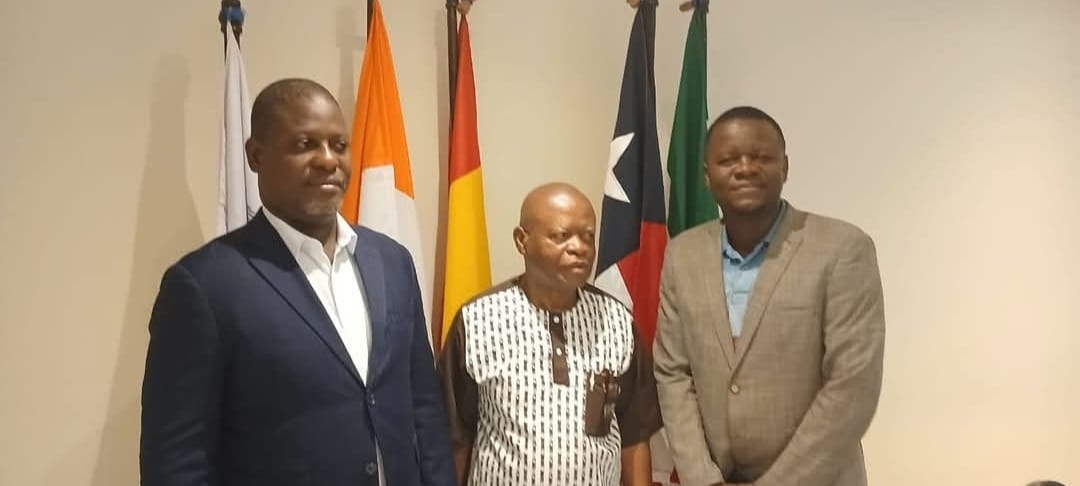
Liberia was represented by senior officials including Allison Telee, Assistant Director for Domestic Debt at the Ministry of Finance and Development Planning, and Mr. Benedict B. Williams, Senior Compliance Officer for Audit Supervision.
Addressing the opening session, Mr. Telee underscored the importance of disciplined financial management in sustaining regional institutions.
“Finance is the backbone of any institution.
Strengthening our systems is not only about accountability, but about ensuring the MRU can effectively deliver on its mandate to the people of our region.”
His remarks were echoed by delegates who stressed that public confidence in regional institutions depends heavily on transparency and measurable results.
Key Commitments in the Freetown Communiqué
According to participants, the newly adopted communiqué contains several strategic commitments, including:
Enhanced Internal Controls
Member states pledged to tighten financial procedures, strengthen procurement safeguards, and reduce vulnerabilities to waste or misuse of resources.
Faster Audit Follow-Up
Governments committed to acting more quickly on audit recommendations and ensuring deficiencies are corrected within clear timelines.
Better Coordination
Closer cooperation between national ministries, supreme audit institutions, and the MRU Secretariat will be prioritized.
Capacity Building
Training for finance officers, auditors, and administrative personnel will be expanded to align systems with international best practices.
Sustainable Financing
Delegates discussed the need for predictable funding through timely payment of assessed contributions by member states.
Peace and Stability Declared Essential for Growth
Beyond finances, delegates emphasized that governance reform cannot succeed without lasting peace and border stability.
The communiqué reportedly called for continued diplomatic engagement to address emerging cross-border tensions, illegal movements, and security concerns that could disrupt trade corridors and development programs.
The MRU region has historically played a central role in West African peacebuilding, including coordinated responses to refugee crises, Ebola outbreaks, and post-conflict recovery efforts.
Sierra Leone Praised for Hosting Successful Summit
The Government of Sierra Leone received praise for hosting the meetings and facilitating what participants described as productive and collegial discussions.
Sessions began with Audit Committee meetings followed by the TCAF deliberations in line with the MRU’s annual governance review calendar.
Attention now shifts from declarations to implementation.
Analysts say the credibility of the communiqué will depend on whether member states translate promises into measurable outcomes such as:
Improved audit compliance rates
Faster budget reporting cycles
Stronger anti-corruption safeguards
Increased regional trade efficiency
Greater confidence in MRU institutions
Stakeholders left Freetown expressing cautious optimism that the latest resolutions could help position the Mano River region as a stronger, more transparent, and more united economic corridor in West Africa.


