


By : Julius Konton
In a significant effort to strengthen unity, deepen understanding of church reforms, and combat misinformation within congregations, the Liberia Annual Conference of The United Methodist Church (LAC/UMC) has concluded an intensive day-long training on peacebuilding, reconciliation, effective communication, and regionalization for members of the Gompa District Conference in northern Liberia.
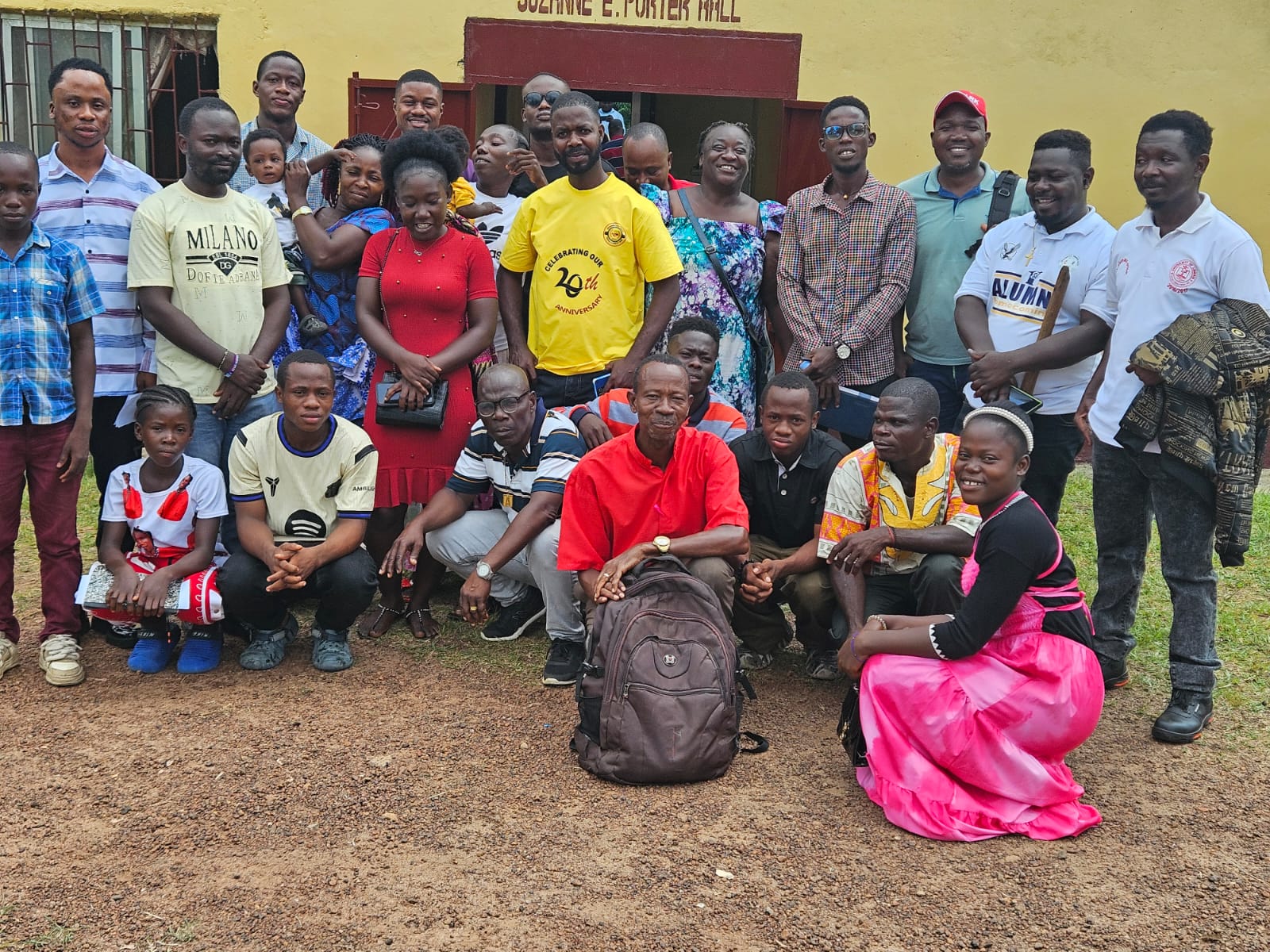
Held at the Suasan Potter Hall within the historic Ganta United Methodist Mission Station in Ganta, Nimba County, the workshop brought together clergy, lay leaders, youth representatives, and church members from local congregations across the Gompa District Conference to engage in dialogue on issues shaping the future of The United Methodist Church in Liberia and globally.
The initiative comes at a critical period for the global Methodist movement as churches across Africa, Europe, Asia, and the Americas continue conversations surrounding denominational governance, church autonomy, doctrinal identity, and regionalization, an institutional restructuring framework aimed at granting greater contextual flexibility to regional church bodies while preserving global unity.
A Church Seeking Peace Amid Transition
Facilitators at the training emphasized that peace and reconciliation remain foundational to the mission of the church, especially during periods of institutional transition and heightened debate.
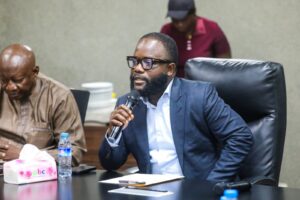
Among the lead presenters were Jefferson B. Knight, Director of the Human Rights Department of the Liberia Annual Conference of The United Methodist Church; Rev. Agripa Hinneh, Vice President for Administration at the College of West Africa; and Charles Gbayor, Press Secretary to the Bishop of the Liberia Annual Conference.
The sessions focused on topics including peace and reconciliation through effective communication, dismantling misinformation and disinformation, conflict prevention, Christian unity, and the implications of regionalization for United Methodists in Liberia and across Africa.
Speaking during the training, Jefferson B. Knight described regionalization as an emerging pathway intended to empower African Methodist churches to maintain fidelity to Christian teachings while responding to local realities, traditions, and legal frameworks.
According to Knight, the model provides opportunities for church communities to worship in alignment with Holy Scripture and denominational governance while thoughtfully considering local marriage laws, customs, and traditions.
He stressed that effective communication remains indispensable to peacebuilding, warning that misinformation and disinformation can undermine trust, deepen divisions, and create unnecessary tensions among believers.
“Peace and reconciliation are central to the church’s mission,” facilitators emphasized, encouraging members to become ambassadors of truth, dialogue, and Christian unity.
Regionalization and the Global Methodist Context
The United Methodist Church is among the world’s largest Protestant denominations, with approximately 10 million to 12 million members worldwide, including a rapidly growing presence across Africa.
In Liberia, Methodism has historically played a prominent role in education, healthcare, and spiritual formation since the nineteenth century, helping establish institutions that continue to shape national development.
Regionalization, a concept receiving increasing attention in global Methodist governance seeks to allow regional conferences greater authority to adapt church policies to cultural and legal realities while remaining connected to the broader denomination.
Church leaders say the process has become particularly important as African congregations seek to preserve theological consistency and social cohesion while addressing questions emerging from broader global conversations within Methodism.
Observers note that faith institutions remain influential actors in peacebuilding across Liberia, particularly in post-war reconciliation efforts following the country’s civil conflicts between 1989–1997 and 1999–2003, periods that displaced hundreds of thousands and left deep social divisions.
Religious organizations have since played a major role in trauma healing, mediation, civic education, and community rebuilding.
District Leadership Applauds Timely Intervention
District Superintendent of the Gompa
District Conference, Rev. Patrick Lougan, praised the Liberia Annual Conference for organizing what he described as a timely and impactful initiative designed to strengthen unity and informed engagement among church members.
Rev. Lougan expressed appreciation to participants for their active involvement and commitment to advancing reconciliation, mutual understanding, and peace within both church and community spaces.
He emphasized that the training arrives at a decisive moment for members seeking deeper clarity on regionalization and its implications for Liberia and the wider African Methodist community.
According to him, church members must serve as ambassadors of responsible communication, actively challenging misinformation and disinformation that often generate fear, uncertainty, and division within congregations.
Rev. Lougan further encouraged attendees to return to their churches carrying what he called a spirit of reconciliation, mutual respect, and Christian love.
“The mission of the church,” he noted, “can only flourish in an environment characterized by peace, unity, and trust.”
Participants Pledge to Promote Unity
Benedict Domah, Mission Station Superintendent of the Gompa United Methodist Mission Station, thanked facilitators and church leadership for bringing the educational program to Ganta, describing the training as meaningful, enlightening, and essential for strengthening church cohesion.
Domah said lessons shared on reconciliation, peacebuilding, and regionalization would help reinforce unity among members throughout the district and beyond.
Participants also voiced appreciation for the opportunity to engage in discussions surrounding effective communication and the responsible sharing of information, particularly in an era where digital misinformation increasingly shapes public perception and institutional trust.
Several attendees pledged to return to their local congregations as advocates for peace, reconciliation, and factual communication efforts they believe will contribute to stronger church relationships and healthier communities.
Faith Institutions and Community Peacebuilding
As Liberia continues to consolidate peace more than two decades after civil conflict, religious institutions remain central to community reconciliation and social stability. Church leaders argue that workshops centered on dialogue, truth-sharing, and mutual understanding can help prevent division not only within congregations but also within broader society.
For many participants in Ganta, the message was clear: peace, truth, and unity must remain at the heart of faith communities navigating change in an increasingly complex world.


