




By Matalay Kollie
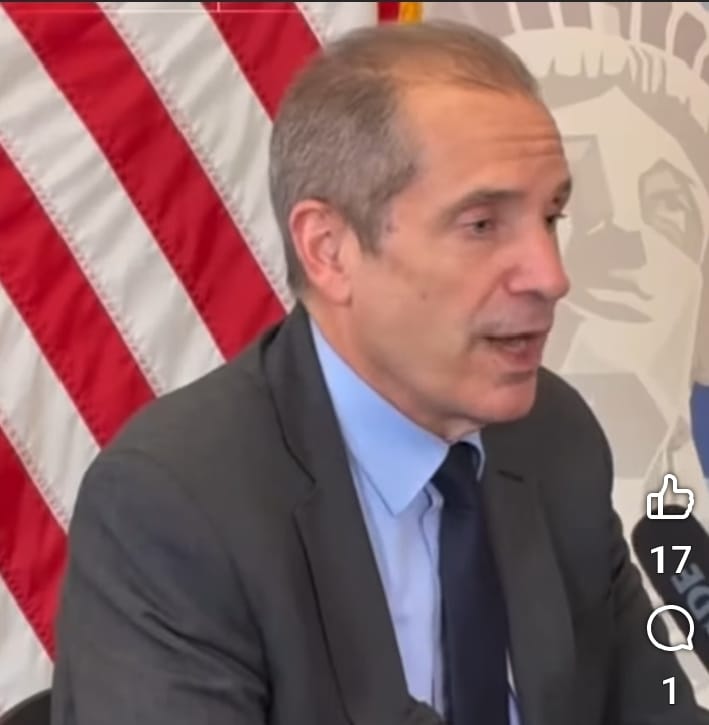
In an interview, Mark Toner, the outgoing U.S. Ambassador to Liberia, highlighted the urgent need for sustainable funding for a proposed war crimes court in Liberia. Toner raised concerns about the diminishing availability of donor funds against a backdrop of economic challenges that have complicated efforts to establish a comprehensive judicial framework to address past war crimes.
Announcing his retirement effective July 10, 2025, Ambassador Toner noted the significant costs associated with a traditional war crimes court and urged Liberia to explore more cost-effective alternatives. “We’re trying to encourage them to look at less expensive models because I don’t think the donor money is there anymore,” he stated, referencing past experiences in other countries. He pointed to the costly model in Sierra Leone while suggesting that The Gambia’s approach offers a more practical solution.
Toner underscored the importance of the U.S. role in supporting Liberia’s justice initiatives, mentioning collaborative efforts that involved bringing in experts from countries like The Gambia and Rwanda, which have dealt with war crimes. He specifically referenced contributions from U.S. legal expert Steve Rapp, recognized for his extensive experience in war crimes tribunals.
For the war crimes court to be successful, Toner emphasized the necessity of systematic funding. “They need to pay their staff, they need operational expenses, they need a budget,” he elaborated, acknowledging the difficulties faced by the Liberian government in meeting its financial obligations, which have hindered prioritization of the war crimes court project.
Despite the challenges, Toner praised the progress made by relevant authorities, particularly highlighting Barbu’s contributions to establishing the necessary framework. He also recognized the United Nations for providing technical expertise to bolster Liberia’s efforts. “They’ve got the elements in place,” he affirmed, noting the development of an action plan outlining the steps needed to advance the initiative.
However, Toner’s warning was clear: while foundational work has commenced, prioritizing and securing funding for the war crimes court is crucial. “At some point, you need to decide whether the War Crimes Court is a priority and if it is funded as such,” he reiterated, calling for strategic financial planning to support the initiative.
The conversation surrounding funding for the war crimes court continues to be a pressing concern as Liberia seeks mechanisms to address its historical injustices.


