


By: Julius Konton
Liberian President Joseph Nyuma Boakai, Sr. on Monday launched the Excellence in Learning in Liberia (EXCEL) Project, a nationwide education reform initiative expected to benefit more than 350,000 schoolchildren and strengthen the country’s fragile learning system through infrastructure development, teacher support, and systemic reforms.
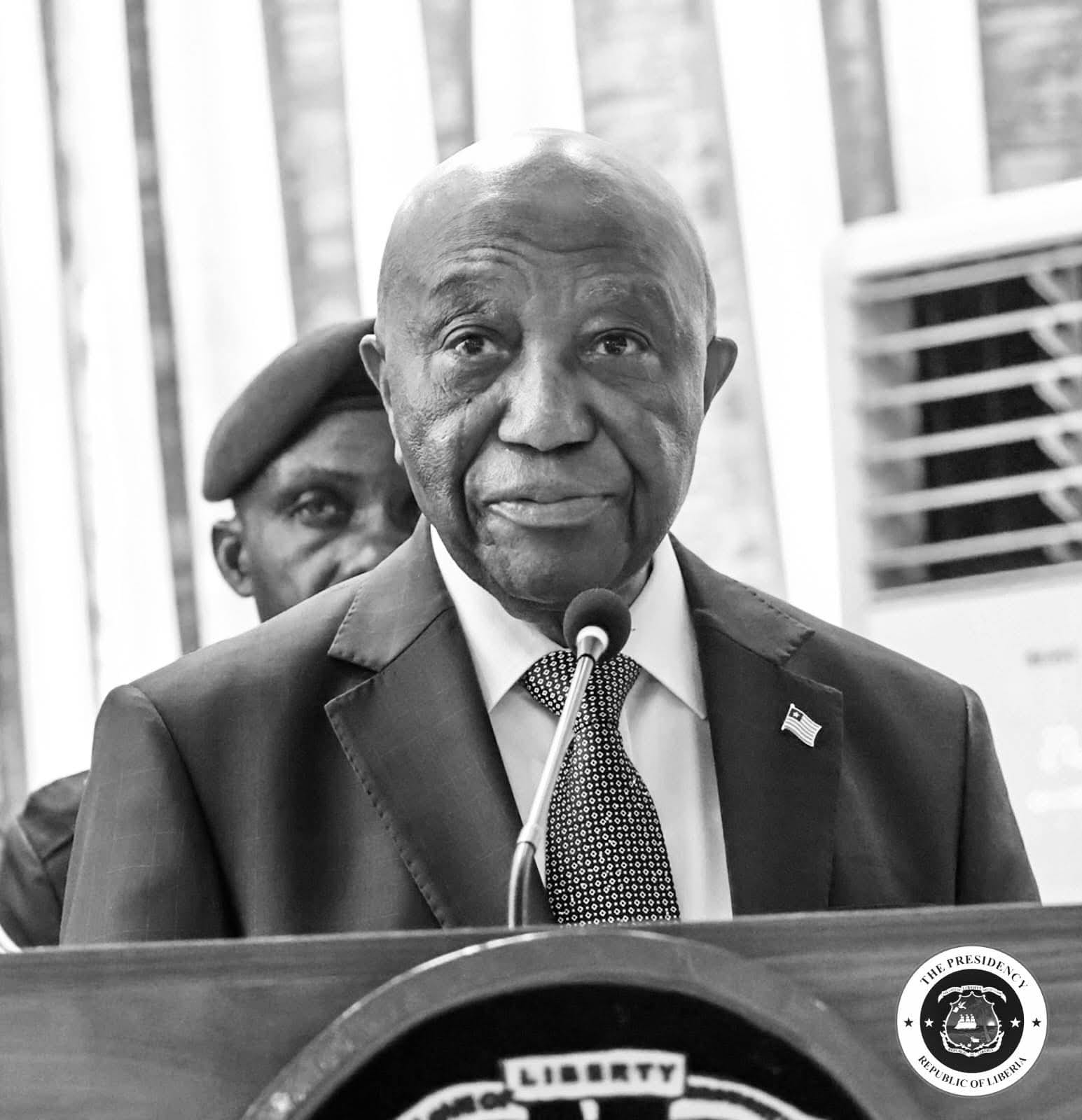
Speaking at the official launch at Monrovia City Hall, President Boakai described the initiative as a defining moment in Liberia’s long-running struggle to improve education outcomes after years of conflict, underinvestment, and institutional weakness.
“This is more than the unveiling of a program,” Boakai said. “It is a statement of who we are as a nation and what we believe about the future of our children.”
A System Under Pressure
Liberia’s education sector has faced persistent challenges.
According to government and development partner assessments, more than 40 percent of primary-school-age children struggle with basic reading and numeracy, while teacher shortages, dilapidated infrastructure, and school-based violence continue to undermine learning outcomes particularly in rural areas.
President Boakai, reflecting on the country’s education journey, noted that the sector has moved through periods described as “good, bad, messy, best,” and now aims to permanently anchor itself at “excellent.”
Four Pillars of Reform
The EXCEL Project is built around four core intervention areas designed to address both access and quality:
- Equitable Access to Education:
Construction of 100 innovative, climate-resilient primary schools, expanding learning opportunities in underserved and climate-vulnerable communities. - School Capitation Grants:
Direct financing for school renovation and rehabilitation, alongside performance-based grants to reward excellence and accountability at the school level. - School-Based Violence Prevention:
Targeted programs to make schools safer for children, especially girls, amid growing concern about abuse and exploitation in learning environments. - System Strengthening and Data Reform:
Improved education planning through timely Annual School Census exercises and National Primary Learning Assessments, ensuring evidence-based policymaking.
The initiative will also provide enhanced training and professional support to over 15,000 teachers, while equipping school leaders across all 15 counties and every political district with better tools for management and instructional leadership.
Human Capital at the Center of Development
President Boakai emphasized that EXCEL aligns with his administration’s ARREST Agenda for Inclusive Development, which prioritizes human capital development as a foundation for economic growth, social cohesion, and long-term stability.
“If we fail our children in the classroom, we risk failing the nation tomorrow,” the President said, adding that education investments deliver long-term dividends in productivity, reduced inequality, women’s empowerment, and national competitiveness.
International Partnerships and National Ownership
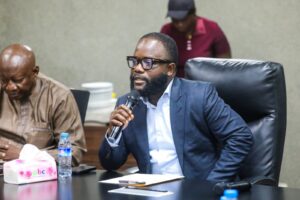
The launch brought together government officials, lawmakers, educators, parents, civil society groups, and members of the diplomatic corps.
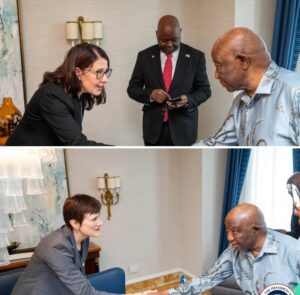
President Boakai welcomed the MAKE Group of South Korea, acknowledging the role of international partners in supporting Liberia’s education reform agenda.
However, he stressed that success would depend on national ownership, urging educators, parents, community leaders, and lawmakers to fully embrace the program.
He specifically called on the Liberian Legislature to ensure the timely ratification of project financing to avoid delays.
“This is not just financing; it is an investment in Liberia’s future,” Boakai said.
With Liberia’s population among the youngest in West Africa, analysts say the EXCEL Project could prove pivotal in determining whether the country transforms its demographic profile into a development advantage or a long-term liability.
“Let us make excellence not the exception, but the standard,” President Boakai concluded.
“Let today’s classrooms become tomorrow’s engines of prosperity.”
Editor’s Note:
The launch of the EXCEL Project marks one of the most ambitious education reform efforts in Liberia’s post-war history.
By combining infrastructure development, teacher support, child protection, and data-driven planning, the initiative reflects a strategic shift toward long-term human capital investment.
Its success will depend not only on funding, but on sustained political commitment, legislative backing, and community-level ownership across the country.


