
By: Julius Konton
The Government of Liberia has officially launched a nationwide public awareness campaign on the Value Added Tax (VAT), marking a major step toward fiscal modernization and deeper domestic resource mobilization as the country prepares for full implementation on January 1, 2027.
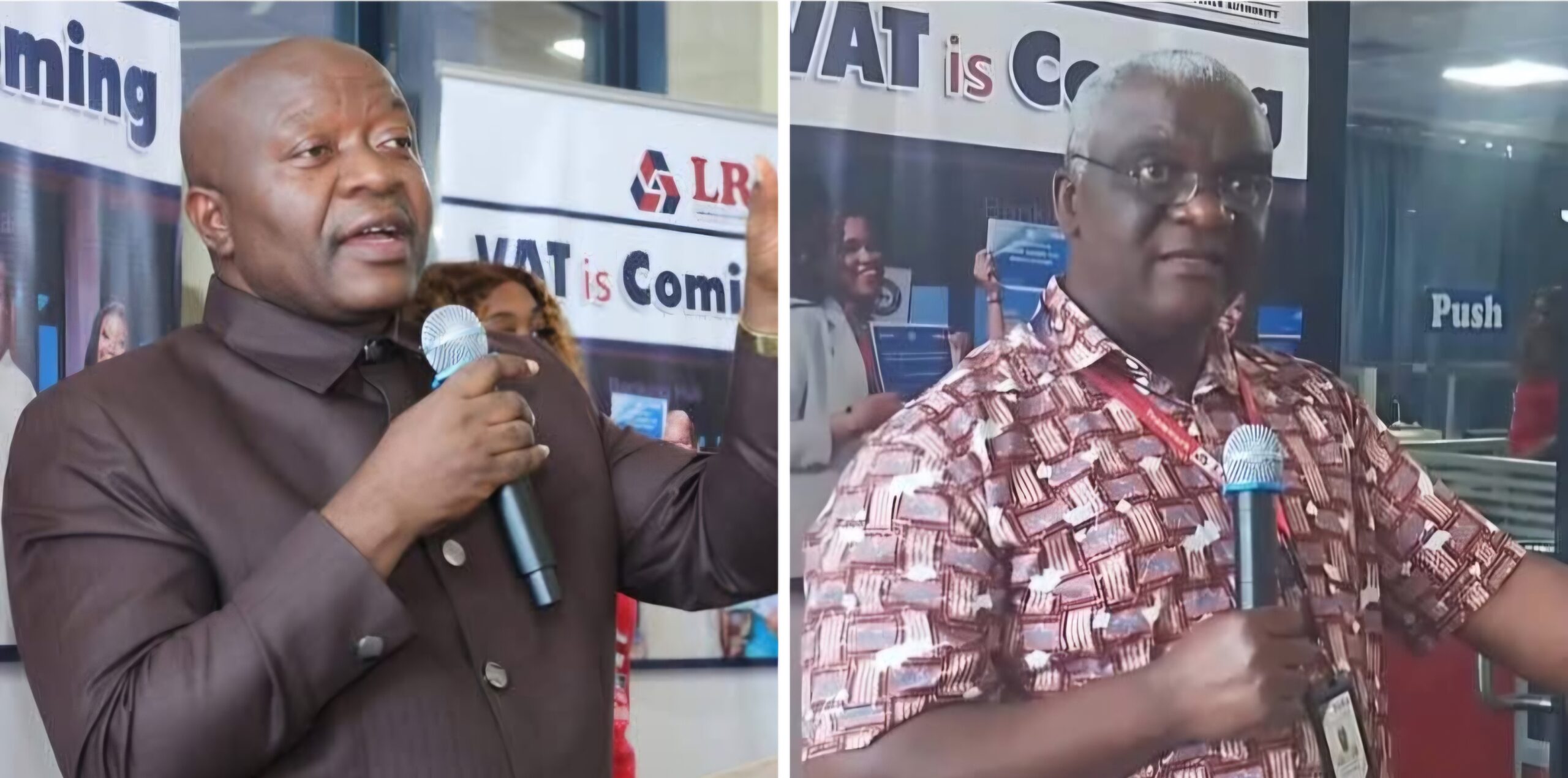
The campaign was formally unveiled by Finance and Development Planning Minister Augustine Kpehe Ngafuan, who described the initiative as a “historic turning point” in Liberia’s economic governance and development financing strategy.
“This is a great day for Liberia,” Ngafuan said at the launch ceremony. “We want to close leakages, improve collection, and ensure we have the resources required for national development.
We cannot continue to depend solely on our development partners.”
Closing the Revenue Gap
Liberia currently relies heavily on external financing to fund critical infrastructure and social services.
According to the Ministry of Finance, domestic revenue still accounts for less than 20 percent of GDP below the sub-Saharan African average of approximately 25 percent highlighting the urgency of tax reform.
Ngafuan emphasized that VAT adoption is part of a broader strategy to finance national priorities such as energy expansion, especially during the dry season when hydropower generation drops.
“Change is good, but it can be frightening,” he acknowledged. “That is why preparation, training, and understanding public concerns are essential to this transition.”
Liberia Playing Catch-Up
While VAT is widely used across Africa, including in ECOWAS member states such as Ghana, Senegal, and Côte d’Ivoire, Liberia remains one of the few countries in the region yet to adopt the system.
“What we are doing is a catch-up exercise,” Ngafuan said. “But you don’t catch up recklessly.
You catch up by preparing your people, managing fear, and learning from the mistakes of others.”
VAT, a consumption-based tax, is currently implemented in more than 170 countries worldwide, forming the backbone of revenue systems in both developed and emerging economies.
Record Revenue Growth Sets the Stage
Liberia’s push toward VAT comes amid unprecedented revenue performance by the Liberia Revenue Authority (LRA).
Ngafuan disclosed that:
2024 recorded the highest domestic revenue in Liberia’s history
2025 surpassed the 2024 record
2026 marked a historic milestone with domestic revenue exceeding US$1 billion for the first time
“These are not accidents,” he said. “They reflect reforms, discipline, and commitment. And going forward, every year must be better than the last.”
Liberia’s economy grew by an estimated 5.1 percent in 2024, with stronger performance expected in 2025 and 2026.
However, officials caution that economic growth does not automatically translate into higher government revenue without efficient tax administration.
“You can grow and still lose revenue,” Ngafuan noted. “That gap is where reform must intervene.”
AfDB-Backed Revenue Mobilization
To strengthen implementation, the government has launched an US$18 million Domestic Resource Mobilization Project, supported by the African Development Bank.
The program supports tax institutions, digital systems, and compliance reforms across government agencies, including the LRA.
“If government earns revenue but fails to collect it, that is unfair to the nation,” Ngafuan stressed.
A Defining Fiscal Moment
Also addressing the ceremony, LRA Commissioner General James Dorbor Jallah described the VAT awareness launch as “a defining moment in Liberia’s fiscal history.”
“This is not just another tax reform,” Jallah said. “It is the beginning of a new chapter anchored in transparency, fairness, and national self-reliance.”
He explained that VAT broadens the tax base, reduces cascading taxes, improves neutrality in business transactions, and strengthens accountability through invoice matching and documentation.
“VAT is not designed to punish businesses or burden citizens,” Jallah emphasized. “It is designed to create fairness, stability, and growth.”
Protecting the Vulnerable
Government officials reassured the public that VAT policy design prioritizes social equity.
Essential goods and services will be zero-rated or exempt, ensuring that vulnerable populations are shielded from price shocks.
“This reform is about expanding opportunity, not increasing hardship,” Jallah said. “VAT must serve development and development must serve the people.”
Nationwide Engagement and Capacity Building
From now until January 2027, the LRA will roll out:
Nationwide stakeholder consultations
Sector-specific workshops for businesses
Media-based public education campaigns
Training programs for SMEs and accountants
Simplified VAT guides in accessible language
“We will not implement VAT in silence,” Jallah said. “We will implement it in partnership.”
To ensure readiness, the LRA is upgrading digital systems, modernizing IT platforms, strengthening audit capacity, and investing heavily in staff training.
“Reform without capacity is risk. Policy without systems is weakness,” he added.
A Milestone in Liberia’s Fiscal History
As Liberia prepares for the VAT transition, officials framed the reform as a step toward national sovereignty and sustainable development.
“Taxes are not a penalty,” Jallah told citizens.
“They are investments in our collective future.
When compliance improves, development accelerates”, He re-emphasized.
“History will not judge whether this reform was comfortable but whether it was courageous. January 1, 2027 will stand as a milestone in Liberia’s fiscal transformation”, Jallah added.
