


By: Julius Konton
Liberia’s Minister of Finance and Development Planning, , has reaffirmed the government’s commitment to intensifying the country’s anti-drug campaign, describing the fight against narcotics as both a national security priority and a moral obligation.
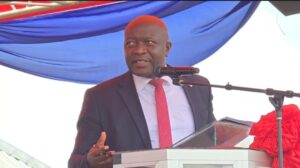
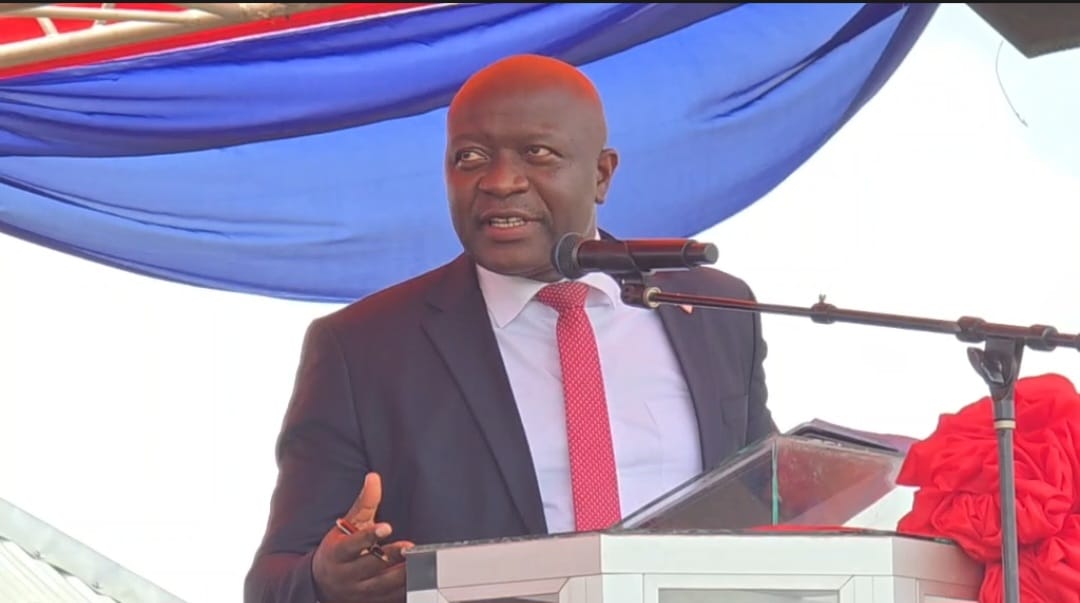
Speaking at the graduation ceremony of the Liberia National Police (LNP) Class 47 Basic Police Training Program in Paynesville Ngafuan praised officers of the LNP and the (LDEA) for what he called “frontline service in defending Liberia’s future.”
“For you who are fighting drugs, you are in God’s army,” Ngafuan declared to a packed audience of graduates, senior security officials, lawmakers, and families.
His remarks come as Liberia grapples with an escalating drug crisis, particularly among its youth.
According to government estimates, substance abuse especially involving kush, cocaine, and synthetic narcotics has become one of the country’s fastest-growing public health and security concerns.
Regional studies have shown that West Africa remains a major transit hub for cocaine trafficking into Europe, with seizures in the region increasing by more than 60% over the last decade.
Ngafuan lamented the social toll of addiction, saying Liberia’s streets are increasingly filled with “able-bodied young men walking like zombies,” a scene he described as heartbreaking for parents and communities.
“The worst death is not always physical death,” he said. “Substance abuse kills people while they are still alive.
Every day, parents are watching what feels like an advanced funeral for their children.”
The minister delivered a stern warning to drug traffickers and dealers, condemning those who profit from the destruction of young lives.
“Your profit should never come through the tears of mothers,” he said. “Those who derail the future of other people’s children will face justice both from the courts and from God.”
Liberia’s anti-drug enforcement has gained momentum in recent months.
Authorities recently confiscated cocaine valued at approximately US$19 million, one of the largest narcotics seizures in the country’s history.
Officials say the operation was made possible through close cooperation between the LNP, LDEA, and international partners, highlighting growing institutional collaboration.
Ngafuan pointed to that seizure as proof that inter-agency cooperation is yielding results.
“That big arrest tells you how strong cooperation matters,” he noted.
Beyond law enforcement, the Finance Minister acknowledged longstanding concerns over poor pay and working conditions in Liberia’s security sector, but promised continued reforms.
“We will continue improving the conditions of service for men and women in uniform,” he told the graduates. “But we can never pay you as much as drug dealers may offer to tempt you. That is why your values must be stronger than money.”
Liberia allocates a significant portion of its national budget to the security sector, but like many developing nations, faces competing demands in education, health, and infrastructure.
The country’s 2026 national budget stands at over US$1.2 billion, with security institutions pushing for increased operational funding amid rising crime and drug-related activities.
Ngafuan, who said he attended the ceremony directly from an advanced budget hearing, commended the leadership of the police training academy for what he described as visible transformation and efficient use of limited resources.
“Every institution wants more during the budget process,” he said. “But what matters is how wisely you use what you receive.”
In a broader leadership lesson to the new officers, Ngafuan emphasized humility, discipline, and professional ethics, urging them to understand both “vertical and horizontal leadership” within the force.
He encouraged those who rise quickly in rank not to look down on slower-rising colleagues, while advising others not to envy those promoted faster.
“A good follower can become a good leader,” he said. “Serve with integrity not only to those above you, but also to those below and beside you.”
Ngafuan also praised the families of the graduates for their support, describing public service as one of the toughest callings.
“Behind every successful public servant is a strong support system,” he said.
The ceremony was attended by senior justice officials, including Liberia’s Solicitor General and members of the Senate Committee on National Defense and Intelligence, chaired by Senator Momo Cyrus.
Liberia has battled waves of narcotics trafficking and youth substance abuse since the aftermath of its civil wars, with unemployment, poverty, and weak rehabilitation systems often cited as contributing factors.
Security experts warn that without sustained intervention, drug abuse could deepen crime, destabilize communities, and undermine economic productivity.
For the newly commissioned officers, however, the message was clear: the battle against drugs is no longer just about law enforcement, it is about saving Liberia’s next generation.


